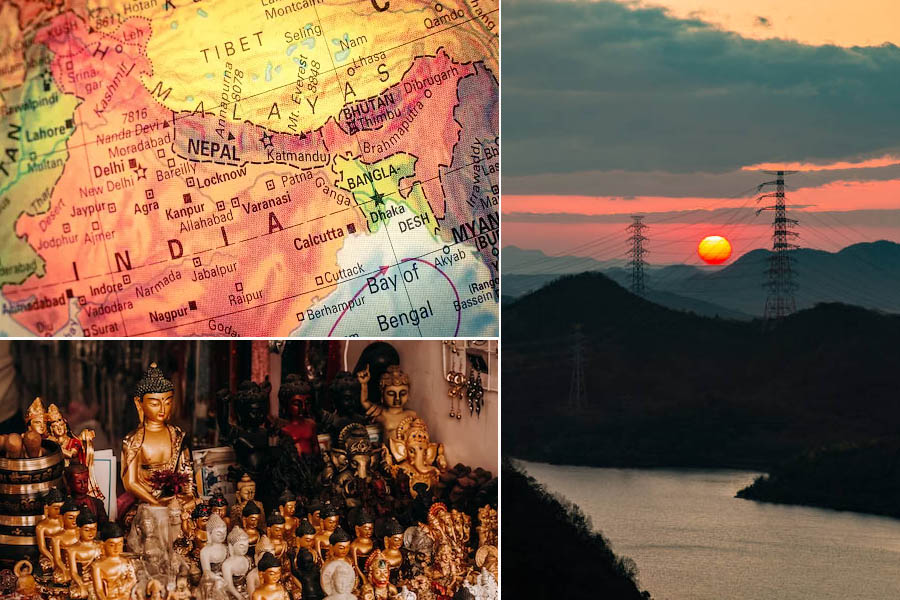
Energy Takes Center Stage: Insights into Indian Foreign Minister's Nepal Visit and the Pancheswar Project
Kathmandu, Nepal: As the new year unfolds, diplomatic relations between India and Nepal are set to take a significant step forward. Indian Foreign Minister S. Jaishankar's anticipated visit to Kathmandu on January 4, 2024 holds particular importance, with energy discussions topping the agenda. During the two-day visit, key agreements, including the final signing of the 10,000 MW long-term power purchase agreement (PPA), are expected to be addressed.
Diplomatic Visit and Joint Commission Meeting
The visit aligns with the 7th meeting of the Nepal-India Joint Commission, underscoring the commitment to strengthen bilateral ties. S. Jaishankar will be accompanied by a high-level delegation, including Foreign Secretary Vinay Mohan Kwatra and Head of Nepal Desk Anurag Srivastava, indicating the significance of the discussions to take place.
Long-term Power Purchase Agreement (PPA)
One of the pivotal discussions on the agenda is the final signing of the 10,000 MW long-term power purchase agreement. The groundwork for this agreement was laid during Prime Minister Pushpa Kamal Dahal 'Prachanda's visit to India in May, a visit hailed as a major achievement in energy trade. The long-term PPA has since gained approval from the Cabinet of India in August, setting the stage for its finalization during the upcoming visit.
Pancheswar Multipurpose Project: A Decades-Old Dream
Despite the energy-focused agenda, sources suggest that the visit may not include discussions on the Joint Detailed Study Report (DPR) of the Pancheswar Multipurpose Project. A decades-long dream for both Nepal and India, the project has faced numerous challenges, with insiders citing a lack of internal commitment as a major obstacle. The complexities surrounding water utilization, coupled with over 500 disagreements in the DPR, have hindered progress.
Historical Overview of the Pancheswar Project
Initiated in 1956, the Pancheswar Project on the Mahakali River aimed to harness hydropower for both nations. Despite forming a joint group of experts and establishing the Pancheswar Multipurpose Project Office in 1988, disagreements persisted. Attempts to finalize a joint DPR have faced hurdles, with the latest agreement to conclude it within three months still pending even after seven months.
Flood Control
Mitigates flood damage during rainy season
Irrigation
1.6M hectares (India)
93K hectares (Nepal)
Hydropower
Clean energy generation
Bilateral Benefits
Strengthened India-Nepal ties
Potential Benefits of the Pancheswar Project
If advanced, the Pancheswar Project could mitigate flood damage during the rainy season and provide controlled river flow. The reservoir project has the potential to benefit agricultural practices, providing irrigation facilities for approximately 1.6 million hectares of land in India and 93 thousand hectares in Nepal.
Looking Ahead: Energy Cooperation as a Bridge
As the Indian Foreign Minister's visit takes center stage in diplomatic discussions, the potential finalization of the long-term power purchase agreement underscores the commitment to enhancing energy cooperation. While the Pancheswar Project remains in limbo, its realization could bring about transformative changes in water management, agricultural practices, and bilateral relations between Nepal and India. The diplomatic visit holds promise for the future, showcasing the shared commitment to advancing energy and infrastructure initiatives.
Global Post Headline — Independent diplomatic and energy analysis from South Asia. globalpostheadline.com