China Overland Expedition 2026: Nepal → Tibet → Beijing → Shanghai by High-Speed Train
Updated March 2026 | Ultimate China Rail GuideFrom the ancient Silk Road to 350km/h bullet trains — Nepal remains the historic gateway for Indians, Europeans, and Americans traveling to Tibet and beyond. This is the complete guide to China's luxury railway network.
Why Travel by Train Through Tibet & China?
The Qinghai-Tibet Railway is an engineering marvel—the highest railway on Earth. China's high-speed network (44,000+ km) is the largest and most advanced globally. Experience landscapes impossible by air: Tibetan Plateau, Gobi Desert, Yangtze River valleys, and ancient Silk Road cities. Book your seat on this once-in-a-lifetime journey!
Book Your China Rail Expedition →🇳🇵 Nepal: The Ancient Silk Road Gateway to Tibet & China
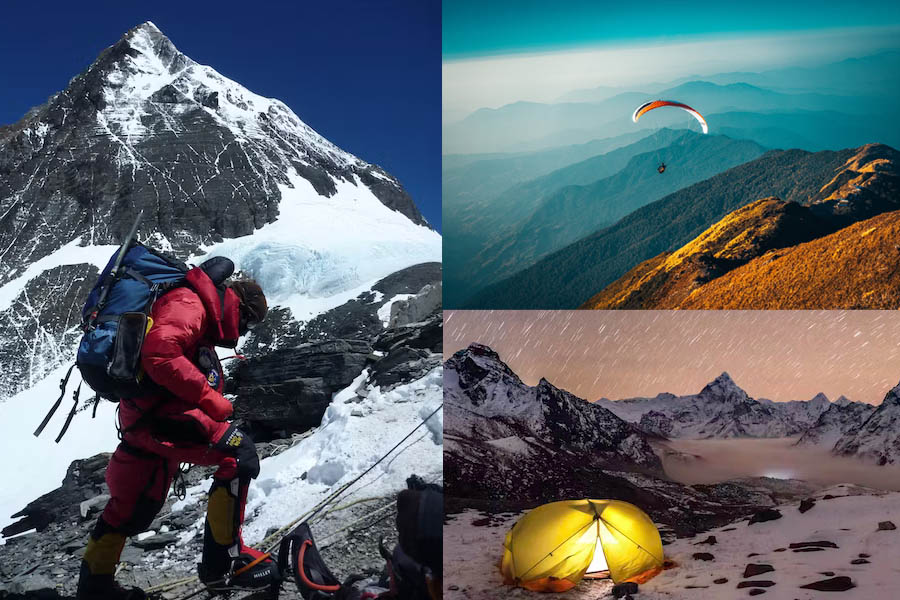
For centuries, Nepal has been the crossroads for Indian, European, and American travelers journeying to Lhasa, Beijing, and beyond. The ancient Silk Road connected Kathmandu to Lhasa, and today, modern travelers follow the same historic route. Nepal remains a hotspot for adventure — offering direct overland access to Tibet via the Kodari (Gyirong) border. From here, the world's highest railway and China's luxury high-speed network open up the entire Middle Kingdom. Whether you're an American exploring the Great Wall, a European business traveler heading to Shanghai, or an Indian pilgrim visiting Mount Kailash, Nepal is your ideal launchpad.
🚄 China's Modern Luxury High-Speed Trains: An Experience Unlike Anywhere Else
China's high-speed rail (HSR) network spans over 44,000 km — larger than the rest of the world combined. The Fuxing (Rejuvenation) bullet trains reach speeds of 350 km/h (217 mph), offering business class suites, silent carriages, dining cars, and panoramic windows. Luxury features include lie-flat seats, personal entertainment systems, power outlets, and complimentary meals. This level of comfort and punctuality does not exist anywhere else on Earth. Business travelers from London, Frankfurt, and New York now prefer China's HSR over flying for Beijing-Shanghai routes (4.5 hours, city-center to city-center).
📌 Key High-Speed Routes (2026): Beijing-Shanghai (4.5h, ¥553 2nd class), Shanghai-Chengdu (11h, ¥850), Chengdu-Xi'an (3.5h, ¥263), Beijing-Guangzhou (8h, ¥862). All trains offer three classes: Second class (3+2 seats), First class (2+2 seats, more legroom), Business class (2+1 lie-flat seats).
📝 Step-by-Step Guide: Booking High-Speed Trains in China (For Tourists)
1 Create a 12306 Account (China Railway Official Platform): Download "Railway 12306" app (English version available). Verify with passport number. Foreigners can register without Chinese ID — use "Passport" as document type.
2 Search Your Route: Enter departure (e.g., "Beijing") and arrival (e.g., "Shanghai"). Select date (tickets release 15 days in advance at 8 AM local time).
3 Choose Train & Class: G-trains (高) = fastest (350km/h). D-trains (动) = slower, cheaper. Book Business class for luxury, First class for comfort, Second class for budget.
4 Passenger Details: Enter full name as in passport, passport number, nationality. For Tibet trains (Z21, Z165), you must also upload Tibet Travel Permit (arranged via travel agency).
5 Payment: Accepts Visa, Mastercard, Alipay, WeChat Pay. International cards work on official 12306 app (not on third-party sites).
6 Ticket Collection: After payment, you'll receive SMS with order number. Collect physical tickets at any railway station using your passport and order number (or use e-ticket on 12306 app if registered).
🎫 Pro Tip: Use Trip.com (Ctrip) as alternative — 10% fee but English-friendly interface and international card support. Sherpa Trekking Company also arranges train tickets as part of China tour packages.
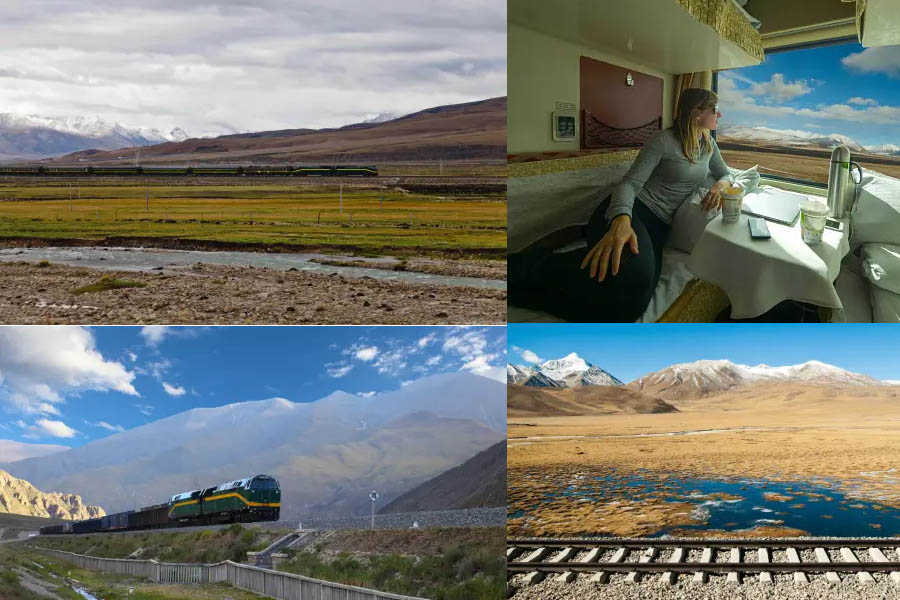
🏔️ Tibet's Qinghai-Tibet Railway: The World's Highest Train Journey
No trip is complete without the legendary Z21 (Beijing-Lhasa) or Z165 (Shanghai-Lhasa). Key features:
- Oxygen supply: Pressurized carriages with individual oxygen outlets
- Scenic stops: Tanggula Pass (5,072m), Cuona Lake (world's highest saltwater lake), Golmud
- Accommodation: Soft sleeper (4 berths) recommended for foreigners. ¥1,580-1,790 one-way.
- Travel time: Beijing to Lhasa (40 hours), Shanghai to Lhasa (47 hours)
Plan Your Complete China Overland Adventure
From the Himalayas to the Great Wall. Let Sherpa Trekking Company handle all permits, train tickets, hotels, and guided tours. Custom itineraries for Americans, Europeans, Indians, and all nationalities.
Request a Custom Quote →🗺️ Suggested 14-Day China Overland Itinerary
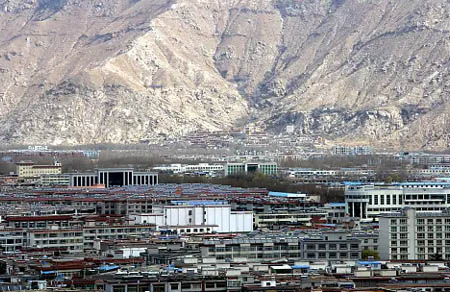
- Days 1-4: Kathmandu → Gyirong → Lhasa (overland) – acclimatization, Potala Palace, Jokhang Temple, Barkhor Street
- Day 5: Lhasa city tour – Sera Monastery, Drepung Monastery, Tibetan dinner show
- Day 6: Train Z22 Lhasa to Beijing (40 hours) – overnight on the roof of the world
- Days 7-8: Arrive Beijing – Forbidden City, Great Wall (Mutianyu), Summer Palace, Temple of Heaven, Peking duck dinner
- Day 9: High-speed train Beijing → Shanghai (4.5 hours) – The Bund, Huangpu River cruise
- Days 10-11: Shanghai – Nanjing Road, Yu Garden, Shanghai Tower (632m observation), French Concession, acrobatics show
- Day 12: High-speed train Shanghai → Guilin (9 hours) – Li River cruise, Yangshuo countryside
- Days 13-14: Guilin departure or continue to Hong Kong via high-speed train (3 hours)
Related Himalaya Expeditions