Tesla's Expanding Supercharger Network Set to Revolutionize Electric Mobility for Business
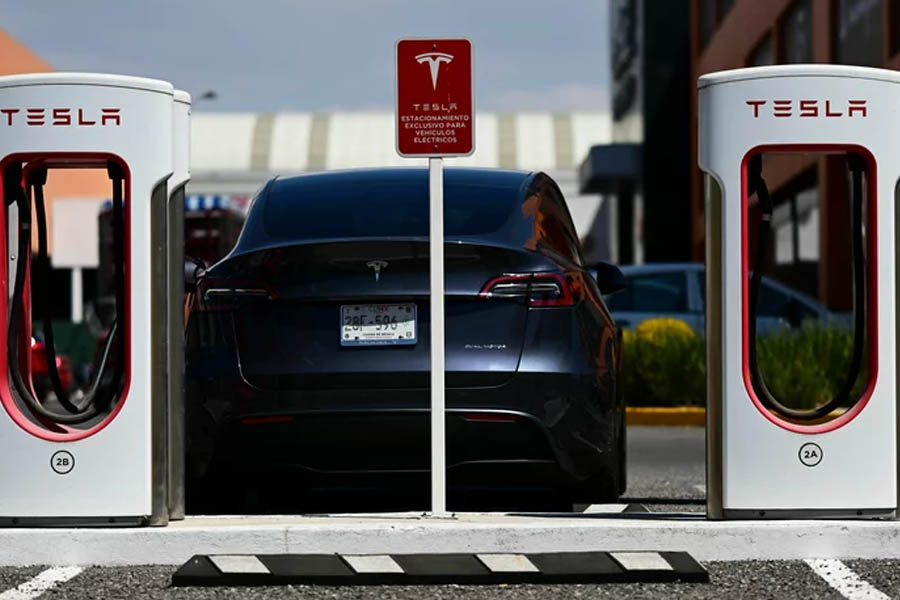
In an unprecedented development for electric mobility, Tesla's expansive Supercharger network is on the verge of becoming easily accessible to a wider audience, including business users. The involvement of major automakers such as Ford, GM, Volvo, Mercedes-Benz, Nissan, Polestar, and Rivian in adopting Tesla's charging infrastructure (NACS - North American Charging Standard) promises to bring about a transformative shift in the electric vehicle (EV) landscape. With Tesla's recent remarkable sales performance, impressive profits, and aggressive expansion, the path to EV ownership is becoming increasingly attractive for business people worldwide.
Tesla's Supercharger Network Expansion: The Biden Administration Deal
In a strategic move, Tesla secured a groundbreaking deal with the Biden administration to open up a portion of its Supercharger network. As a result, plans are in place to make at least 3,500 new or existing Superchargers publicly accessible along major highways across the United States. This visionary expansion marks a significant milestone in bolstering electric mobility and effectively addresses one of the most critical challenges to EV ownership — the availability of robust charging infrastructure. The $7.5 billion federal investment in EV charging under the Bipartisan Infrastructure Law has catalyzed this public-private partnership.
Tesla's Continued Success and Market Influence
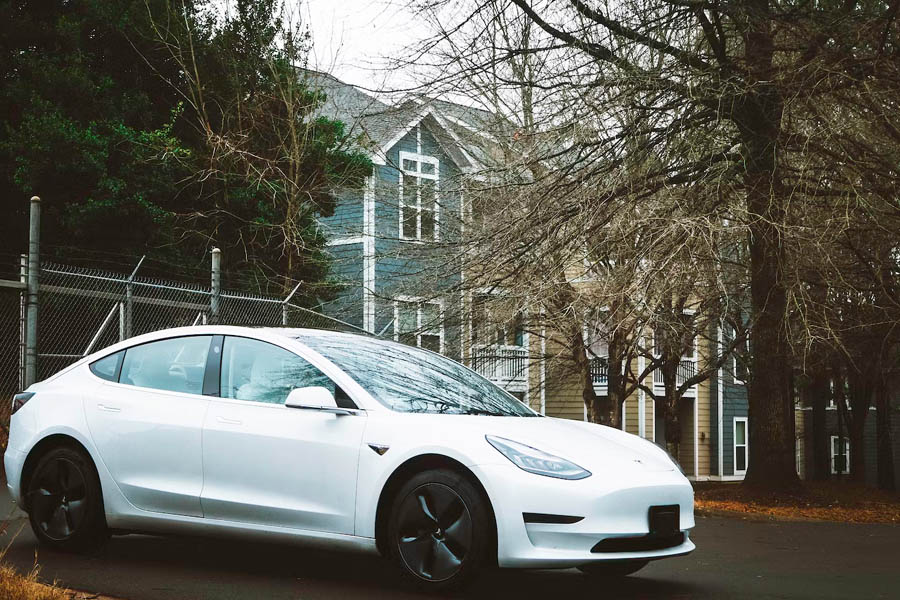
The Tesla Model Y's remarkable achievement as the best-selling automobile globally in Q1 2023 has solidified Tesla's position as a leading force in the EV market. To sustain its competitive edge, Tesla's CEO, Elon Musk, has expressed a willingness to continue adjusting pricing strategies despite facing intense competition and navigating a complex economic landscape. The Supercharger network — with over 50,000 global connectors — remains one of Tesla's most valuable competitive advantages, offering reliability, speed (up to 250kW), and seamless integration with Tesla vehicles.
Impact on Prices and Market Competition
Tesla's strategic price cuts in major markets, including the US, UK, and China, have yielded increased sales but have also impacted the company's profit margins. While some investors and analysts express concerns about the potential for a price war without a clear long-term margin-boosting strategy, the price cuts have contributed significantly to Tesla's impressive growth, particularly in China, where local electric car manufacturers like BYD and Nio pose strong competition. However, the opening of the Supercharger network to competitors is also expected to generate new revenue streams for Tesla, potentially offsetting margin pressures.
Global Adoption of Tesla Charging Technology
In a significant and promising development, major car manufacturers such as Nissan, Ford, General Motors, Volvo, Mercedes-Benz, Polestar, and Rivian have embraced Tesla's EV charging technology — the North American Charging Standard (NACS). This collaborative effort is expected to enhance the accessibility of charging infrastructure and foster electric mobility on a global scale, providing businesses with more reliable options for sustainable transportation. By 2025, most major automakers will equip new EVs with NACS ports, effectively making Tesla's connector the de facto standard in North America.
A Brighter Future for Electric Mobility in Business
With Tesla's Supercharger network poised to become more widely available and other automakers embracing its charging technology, the longstanding obstacle to EV ownership — charging infrastructure — is on the brink of becoming history. Tesla's unwavering success, coupled with the adoption of electric vehicles by major car manufacturers, heralds a brighter future for electric mobility in the business world. As environmentally conscious consumers increasingly seek sustainable transportation options, businesses have a golden opportunity to embrace electric mobility, play a pivotal role in driving positive change, and contribute to a greener and more sustainable future. The transition to electric fleets for corporate logistics, employee commuting, and customer services is now more viable than ever before.

Global Post Headline — independent EV and business coverage. globalpostheadline.com