
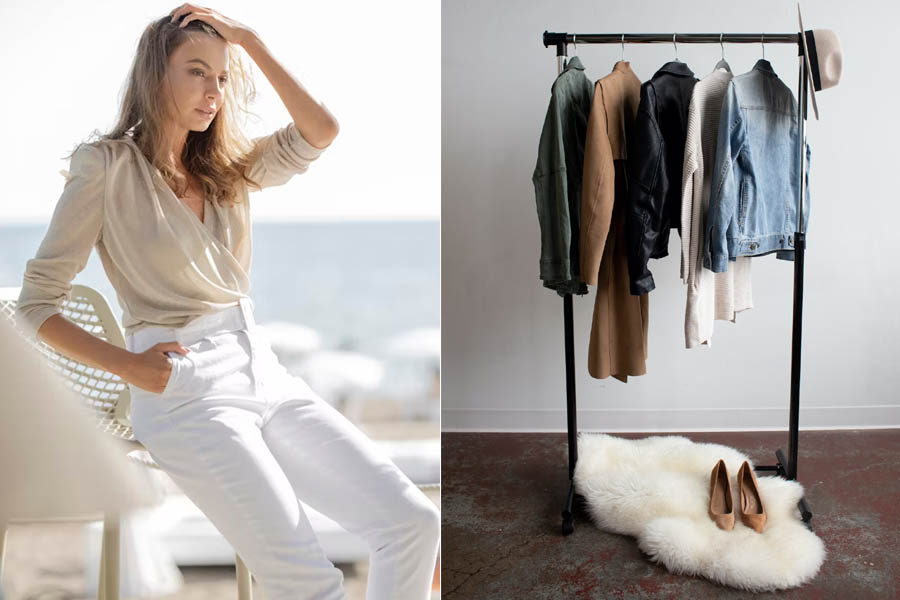
🎯 Hippie Clothing Guide 2026
Himalayan Boho Revolution in Sustainable Fashion - complete guide to authentic hippie clothing.
Read More →
Fashion has always been a mirror of society. It reflects how we live, what we value, and how we choose to express ourselves. But in the age of climate anxiety, digital commerce, and shifting consumer priorities, fashion is experiencing one of its biggest identity shifts in decades.
For years, the industry was fueled by speed—new drops, seasonal trends, influencer cycles, and impulse buying. Fast fashion taught consumers to chase "newness" at all costs.
Now, something remarkable is happening.
Fashion is slowing down.
Not in creativity. Not in demand.
But in ownership.
The rise of second-hand clothing has transformed fashion from a one-way consumption model into a circular economy—where garments live multiple lives, styles are rediscovered, and value extends far beyond the first purchase.
What was once called "used clothing" has evolved into one of the most powerful movements in modern fashion.
Welcome to the resale revolution.
Clothing occupies a strange place in the economy.
Unlike food, it is not consumed instantly.
Unlike property, it rarely appreciates for decades.
Fashion lives in between.
It is personal, emotional, functional, and cultural.
A jacket can hold memories.
A dress can define an era.
A vintage coat can carry history.
And yet modern consumer culture normalized something unnatural: buy, wear, discard, repeat.
The result? Mountains of clothing waste. Landfills filled with fabrics. Water systems polluted by textile production. Fashion became one of the world's most waste-intensive industries.
But the market is correcting itself.
Circular fashion is changing how clothing moves through society.
Instead of ending its life after one owner, a garment now travels.
From seller to buyer. From closet to marketplace. From trend to timeless piece.
This shift has created a powerful new mindset: ownership is temporary, style is renewable.
Consumers are beginning to see fashion less as possession and more as participation.
The question is no longer: "What's new?"
It's becoming: "What's worth keeping?" And what's worth passing on?
There was a time when second-hand fashion was associated mainly with thrift stores, limited budgets, or necessity.
That perception has changed dramatically.
Today, vintage denim, archival jackets, designer resale, and thrifted accessories carry cultural value. In many fashion circles, second-hand has become smarter than buying new.
Fast fashion creates sameness. Resale creates individuality. In a world of algorithm-driven trends, uniqueness is becoming luxury.
Second-hand fashion existed long before the internet. Technology made it scalable.
Technology solved old resale problems: trust, authentication, payment, shipping, and discoverability.
Today, with just a smartphone, anyone can photograph clothes, list them, sell them, ship them, and earn money.
Fashion resale is no longer local. It is global. Your jacket can find its next owner across the world.
One of the most fascinating developments in resale is luxury fashion.
Luxury once depended heavily on exclusivity and first ownership. Now, pre-owned luxury is booming.
A second-hand Gucci bag or vintage Chanel jacket carries more than material value. It carries history.
Fashion has entered investment thinking. Some items are no longer purchases. They are assets.
Modern consumers are changing. Especially younger generations.
Gen Z and millennials value: sustainability, transparency, storytelling, and individuality.
For them, resale is not compromise. It is strategy.
Buying second-hand feels intelligent. Selling unused clothing feels responsible.
Fashion is becoming fluid. Wardrobes are becoming dynamic ecosystems. People rotate clothing in and out instead of accumulating endlessly.
Traditional fashion brands have noticed.
Major retailers now offer buy-back systems, repair programs, and second-hand sections. Brands like Madewell, Patagonia, and REI have introduced resale partnerships.
Luxury brands are exploring certified pre-owned programs.
Retailers understand something crucial: if consumers want circular fashion, brands must participate. Ignoring resale now means losing relevance.
Thrift culture is no longer niche. It has become fashion culture.
Social media accelerated this movement. On TikTok and Instagram, "thrift hauls" attract millions of views.
Thrifting has become part treasure hunt, part fashion statement. It creates emotional connection. Finding something rare feels different from clicking "buy now." It feels earned.
Fashion sustainability is no longer a marketing phrase. It is an urgent necessity.
Extending the life of clothing reduces demand for new production. Every resold garment delays waste. Every reused item lowers pressure on resources.
Resale is not the full solution. But it is one of the fastest practical shifts consumers can make.
Fashion ownership itself is evolving.
Fashion is moving from static ownership to active circulation.
The closet of the future may look less like storage and more like inventory.
Wear. Resell. Trade. Rent. Repeat.
This changes everything.
Yes. Most resale platforms have cleaning standards, and you can always wash items before wearing. Many second-hand items are in excellent condition.
It depends on what you're selling. Depop is great for vintage and streetwear, Poshmark for mainstream brands, The RealReal for luxury, and thredUP for convenience.
Yes. Extending a garment's life by just nine months reduces its carbon, water, and waste footprint by 20-30%.
Not necessarily. Thrift stores offer items for under $10, while premium vintage might cost more. On average, second-hand is significantly cheaper than buying new.
Consignment stores sell items for you and take a commission. Resale platforms let you list and sell directly to buyers.
Second-hand fashion is not simply a trend.
It is a cultural correction.
It challenges waste.
It rewards quality.
It redefines value.
And perhaps most importantly—it reminds us that fashion's best pieces were never meant for one moment.
They were meant to last.
To travel.
To evolve.
Just like style itself.
The resale revolution is teaching the fashion world a powerful lesson: the future of fashion may not be brand new. It may already be hanging in someone's closet, waiting for its next story.
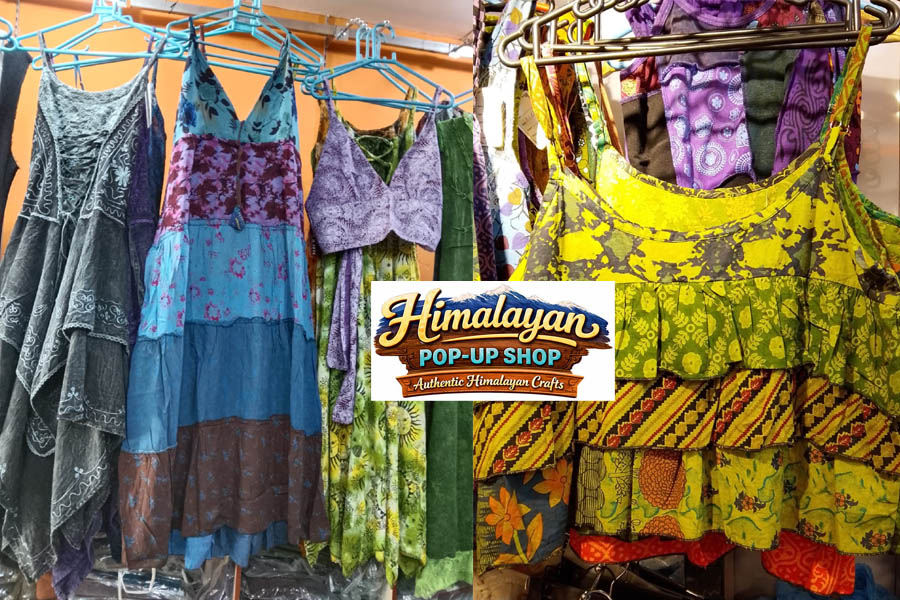
Himalayan Boho Revolution in Sustainable Fashion - complete guide to authentic hippie clothing.
Read More →
How to build an ethical wardrobe that looks good and does good for the planet.
Read More →
How to find treasures in thrift stores and build a unique second-hand wardrobe.
Read More →