
🎯 Hippie Clothing Guide 2026
Himalayan Boho Revolution in Sustainable Fashion - complete guide to authentic hippie clothing.
Read More →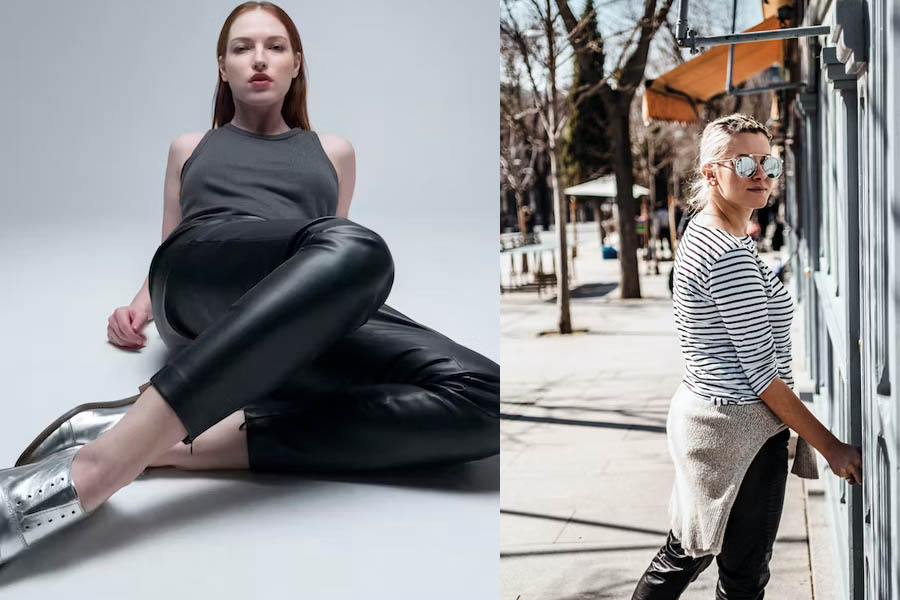
Fashion has never been just about clothing. It is identity, culture, rebellion, aspiration, and innovation stitched into fabric. In today's hyper-connected world, fashion moves faster than ever—shaped by social media, artificial intelligence, sustainability movements, street culture, and global runway influence.
From high school students sketching their first designs in notebooks to college graduates entering elite fashion institutes, the journey into fashion has evolved into something far bigger than traditional tailoring or runway glamour. It is now a digital-first, globally connected creative ecosystem.
The fashion industry in 2026 stands at an exciting intersection where craftsmanship meets technology, tradition meets sustainability, and personal style becomes a language of self-expression.
For many aspiring designers, stylists, and creative thinkers, the first introduction to fashion begins in classrooms.
Today's fashion education is no longer limited to sewing patterns and sketchbooks. High schools increasingly offer fashion design electives, creative textile programs, and digital fashion workshops, giving students an early platform to explore their talent.
Students can now access fashion learning in multiple ways: local fashion classes, online fashion academies, virtual workshops, certificate programs, and international design schools.
Prestigious institutions like Parsons School of Design, Central Saint Martins, and New York University continue shaping the next generation of designers, while digital education platforms have made fashion learning more accessible than ever.
Fashion education today is not just about making clothes—it is about building ideas, understanding markets, and designing the future.
Fashion tells the story of civilization.
Historical fashion continues to influence modern collections. Designers often revisit Victorian corsetry, Renaissance embroidery, 1920s flapper aesthetics, 1970s bohemian freedom, 1990s minimalism, and Y2K revival fashion.
Even cinematic history shapes modern style. Films like Titanic revived global fascination with Edwardian elegance, proving that fashion nostalgia remains powerful.
Fashion is cyclical. The past never disappears—it reinvents itself.
For those serious about building a career in fashion, specialized fashion institutes remain crucial stepping stones.
These institutions provide immersive learning environments where creativity is sharpened through technical precision and industry exposure.
Beyond classrooms, students gain access to fashion shows, internships, industry mentors, and networking opportunities.
In today's industry, talent matters—but access and exposure matter too. Fashion schools are no longer simply educational spaces. They are launchpads.
Fashion breathes in cities.
While luxury runways in Paris, Milan, London, and New York City influence the industry globally, street style remains one of the strongest drivers of real-world fashion trends.
Today's city fashion is influenced by youth culture, music scenes, digital creators, sneaker communities, vintage markets, and sustainability movements.
What trends in Tokyo may differ from trends in Los Angeles or Kathmandu, but fashion's beauty lies in its adaptability. Local identity shapes global aesthetics.
Streetwear, oversized silhouettes, vintage layering, gender-fluid styling, and quiet luxury continue dominating urban fashion spaces.
Fashion in 2026 is bold, conscious, and versatile.
Consumers now care deeply about ethical sourcing, recycled fabrics, and transparent manufacturing. Sustainability is no longer optional—it is expected.
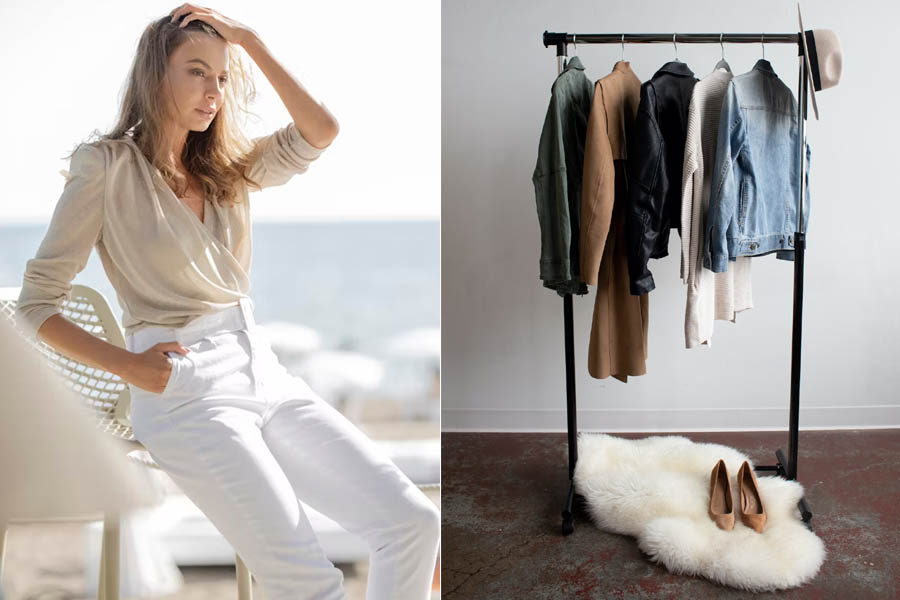
Minimalist elegance continues dominating wardrobes, focusing on quality fabrics, clean tailoring, and timeless silhouettes.
Virtual clothing, digital wardrobes, and fashion NFTs continue expanding into online identity spaces.
Fashion is becoming more fluid, inclusive, and expressive beyond traditional categories.
Technology has transformed fashion from sketchbook to screen.
Companies like Adobe and CLO Virtual Fashion have changed how designers conceptualize and prototype clothing.
Artificial intelligence now helps predict trends, personalize shopping experiences, and reduce waste in production.
Technology is not replacing creativity—it is accelerating it.
Fashion no longer waits for magazine covers.
Platforms like Instagram, TikTok, and Pinterest have democratized fashion influence.
A teenager styling thrifted jeans can inspire millions overnight. Fashion influencers, content creators, and micro-trend communities now shape global style faster than traditional fashion houses.
Social media has become the runway of everyday life.
Fashion's future is about more than aesthetics.
It is about sustainability, inclusivity, innovation, identity, technology, and conscious consumption.
The next generation of designers will not simply create clothes—they will redefine how society dresses, consumes, and expresses itself.
From classrooms to catwalks, from sketches to smart fabrics, fashion remains one of humanity's most powerful forms of storytelling.
Fashion evolves. Identity evolves. But the allure of fashion never fades.
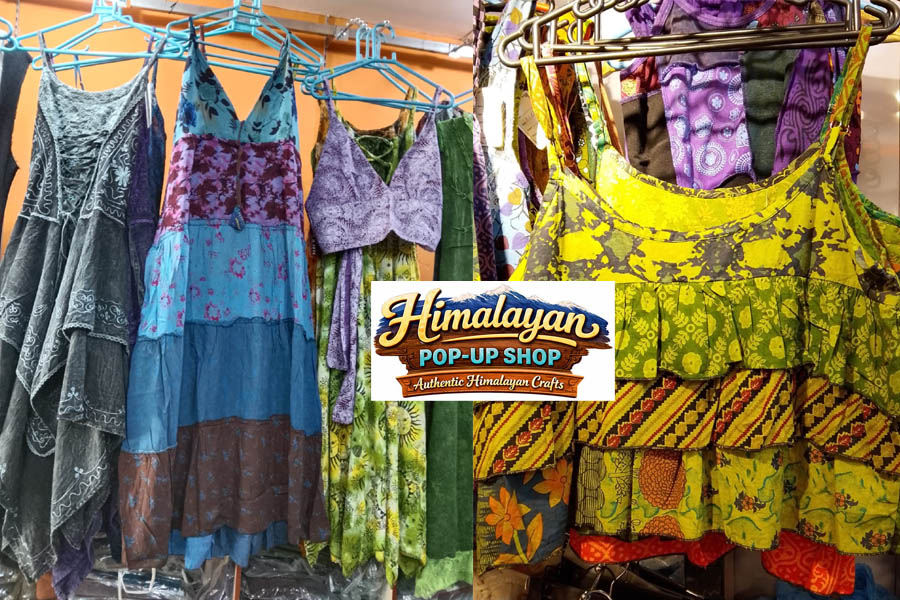
Himalayan Boho Revolution in Sustainable Fashion - complete guide to authentic hippie clothing.
Read More →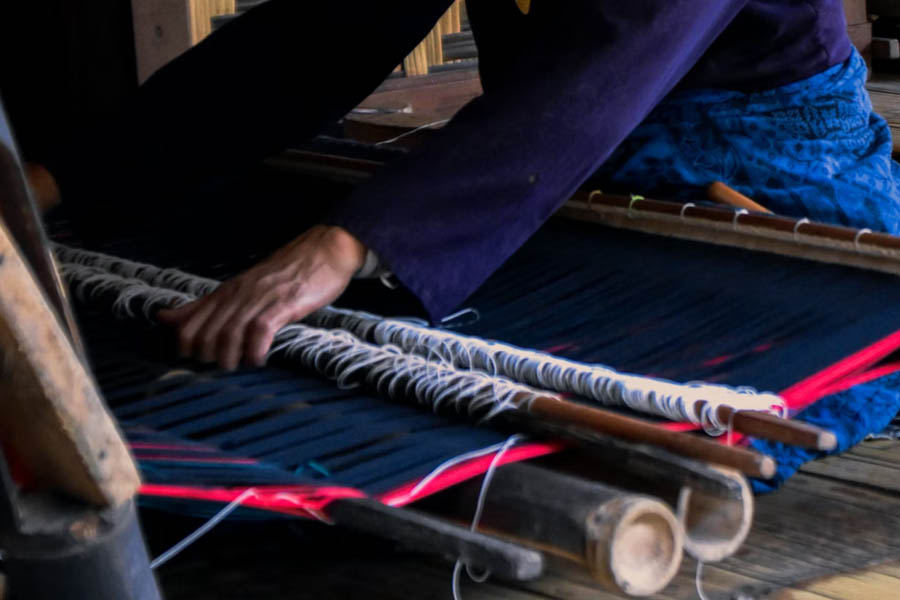
A fabric older than luxury fashion — the untold story of Himalayan cashmere.
Read More →
Investigative report on fake vs real Himalayan handicrafts and what buyers need to know.
Read More →