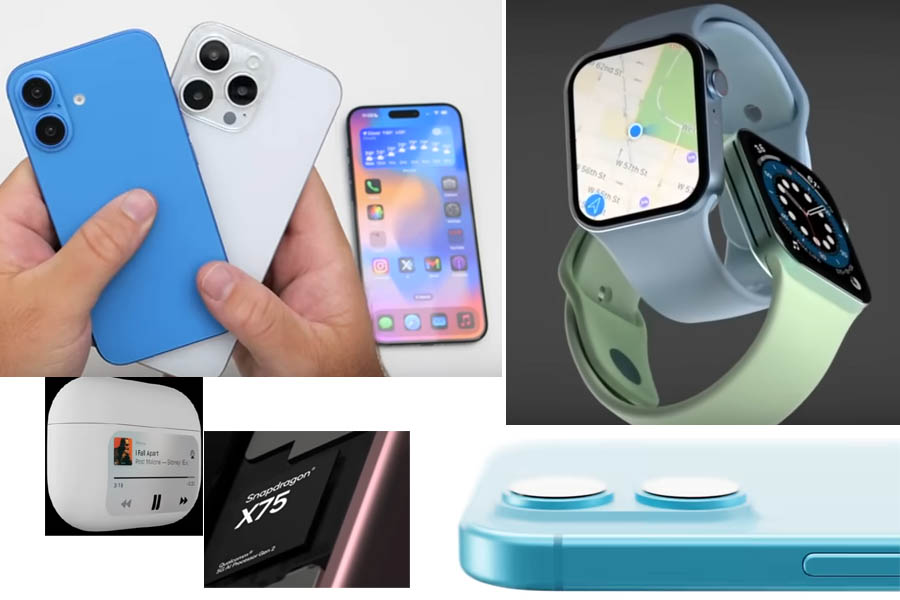
iPhone 16 & Apple Intelligence: Complete Guide to Apple's AI-Powered Future
Apple Inc. has revolutionized the tech world yet again with the launch of the iPhone 16 and its groundbreaking AI-powered feature suite, Apple Intelligence. Unveiled at the "It's Glowtime" event, the new product lineup highlights Apple's commitment to innovation, user-centric design, and a privacy-first approach to artificial intelligence. This complete guide covers everything you need to know about iPhone 16 models, Apple Intelligence features, release dates, pricing, and how Apple's AI strategy compares to competitors.
Apple Intelligence
AI integrated into iOS 18
Privacy First
On-device processing
Enhanced Siri
ChatGPT integration
📱 iPhone 16 Lineup: Models & Pricing
Apple unveiled four iPhone 16 models at the September 2024 "Glowtime" event. Here's the complete lineup:
| Model | Display Size | Starting Price | Key Feature |
|---|---|---|---|
| iPhone 16 | 6.1-inch | $799 | A18 chip, Action Button |
| iPhone 16 Plus | 6.7-inch | $899 | Larger display, longer battery |
| iPhone 16 Pro | 6.3-inch | $999 | A18 Pro, 5x optical zoom |
| iPhone 16 Pro Max | 6.9-inch | $1,199 | Largest display, best battery |
📅 Release Timeline
- Pre-orders begin: September 13, 2024
- In-store availability: September 20, 2024
- iOS 18 with Apple Intelligence: September 16, 2024
- Apple Intelligence features rollout: Throughout 2025 (ongoing updates)
🧠 Apple Intelligence: The Future of AI on iPhone
For years, Apple has been known for its cautious approach to adopting new technologies, preferring to refine and perfect before launching. With Apple Intelligence, the tech giant embraces AI in ways that transform user interaction. What distinguishes Apple Intelligence from competitors is its deep integration into everyday apps like Messages, Mail, Photos, and Siri.
Key Apple Intelligence Features
- Writing Tools: AI-powered proofreading, rewriting, and summarization across all apps
- Image Playground: Generate custom emoji and animated images from text descriptions
- Genmoji: Create unique emoji on demand
- Clean Up in Photos: Remove unwanted objects from photos with AI
- Memoji Updates: New expressions and customization options
- Phone Call Transcription: Record, transcribe, and summarize calls (with consent)
- Email Summarization: Get quick summaries of long email threads
- Priority Notifications: AI sorts important notifications to the top
🔒 Privacy: Apple's Secret Weapon
Unlike rival companies that rely on cloud-based data mining, Apple's AI performs many tasks directly on the device using the A18 chip's Neural Engine. For requests requiring more processing power, Apple uses Private Cloud Compute — a system that processes data without storing or sharing it with Apple. This privacy-first approach sets Apple Intelligence apart from Google Gemini and Samsung Galaxy AI.
💬 Siri's Transformation with ChatGPT Integration
Siri receives its biggest update ever with Apple Intelligence. The assistant now understands natural language better, maintains context across conversations, and can take action within apps. Plus, when Siri can't answer a question, it can now tap into ChatGPT (with your permission).
- Natural Language Understanding: Siri understands even when you stumble over words
- Context Awareness: References from previous questions carry over
- On-Screen Awareness: Siri can understand and act on information displayed on your screen
- In-App Actions: Perform complex tasks across multiple apps with voice commands
- ChatGPT Integration: Optional access to ChatGPT for complex queries (no account needed)
🔋 Hardware Upgrades Powering Apple Intelligence
The iPhone 16's A18 and A18 Pro chips are specifically designed to handle AI workloads efficiently:
| Specification | A18 (iPhone 16) | A18 Pro (iPhone 16 Pro) |
|---|---|---|
| CPU Cores | 6-core (2 performance, 4 efficiency) | 6-core (2 performance, 4 efficiency) |
| GPU Cores | 5-core | 6-core |
| Neural Engine | 16-core, 35 TOPS | 16-core, 38 TOPS |
| RAM | 8GB | 8GB |
| Battery Life | 22 hours video playback | 27 hours video playback |
📊 Apple vs. Competitors: AI Strategy Comparison
Apple's approach to AI differs significantly from its rivals:
| Company | AI Approach | Privacy | Integration |
|---|---|---|---|
| Apple | On-device + Private Cloud | Highest | System-wide |
| Google (Gemini) | Cloud-first | Lower | App-focused |
| Samsung (Galaxy AI) | Hybrid (on-device + cloud) | Medium | Selected apps |
| Microsoft (Copilot) | Cloud-first | Lower | Windows + Office |
📈 Business Impact & Market Outlook
Apple's decision to prioritize Apple Intelligence comes at a critical time. The company faces a global smartphone market slowdown and stiff competition from Huawei, Samsung, and Chinese manufacturers. Yet analysts predict a near 5% increase in iPhone revenue for 2025, largely driven by consumers upgrading to experience Apple Intelligence.
Apple's strategic partnerships with OpenAI accelerate its AI capabilities without compromising profitability. Unlike competitors who have invested billions in AI research without clear ROI, Apple leverages existing AI ecosystems and integrates them into its platform, minimizing risk while delivering cutting-edge features.
🎯 The Verdict: Is Apple Intelligence a Game-Changer?
Apple Intelligence represents Apple's most significant software update since the original iPhone. While some features feel incremental, the privacy-first approach and deep system integration could set a new standard for AI on mobile devices. For existing iPhone users, these features may justify an upgrade. For Android users, Apple's privacy stance might finally be compelling enough to switch.
❓ Frequently Asked Questions
iPhone 16 series, iPhone 15 Pro, iPhone 15 Pro Max, and newer.
Yes, included with iOS 18 on compatible devices.
Most features work offline; some require internet for complex requests.
September 16, 2024, with Apple Intelligence features rolling out through 2025.