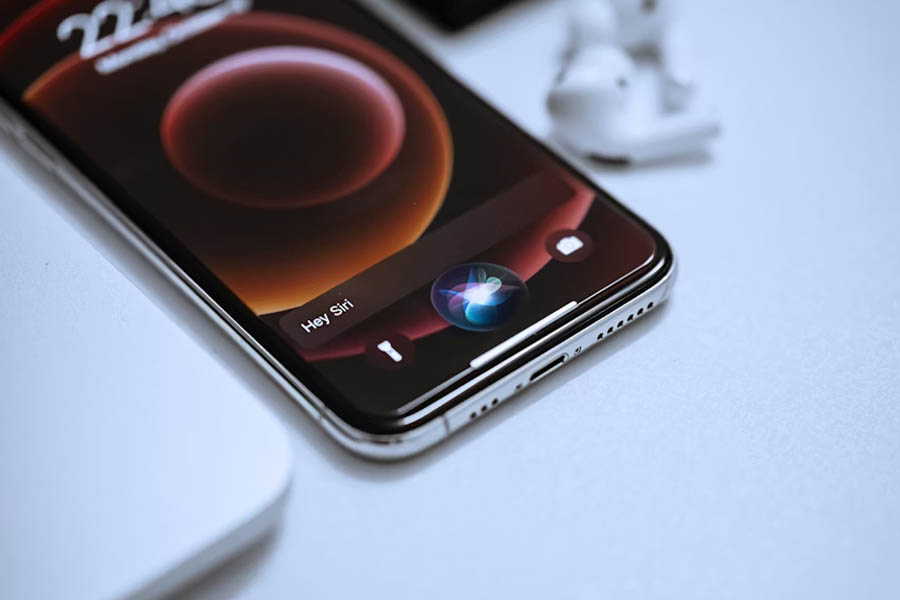
5 May 2026 | Cupertino, California
CUPERTINO, California – The AI-powered Siri that Apple promised never arrived. And now, the company is paying for it – $250 million for a future that never came.
Apple on Tuesday agreed to pay $250 million to settle a class-action lawsuit accusing the California tech company of misleading millions of iPhone buyers by falsely touting artificial intelligence capabilities for its Siri voice assistant in late 2024.
The promised "personalized" version of Siri – the one that was supposed to understand context, anticipate needs, and finally compete with Google Assistant and Amazon's Alexa – still has not been fully released despite its announcement nearly two years ago.
⚡ THE NUMBERS: $250 million settlement • 36 million eligible devices • $25–$95 per device • iPhone 16, 15 Pro, 15 Pro Max • 10-month period (June 2024 – March 2025) • "AI capabilities that did not exist"
"Promoted AI Capabilities That Did Not Exist"
Plaintiffs accused Apple of having "promoted AI capabilities that did not exist at the time, do not exist now, and will not exist for two or more years" in order to boost iPhone sales, according to the suit.
The Better Business Bureau's National Advertising Division, the US advertising watchdog, had also concluded that Apple falsely suggested the new AI-powered Siri was "available now." The ads ran. The promises were made. The iPhones were sold. And the feature never materialized.
A Morgan Stanley survey cited in the complaint indicated that "enhanced Siri" was the feature that potential iPhone buyers most anticipated. Apple had launched a major advertising campaign in 2024 to promote these capabilities – before confirming their indefinite delay and pulling its ads.
By then, the damage was done. Millions of consumers had bought iPhones based on promises that Apple could not keep.
— Class-action lawsuit against Apple
The Settlement: $250 Million, No Admission of Wrongdoing
The settlement filed Tuesday for court approval includes no admission of wrongdoing by Apple. It covers roughly 36 million eligible devices – the iPhone 16, as well as the iPhone 15 Pro and 15 Pro Max – bought in the US from 10 June 2024 to 29 March 2025.
Each class member could receive $25 per device, a sum that could reach $95 depending on the number of approved claimants. For consumers who bought multiple devices, the payout could be higher. For Apple, the payout is a rounding error – but the reputational damage may linger.
"We resolved this matter to stay focused on what we do best: delivering the most innovative products and services to our users," Apple told the Financial Times.
But critics say the settlement lets Apple off the hook too easily. The company spent billions on AI research. It promised a revolution. It delivered disappointment. And now, it pays a fraction of its quarterly profits to make the problem go away.
"An Inflection Point with AI": The Lawyer's Warning
"We are proud to secure a historic settlement on behalf of consumers who should feel confident and protected when deciding where to spend their hard-earned dollars," said Ryan Clarkson, founder and managing partner of Clarkson Law Firm, which brought the suit on behalf of consumers.
"We are at an inflection point with AI, and the choices companies and regulators make now will shape how this technology impacts everyday people."
Clarkson's words carry weight. The Siri case is not an isolated incident. Across the tech industry, companies are racing to announce AI features – and then racing to deliver them. Often, the promises outpace the reality. Sometimes, they never arrive at all.
The settlement must still be approved by Judge Noël Wise of the federal district court for the northern district of California at a hearing set for 17 June. Approval is expected.
The Bigger Picture: AI Hype vs Reality
Apple's Siri debacle is a cautionary tale for the entire tech industry. In the race to dominate artificial intelligence, companies are under immense pressure to announce breakthrough features – even before they are ready.
The problem is not unique to Apple. Google's AI overviews have generated embarrassing errors. Microsoft's Copilot has faced criticism for inaccuracies. Amazon's Alexa has struggled to evolve beyond a basic voice assistant. But Apple's case is different: it directly tied AI promises to hardware sales.
Consumers bought iPhones expecting a smarter Siri. They received the same Siri – just with a new label. And now, Apple is paying the price.
📊 SETTLEMENT AT A GLANCE
- Total settlement: $250 million
- Eligible devices: iPhone 16, iPhone 15 Pro, iPhone 15 Pro Max
- Purchase period: June 10, 2024 – March 29, 2025
- Number of devices: ~36 million
- Per-device payout: $25 (up to $95 depending on claimants)
- Key claim: "AI capabilities that did not exist"
- Watchdog ruling: BBB National Advertising Division found ads falsely suggested AI Siri was "available now"
- Hearing date: June 17, 2026
What Comes Next?
The settlement awaits judicial approval. If granted, class members will be notified and given the opportunity to file claims. For most consumers, the payout will be small – perhaps enough for a few cups of coffee. But the precedent is significant.
For Apple, the $250 million is a cost of doing business. The company generated more than $100 billion in profit last year. This settlement will not appear on its balance sheet as anything more than a footnote.
But for the tech industry, the message is clear: AI hype has consequences. Announce features you cannot deliver, and you may find yourself in court.
And for Siri? The "personalized" version remains in development – nearly two years late and counting. The ads are gone. The promises have faded. And millions of iPhone owners are still waiting for the assistant they were promised.
Apple says it is focused on "delivering the most innovative products." The courts will decide if that is enough.
Stay updated with the latest tech trends headlines on our Tech Trends Page.