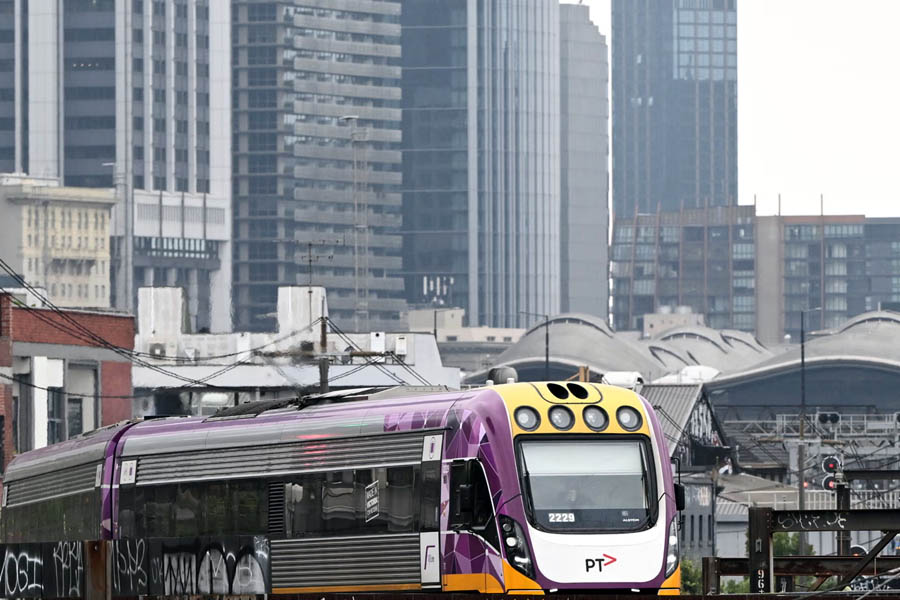
Australia: Victoria and Tasmania have announced temporary free public transport measures as petrol prices soar due to the energy shock caused by the Middle East conflict. The move aims to encourage commuters to switch from driving and ease the surge in fuel demand that has pushed household fuel bills higher across the country.
Key developments:
- Victoria: Free metro and regional V/Line trams, trains, buses from 31 March to end of April
- Tasmania: Free buses and Derwent River ferries from 30 March until 1 July
- Victoria's free transport expected to cost $71 million in forgone revenue
- NSW and Western Australia maintain fares, citing need to preserve resources
- Average household fuel bill up $20 per week since end of February
Victoria Goes Free for a Month
The Allan government said all metro and regional V/Line trams, trains, and buses will be free from 31 March until the end of April. The measure is expected to cost around $71 million in forgone revenue, a cost the government has justified as necessary relief for households struggling with rising living costs.
Public transport minister Gabrielle Williams said the government anticipates higher passenger numbers but believes the system can handle the increase. Myki gates will remain open, passengers will not need to touch on, and any accidental charges will be refunded. Yearly Myki passes will automatically pause and resume after April, ensuring that annual pass holders do not lose value during the free period.
Premier Jacinta Allan emphasized that the initiative is temporary but intended to provide immediate relief for Victorians facing rising fuel prices. "We know that every dollar counts for families right now, and this is a practical way we can help ease the pressure on household budgets," Allan said in a statement announcing the measure.
Tasmania Follows With Longer Free Period
Tasmanian Premier Jeremy Rockliff announced free buses and Derwent River ferries across the state from 30 March until 1 July. The longer free period reflects Tasmania's particular vulnerability to fuel price increases, given the state's reliance on imported fuel and the absence of alternative transport options in many areas.
Transport Minister Kerry Vincent said commuters could save between $20 and $88 a week during the free period, depending on their travel patterns. The savings could amount to hundreds of dollars over the three-month period, providing significant relief for regular public transport users.
"We want to keep money in the pockets of Tasmanians during this difficult time," Rockliff said. "This is about helping families manage the cost-of-living pressures while also encouraging more sustainable transport choices."
Conclusion
The temporary free transport measures in Victoria and Tasmania aim to ease the immediate cost-of-living pressures caused by rising fuel prices. While NSW and WA maintain fares, the initiatives highlight differing approaches across Australian states to manage the ongoing energy crisis. The coming weeks will test whether free public transport can meaningfully shift travel behavior and provide the relief governments are promising to households struggling with higher fuel costs.
As the Middle East conflict continues and global energy markets remain volatile, Australian governments at both state and federal levels face ongoing pressure to respond to the economic consequences of the crisis. Whether through fare relief, fuel subsidies, or other measures, the challenge of protecting households from global energy shocks is likely to remain a central policy concern for the foreseeable future.