14 April 2026 | London / Global Energy Markets
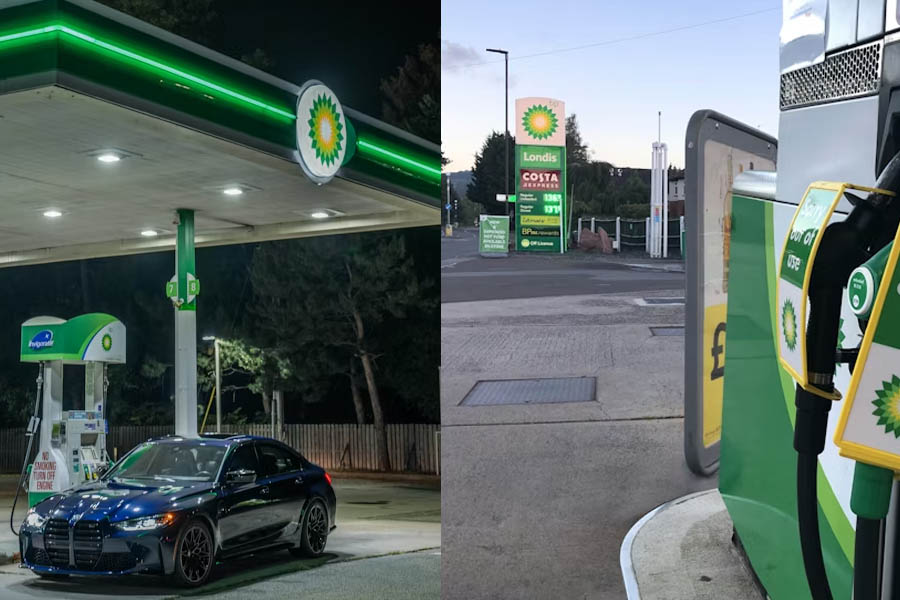
London, England – War is hell. But for BP's oil traders, it has been exceptionally profitable.
The energy giant has signaled "exceptional" earnings from its oil trading operations, capitalizing on extreme volatility in global energy markets triggered by the ongoing Iran conflict. While the world grapples with $100 oil, soaring inflation, and fractured supply chains, BP is counting its blessings – and its billions.
Analysts at Citi have upgraded BP's expected quarterly profit by 20% to approximately $2.6 billion. The company confirmed that its oil trading performance is expected to be "exceptional" for the first quarter – a carefully chosen word that insiders say reflects gains far beyond normal expectations.
Key market indicators:
- BP expected profit: ~$2.6 billion (20% upgrade from Citi)
- Brent crude range: $61 (January) → $119.50 (peak) → ~$100 (current)
- Global supply drop: 10+ million barrels/day (March)
- BP refining margin: $16.9/barrel (up from $15.2)
- Refined products boost: Up to $200 million
- Global oil demand: Expected to decline (first time since 2020)
Volatility Drives Trading Windfall: The Perfect Storm for Traders
BP's oil traders have benefited from rapidly fluctuating markets following disruptions caused by geopolitical tensions – particularly the effective closure of the strategic Strait of Hormuz, through which one-fifth of global oil once flowed.
Volatility is a trader's best friend. Calm, predictable markets offer narrow margins. Chaotic, unpredictable markets – the kind created by war, blockades, and diplomatic collapse – offer opportunity. And BP's traders have seized it.
"When prices swing by $5 or $10 in a single day, fortunes are made," said one energy market analyst. "BP has some of the best traders in the world. They are built for moments like this."
Industry-Wide Profit Surge: Shell Joins the Party
BP is not alone in benefiting from the volatile market conditions. Rival energy company Shell has also reported expectations of significantly higher trading profits for the same period. The two London-listed giants are sailing through the crisis on a tide of black gold.
Analysts at Citi responded by increasing BP's profit forecast, highlighting strong performance despite relatively stable production levels. The gains are not coming from pumping more oil – they are coming from trading it smarter.
"This is not a production story," said a Citi analyst. "This is a trading story. BP and Shell have teams that thrive on volatility. And right now, volatility is off the charts."
Oil Prices Spike Dramatically: From $61 to $119 and Back
Brent crude prices have experienced dramatic swings that would have seemed impossible just months ago. From around $61 per barrel in January – a time when markets were calm and the world was at peace – prices rocketed to peaks near $119.50 following disruptions to Middle Eastern shipping routes.
Although prices have recently eased slightly, they remain elevated, hovering near $100 per barrel. That is still nearly 40% higher than pre-war levels – a sustained shock that is reshaping global economics.
For BP and Shell, every dollar above $70 is effectively pure profit on a significant portion of their production. The math is simple: higher prices mean higher revenues. And right now, prices are very high.
Uncertain Outlook: JP Morgan vs Goldman Sachs
Financial institutions remain divided on future oil price trends – a division that reflects the deep uncertainty surrounding the conflict.
JP Morgan analysts expect prices to remain above $100 per barrel in the coming months, citing the continued blockade of the Strait of Hormuz and the risk of further escalation. "The supply shock is real, and it is not going away quickly," the bank told clients.
Goldman Sachs, however, has slightly lowered its forecast, suggesting that demand destruction – as high prices force consumers and businesses to cut back – could eventually cool the market.
The International Energy Agency (IEA) has warned of significant disruptions to both supply and demand due to the ongoing conflict. In a rare double shock, both sides of the equation are moving against stability.
Supply Disruptions and Demand Decline: A Historic Contradiction
The IEA reported a sharp drop in global oil supply, with production falling by more than 10 million barrels per day in March. This marks one of the largest disruptions in energy market history – comparable to the 1979 Iranian Revolution and the 1990 Gulf War.
Ongoing attacks on infrastructure and restrictions on tanker movements through key shipping routes have further intensified the crisis. The US blockade of the Strait of Hormuz, announced Sunday, has only added to the chaos.
Yet in a striking contradiction, global oil demand is now expected to decline for the first time since the 2020 pandemic. High prices are destroying demand even as supply collapses – a rare phenomenon that leaves forecasters uncertain about the ultimate trajectory.
"Typically, a supply shock of this magnitude would send prices through the roof and keep them there," said one IEA analyst. "But demand is weakening faster than we expected. The global economy cannot afford $100 oil for much longer."
BP's Operational Performance: Steady Production, Better Refining
Despite market volatility, BP expects its oil and gas production to remain broadly stable in the first quarter. The company is not pumping significantly more oil – it is simply making more money from the oil it already produces.
Improved refining margins are expected to boost earnings from refined products by up to $200 million. The company's refining margin rose to $16.9 per barrel, up from $15.2 in the previous quarter, providing additional financial support.
In other words: BP is winning at every level of the energy business.
Strategic Shift Under New Leadership: Meg O'Neill Doubles Down on Oil
BP's new chief executive, Meg O'Neill, has signaled a continued strategic shift toward oil and gas investments, moving away from low-carbon projects to enhance profitability. The message to shareholders is clear: under my leadership, BP will prioritize returns over renewables.
This approach reflects growing pressure from shareholders seeking stronger financial returns amid uncertain global conditions. The Iran war has only reinforced the case for fossil fuels – at least in the short term.
"Investors want profits, not promises," said one energy sector analyst. "O'Neill is giving them what they want. And right now, the profits are extraordinary."
The Moral Question: Profiting from War
BP's exceptional trading performance raises uncomfortable questions. While the world economy suffers – while families pay more at the pump, while businesses struggle with higher costs, while inflation eats away at wages – BP and Shell are counting record profits.
The company is not breaking any laws. It is operating within the rules of global commodity markets. But the optics are difficult to ignore.
"There is something deeply unsettling about energy companies celebrating 'exceptional' trading profits during a war," said one ethics professor. "They are not causing the war. But they are certainly benefiting from it."
BP declined to comment on the ethical dimensions of its trading performance. The numbers, however, speak for themselves.
The Bottom Line: Winners and Losers in the Iran War
Every crisis creates winners and losers. The Iran war is no exception.
The losers are clear: consumers paying $4 or $5 per gallon. Businesses struggling with higher costs. Economies teetering on the edge of recession. The global poor, for whom higher energy prices mean hunger and cold.
The winners? BP. Shell. And every other oil major with the trading desks and balance sheets to navigate – and profit from – historic volatility.
BP's exceptional quarter is a testament to the company's trading prowess. It is also a reminder that in the world of global energy, war is not just tragedy. It is also opportunity.
Stay updated with the latest global markets headlines on our Business Headlines Page.