Brussels, Belgium – The European Union has proposed banning Russian soldiers from entering its territory as part of sweeping new sanctions against Moscow that also target banks, cryptocurrency firms, shadow fleet vessels, and Kremlin oil revenues in the 21st round of measures since Russia's full-scale invasion of Ukraine.
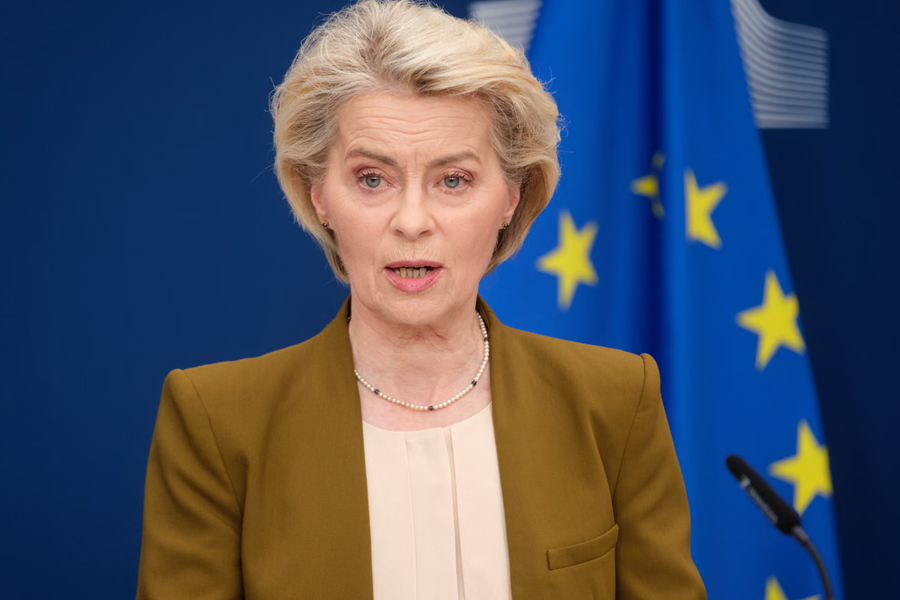
Announcing the proposals on Tuesday, European Commission President Ursula von der Leyen declared: "We propose for the first time to ban from entry into the European Union anyone who has served in the Russian armed forces since the beginning of the war. So Europe stays off limit for anyone who has participated in the invasion of Ukraine, as simple as that."
The proposed visa ban on combatants represents a significant escalation in EU sanctions policy and must be agreed unanimously by all 27 member states. The measures are part of the 21st sanctions package since Moscow's full-scale invasion began in February 2022.
Key developments:
- EU proposes historic ban on Russian soldiers entering bloc territory
- 21st sanctions package targets banks, crypto firms, and shadow fleet vessels
- Price cap on Russian oil extended at $44 until January 2027
- 30 additional "shadow fleet" vessels added to EU blacklist (632 already restricted)
- Sanctions extended to crypto firms helping Russia evade western capital markets
- 20 banks, crypto firms, and oil traders in third countries targeted
- First-time ban on Russian fish imports including cod
- Import ban on Russian metals, ores, and car parts worth €60 million
- EU export restrictions on metals and alloys for aerospace and defence industries
- Ukraine accession negotiations to move to next phase next week
'Our Sanctions Keep Biting Hard and Cutting Deep'
"Our sanctions keep biting hard and cutting deep. They are weakening the economic foundations of Russia's war effort," von der Leyen said as she introduced the plans.
The commission also wants to maintain a price cap on Russian oil at $44 until January 2027, a measure designed to prevent the Kremlin from reaping gains from rising crude prices resulting from geopolitical tensions, including the recent closure of the Strait of Hormuz.
"We want to maintain the full intensity of our sanctions," von der Leyen added, emphasizing Brussels' commitment to sustained economic pressure on Moscow.
Targeting Russia's Shadow Fleet
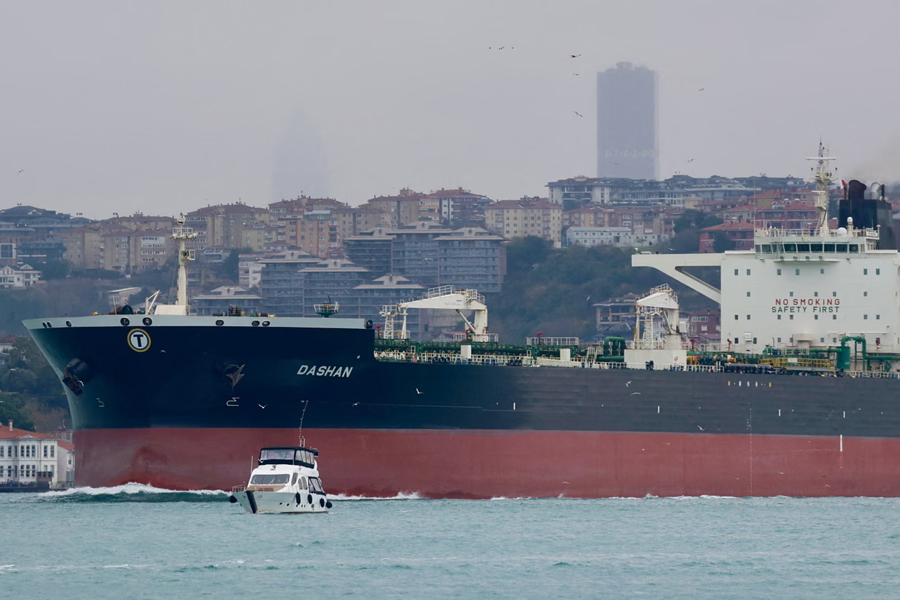
EU officials want to add 30 "shadow fleet" vessels helping Russia evade western sanctions to its blacklist, in addition to 632 already under restrictions. These aging, often uninsured tankers have become a critical component of Russia's ability to continue exporting oil despite international sanctions.
The shadow fleet operates outside standard maritime regulations, using opaque ownership structures and flags of convenience to transport Russian oil to buyers in Asia, Africa, and the Middle East. Environmental groups have warned that these vessels pose significant ecological risks due to their poor maintenance and lack of proper insurance.
Cracking Down on Crypto Evasion
In addition, Brussels wants to extend sanctions against cryptocurrency firms that are helping Russia cope with being shut out of western capital markets. The EU proposes placing sanctions on 20 banks, crypto firms, and oil traders in third countries deemed to be helping Russia dodge sanctions.
Since the invasion of Ukraine, Russia has increasingly turned to cryptocurrencies to bypass financial restrictions, using digital assets to pay for imports and receive payments for exports. The new sanctions target this evolving evasion network.
Estonia's Push for Combatant Ban
Estonia first put a ban on Russian ex-combatants on the EU agenda earlier this year. Its foreign minister, Margus Tsahkna, told reporters in January that a visa ban was necessary for Europe's security.
"Putin will push these people to Europe," he said, citing continuing hybrid attacks by Russian agencies within the EU. "Can you imagine these hundreds of thousands of ex-combatants, criminals coming here? I am sure they are not going to just work and pay all taxes. No, they are going to do many bad things."
Western intelligence agencies have documented Russian efforts to use combat veterans as part of hybrid warfare operations, including disinformation campaigns, cyber attacks, and potential sabotage activities across Europe.
New Trade Restrictions: Fish, Metals, and Car Parts
The latest sanctions proposals extend for the first time to Russian fish imports, with a potential ban on cod and restrictions on trade in other species. The EU also intends to ban the import of Russian metals, ores and car parts worth €60 million (£52 million) as part of continuing attempts to restrict economic ties with Moscow.
EU export restrictions are proposed for metals and alloys used in the aerospace and defence industries, including drone equipment and launch systems – further tightening the technological noose around Russia's military-industrial complex.
The Irish Alumina Controversy
Notably absent from the sanctions list were EU alumina exports, which have come under intense scrutiny since investigative journalists revealed details of how the raw material needed to produce aluminium – refined in Ireland – feeds into Russian supply chains.
Alumina is shipped from the Russian-owned Aughinish plant in County Limerick to Siberia, where it is smelted into aluminium to supply Russian factories. An investigation by the Organized Crime and Corruption Reporting Project and partners including the Guardian and the Irish Times revealed that alumina refined in Ireland fed into a Russian supply chain that appeared to conclude with arms firms making lethal weapons used in Ukraine.
The EU foreign policy chief, Kaja Kallas, was expected to raise the issue when she met the Taoiseach, Micheál Martin, in Dublin on Tuesday, a few weeks before Ireland takes over the rotating presidency of the EU council.
The revelations appear to contradict assurances from the Irish government in 2022 that the plant was "not in any way connected to a war machine." Dublin said in March: "The general principle of EU sanctions on Russia is that their imposition does not have a greater impact on a European member state than on Russia itself."
The Aughinish plant employs 900 people and supplies about 30% of the EU's alumina, used in everything from medical devices to mobile phones. EU officials say there are no alternatives to bauxite (the primary ore for aluminium) or alumina that are not controlled by Russian or Chinese firms – presenting a significant dilemma for European policymakers.
Ukraine Accession Talks to Advance
Von der Leyen also confirmed the decision to move ahead with Ukraine's negotiations to join the EU. The bloc is expected to open the first set of negotiating chapters – on the rule of law and democratic standards – in accession talks with Ukraine and Moldova next week.
"This basically opens the door to the next phase of the accession process, the formal start of negotiations," she said, offering a powerful political signal to Kyiv as it continues to defend against Russian aggression.
What Comes Next
The proposed sanctions package must now be negotiated among EU member states, with unanimous approval required for adoption. While there is broad consensus on the need to maintain pressure on Russia, disagreements may emerge over specific measures, particularly those with significant economic impacts on individual member states.
The shadow fleet measures are expected to face less opposition, as member states have grown increasingly concerned about the environmental and security risks posed by aging, uninsured tankers traversing European waters.
The combatant visa ban, while symbolically significant, may face legal and practical challenges regarding implementation and enforcement. Questions remain about how to verify military service and whether exceptions should be made for defectors or those seeking asylum.
🌍 The Big Picture
The EU's 21st sanctions package represents a significant ratcheting up of pressure on Moscow, targeting not just Russia's economy but the individuals carrying out the war itself. By proposing to ban Russian soldiers from European territory, Brussels is drawing a clear line: those who participate in the invasion will face personal consequences that extend beyond the battlefield. As the war enters its fourth year, European unity on sanctions remains remarkably intact – but the alumina controversy highlights the difficult trade-offs that lie ahead.
🇪🇺 For more breaking news and international updates: Visit NewsOrbit - World Breaking News for the latest headlines from around the globe.