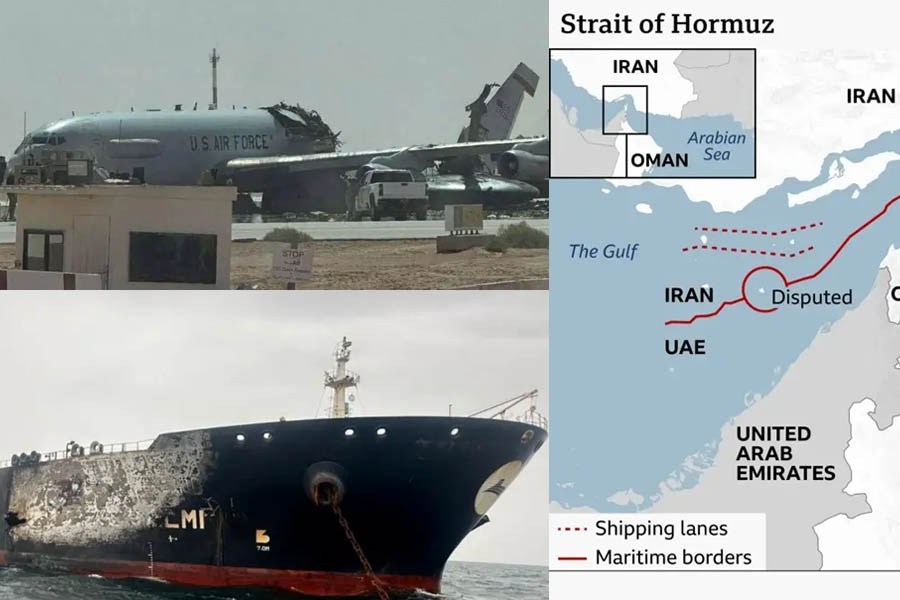
Global markets are facing intense pressure as war tensions in the Middle East disrupt supply chains, sending aluminium, oil, and fuel prices sharply higher. Airlines, industries, and economies worldwide are now adjusting to rising costs and uncertainty.
Key developments:
- Aluminium prices surge 3% to $3,401 per metric ton on London Metal Exchange
- Jet fuel prices more than doubled to nearly $200 per barrel
- Brent crude hits $115 per barrel, up 50% since pre-war levels
- Strait of Hormuz shipping traffic drops 95% as Iran plans to impose tolls
- Emirates Global Aluminium reports significant damage in Abu Dhabi
- Korean Air initiates emergency cost-cutting measures
- US oil reaches $106 per barrel
⚙️ Aluminium Prices Near Four-Year High
Aluminium prices surged by more than 3% on the London Metal Exchange, reaching $3,401 per metric ton, following airstrikes on major producers in the Middle East.
Top producers like Emirates Global Aluminium (EGA) reported significant damage in Abu Dhabi, while Aluminium Bahrain is assessing its losses.
✈️ Airlines Under Pressure as Fuel Prices Surge
Korean Air has initiated emergency cost-cutting measures as jet fuel prices soar beyond expectations.
Fuel costs have more than doubled, reaching nearly $200 per barrel, forcing airlines to rethink financial strategies.
🛢️ Oil Prices Hit Multi-Year Highs
Oil markets continue to climb as geopolitical tensions intensify:
Crude prices are now over 50% higher than before the conflict began.
🌊 Strait of Hormuz Crisis
Iran has approved plans to impose tolls on ships passing through the Strait of Hormuz — a route that handles 20% of global oil supply.
Shipping traffic has dropped by 95%, raising fears of further supply disruption and price spikes.
⚔️ Rising Military & Political Tensions
Leaders continue to exchange strong statements as the conflict deepens:
- Israel says the war is beyond halfway but unpredictable
- Iran calls for removal of US forces from the region
- US threatens further strikes if negotiations fail
📉 Wall Street Reacts
Markets remain volatile as oil prices stay elevated and uncertainty continues.
Human Cost of Conflict
Violence continues on the ground, with reports confirming casualties in regional clashes. Military operations are intensifying, adding to global instability.
Stay updated with the latest market developments on our Global Markets Page.