16 May 2026 | Dubai / Tehran / Muscat / Beijing
DUBAI, United Arab Emirates – The struggle for control over one of the world’s most vital maritime chokepoints is escalating into a geopolitical and economic crisis with global consequences.
The strait of Hormuz – the narrow artery through which nearly a fifth of the world’s seaborne oil once flowed before the outbreak of the US-Israel war on Iran – has now become the centre of a dangerous confrontation involving Iran, the United States, China, Oman and the Gulf monarchies.
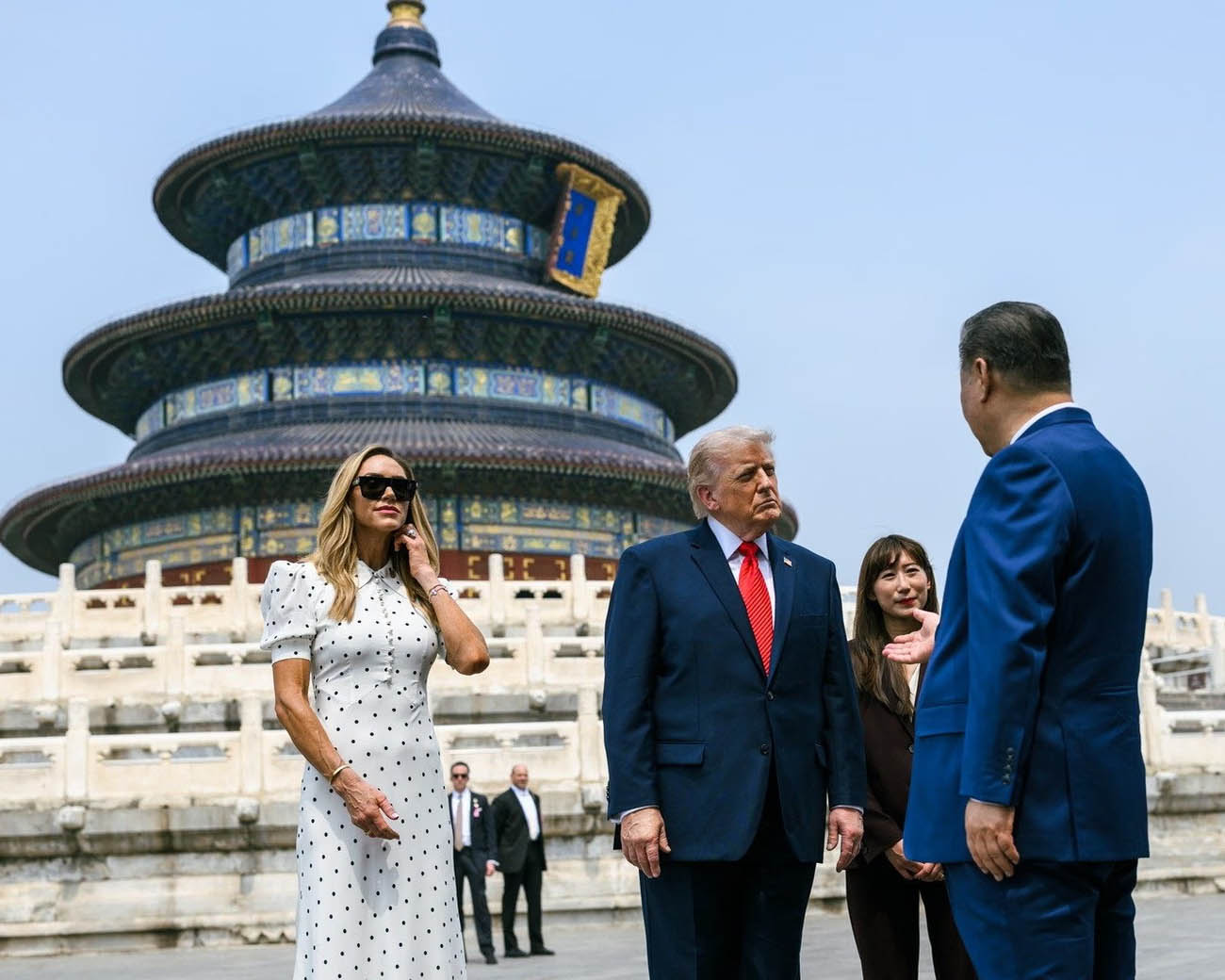
Donald Trump, speaking during his summit in Beijing, claimed that China had agreed with Washington that there could be “no tolls and no restrictions” imposed on shipping moving through the strait.
China imports almost 45% of Iran’s oil exports through the waterway, making Beijing one of the most influential stakeholders in the crisis.
⚡ THE NUMBERS: 20% of global seaborne oil once passed through Hormuz • 11-week blockade ongoing • UAE pipeline expansion planned for 2027 • Existing UAE bypass pipeline capacity: 1.8m barrels per day • Proposed Iranian transit fee: roughly $1 per barrel
China, Iran and the Secret Tanker Arrangement
The Chinese foreign ministry publicly insisted that it only wanted the blockade to end and blamed the closure on the US-Israel war against Iran.
But behind the scenes, Tehran appears to be crafting a far more complicated arrangement.
The Islamic Revolutionary Guard Corps (IRGC) briefed on Thursday that after talks with China’s ambassador to Iran, a large convoy of Chinese oil tankers had been permitted to transit the strait under a special understanding with Tehran.
Iranian officials claimed the tankers had agreed to operate under the “Iranian regime” while moving through the waterway, though the IRGC stopped short of explicitly confirming whether China had agreed to pay a transit fee.
The ambiguity matters enormously.
At the beginning of the crisis, Trump warned that “no one who pays an illegal toll will have safe passage on the high seas.”
That statement implied the US Navy could potentially target or intercept commercial vessels accused of paying Iranian transit charges.
But enforcing such a policy would be extraordinarily difficult, especially if payments were hidden within shipping or insurance arrangements.
— Donald Trump, US President
The UAE’s Race to Escape Hormuz
As uncertainty deepens, Gulf states are rapidly trying to reduce their dependence on the strait altogether.
The United Arab Emirates announced it will accelerate construction of a second oil pipeline bypassing Hormuz, aiming to complete the project by 2027.
Abu Dhabi’s crown prince, Sheikh Khaled bin Mohamed bin Zayed Al Nahyan, has instructed the UAE’s state oil company to fast-track the previously undisclosed infrastructure project.
The pipeline will transport crude oil directly to Fujairah on the Gulf of Oman, avoiding Iranian-controlled waters entirely.
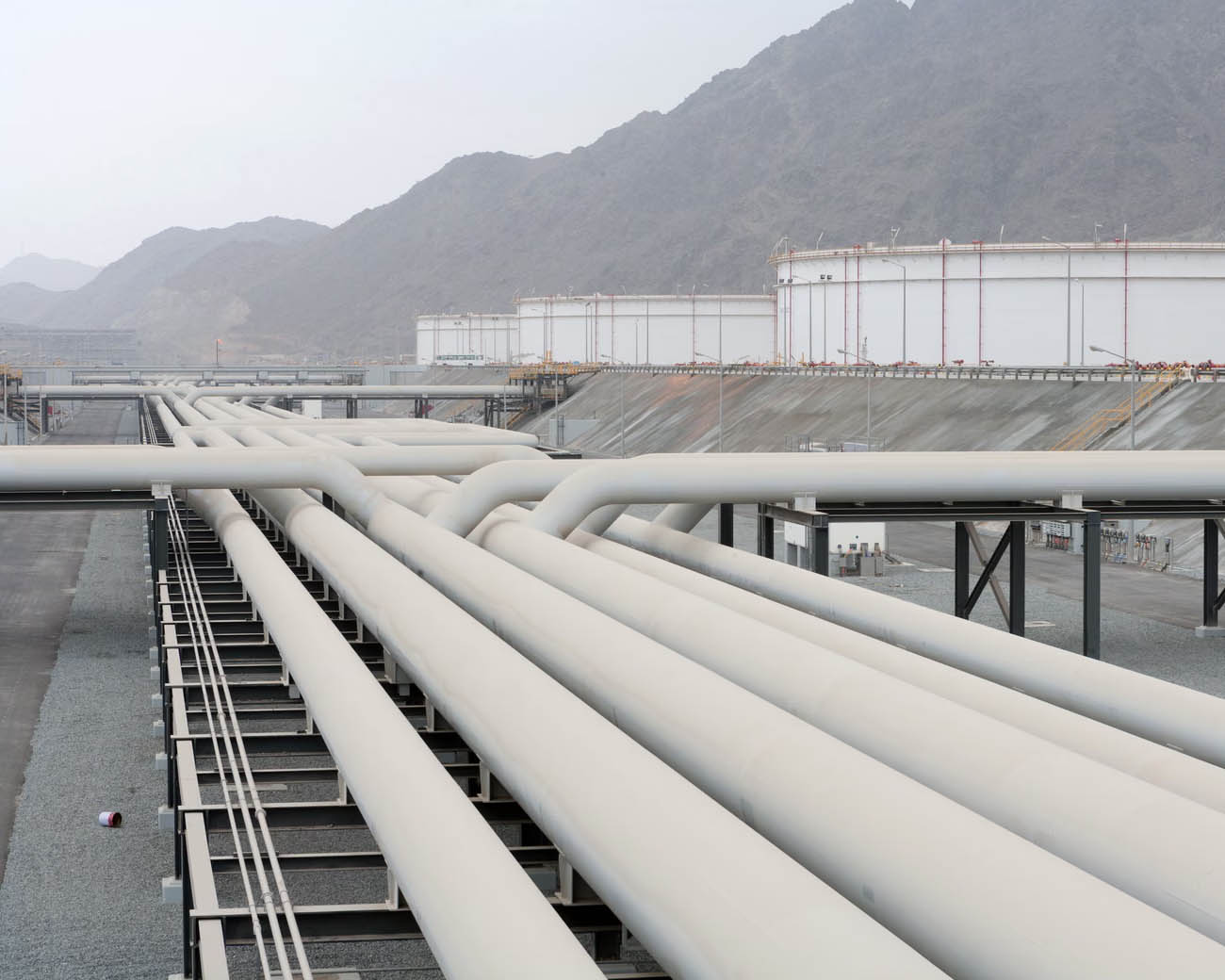
The current Habshan-Fujairah pipeline already carries up to 1.8 million barrels of oil per day.
The new project is expected to double export capacity, potentially bringing the UAE closer to Saudi Arabia’s strategic pipeline capabilities.
The decision underlines how seriously Gulf producers now view the possibility of a long-term or even permanent disruption to tanker traffic through Hormuz.
Since Iran effectively blocked shipping after US and Israeli strikes launched on 28 February, the UAE pipeline has become essential for maintaining oil exports.
The Gulf Schism: UAE vs Saudi Arabia
The pipeline expansion comes only weeks after the UAE dramatically withdrew from Opec following six decades of membership.
The move exposed growing tensions between Abu Dhabi and Riyadh over oil production strategy and future market dominance.
Saudi Arabia has traditionally pushed for tighter production quotas to keep prices elevated and protect government revenues.
But the UAE wants greater freedom to increase exports and exploit new infrastructure even if instability in Hormuz continues.
Analysts believe the UAE’s strategy is increasingly focused on turning Fujairah into one of the world’s most important alternative energy hubs outside the Persian Gulf.
📊 STRAIT OF HORMUZ CRISIS – KEY FACTS
- Global oil transported through Hormuz before war: ~20%
- Current blockade duration: 11 weeks
- China's share of Iranian oil imports: ~45%
- Existing UAE bypass pipeline capacity: 1.8m barrels/day
- Potential expanded UAE capacity: 3.6m barrels/day
- Saudi east-west pipeline export capacity: ~7m barrels/day
- Iran’s proposed transit fee: ~$1 per barrel
- Date of US-Israel attacks on Iran: 28 February 2026
Oman Trapped in the Middle
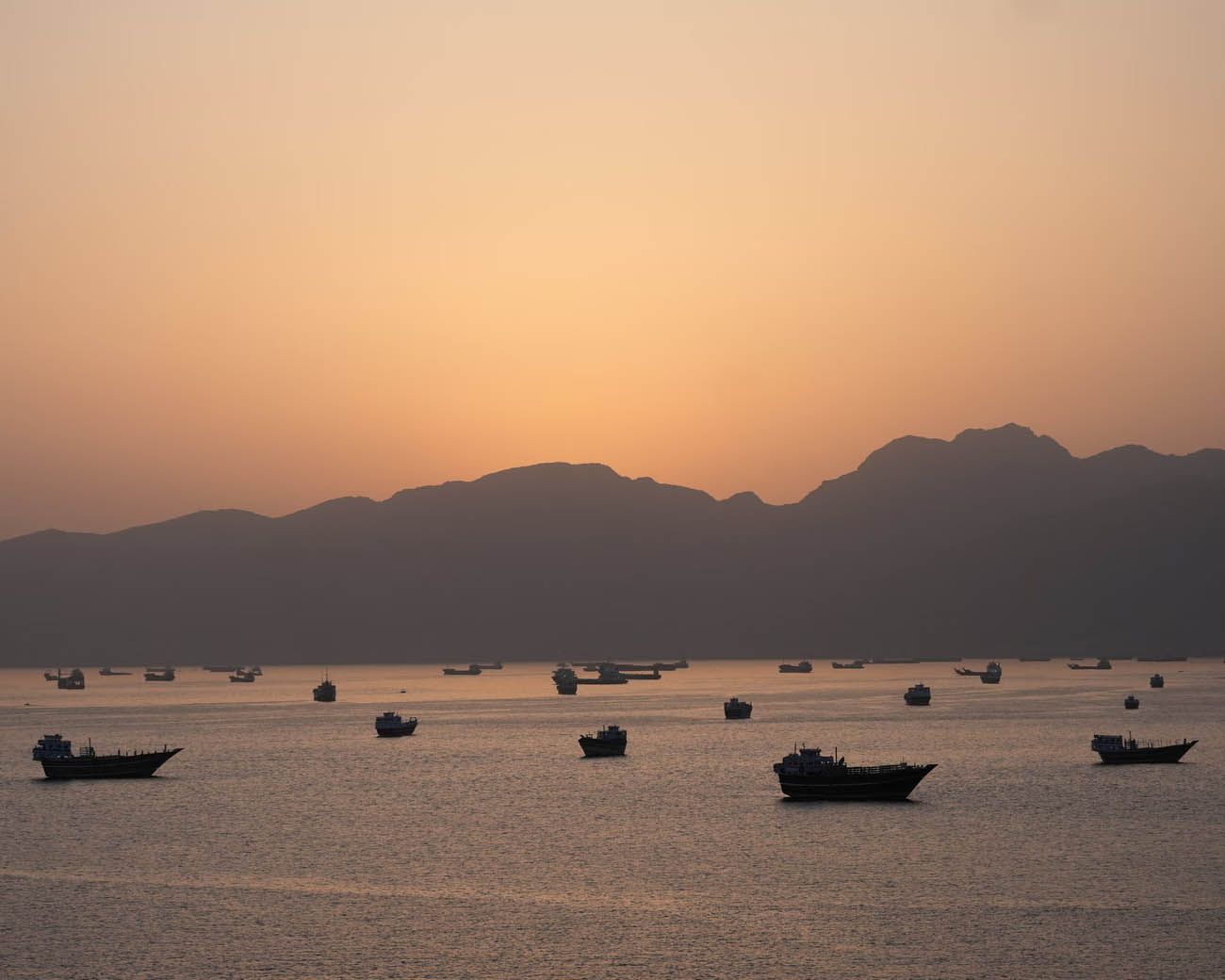
Meanwhile Oman has found itself caught between Iran and the West as tensions over the future governance of the strait intensify.
The Omani exclave of Musandam lies directly beside the contested waterway, placing Muscat in an increasingly delicate diplomatic position.
Iranian foreign minister Abbas Araghchi declared during a visit to India that the strait was an “exclusively Omani-Iranian waterway.”
“There is no international waters in between,” Araghchi insisted.
Tehran says it is coordinating with Oman on future management arrangements for the strait, including proposed shipping fees and mandatory vessel registration systems.
But Oman has remained publicly silent about Iran’s controversial proposals.
Western diplomats argue Iran’s plans violate international maritime law because they would effectively allow Tehran to choose which ships receive passage rights.
The proposals would also require vessels to establish rial-denominated payment accounts linked to the Persian Gulf Strait Authority (PGSA), an agency created by Tehran on 5 May.
Critics say such arrangements could breach sanctions related to the IRGC.
The Battle Over International Law
The legal dispute surrounding Hormuz is rapidly becoming one of the most consequential maritime confrontations in decades.
Iran signed the UN Convention on the Law of the Sea (Unclos) in 1982 but never formally ratified it.
As a result, Tehran argues it is not fully bound by the treaty’s broad transit-passage rules guaranteeing freedom of navigation.
Instead, Iran insists it retains the authority to restrict shipping under “innocent passage” principles if its sovereignty or security is threatened.
Tehran claims Gulf territory and UAE facilities were used by the United States to support military operations against Iran, giving it legal grounds to impose controls over maritime access.
Britain and France are now reportedly backing a rival freedom-of-navigation framework that has the support of most Gulf states.
Senior British officials and International Maritime Organization representatives have travelled repeatedly to Muscat in recent weeks as diplomatic efforts intensify.
— Abbas Araghchi, Iranian Foreign Minister
The Global Energy Shock
The blockade has already sent oil and gas prices soaring worldwide, reigniting fears of inflation shocks and economic slowdown across Europe and Asia.
Shipping insurers have dramatically increased premiums for vessels entering the Gulf, while some tanker operators are refusing to enter the region entirely.
The longer the confrontation lasts, the greater the pressure on major Asian importers including China, India, Japan and South Korea.
For now, a fragile and highly improvised system appears to be emerging – one where selected tankers are allowed passage under negotiated arrangements while geopolitical tensions continue to escalate.
But the danger remains enormous.
Any direct confrontation involving the US Navy, Iranian patrol forces or commercial tankers could instantly trigger a broader military escalation across the Gulf.
🌍 Strait of Hormuz Crisis: Q&A / Vizual Guide
❓ Why is the strait of Hormuz so important?
The strait is one of the world's most vital energy chokepoints. Before the Iran war, roughly 20% of global seaborne oil and gas shipments passed through the narrow waterway between Iran and Oman.
❓ What is Iran trying to do?
Iran wants ships passing through the strait to register with its new Persian Gulf Strait Authority and potentially pay transit fees. Tehran says it has the legal right to regulate passage because the strait lies within Iranian and Omani territorial waters.
❓ Why does the US oppose the fees?
Washington says charging commercial tolls violates freedom of navigation and international maritime law. Trump has warned ships paying Iranian fees may not receive safe passage protection.
❓ What role does China play?
China is Iran’s largest oil customer and imports nearly 45% of Iranian exports through Hormuz. Beijing publicly opposes restrictions but appears to be negotiating directly with Tehran to secure tanker access.
❓ Why is the UAE building another pipeline?
The UAE wants to reduce dependence on Hormuz by expanding export routes through Fujairah on the Gulf of Oman. The new pipeline could double the country's bypass export capacity.
📅 TIMELINE OF THE HORMUZ CRISIS
⚖️ KEY PLAYERS IN THE HORMUZ STANDOFF
🇮🇷 Iran
Seeking control over shipping and potential transit revenue through Hormuz.
🇺🇸 United States
Opposes Iranian tolls and insists on freedom of navigation.
🇨🇳 China
Largest importer of Iranian oil and key negotiator in tanker access talks.
🇴🇲 Oman
Caught between Iran and Western powers over future management of the strait.
Stay updated with the latest world business headlines on our World Headlines Page.