Washington, D.C. – The International Monetary Fund (IMF) has cautioned that ongoing conflict in the Middle East could push energy and food prices higher worldwide, slowing global economic growth and leaving lasting scars.
Key developments:
- IMF warns Middle East conflict will drive global energy and food prices higher
- Brent crude surged from $60 to over $116 per barrel
- UK natural gas prices more than doubled since December to £140 per therm
- UN projects food prices could rise 15-20% if crisis persists
- One-third of global fertilizer passes through Strait of Hormuz
- US troops arrive in Middle East for potential Strait of Hormuz operations
- Houthi forces in Yemen target Israel, threatening Red Sea shipping routes
Global Economic Impacts
The IMF said that disruptions to oil, gas, and fertiliser exports from the Gulf region would affect countries on every continent. Rising costs could reduce living standards, increase business pressure to raise prices, and potentially force central banks to hike interest rates to control inflation.
"All roads lead to higher prices and slower growth," said the IMF's chief economist Pierre-Olivier Gourinchas and department heads, highlighting risks for countries with high borrowing levels.
Energy Prices Soar
Natural gas prices in the UK have more than doubled since last December, reaching around £140 per therm, while Brent crude climbed from $60 to over $116 per barrel before easing slightly. Europe faces potential energy cost spikes next winter, forcing governments to consider subsidies and welfare support.
Food and Fertiliser Risks
About a third of global fertiliser passes through the Strait of Hormuz, and UN projections indicate food prices could rise 15% to 20% in the first half of 2026 if the crisis persists.
US Military Options and Strait of Hormuz
US troops have arrived in the Middle East, preparing for potential operations to reopen the Strait of Hormuz. Experts warn that seizing islands or deploying a massive naval presence could provoke strong retaliation from Iran, risking significant casualties and escalation.
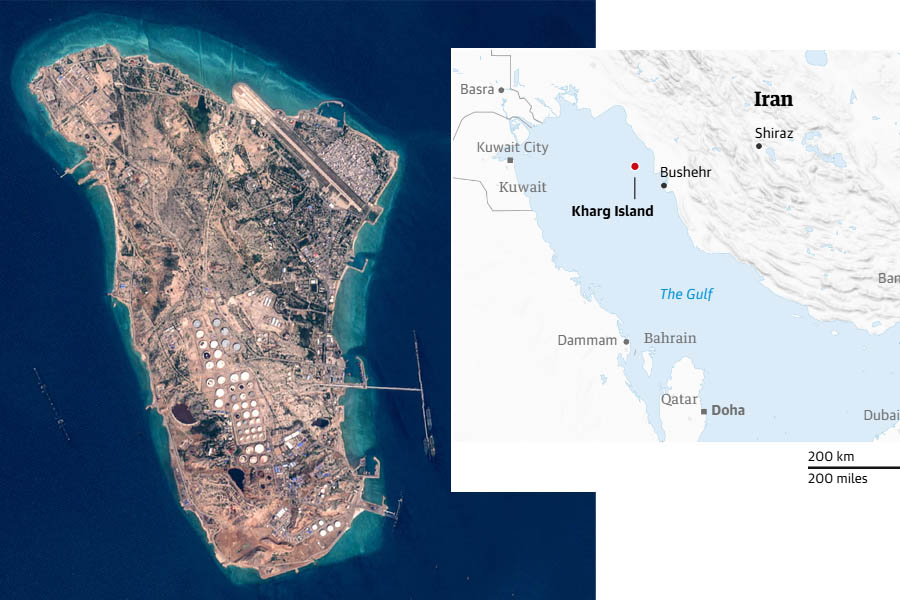
Kharg Island, a key Iranian oil terminal, is a possible target, but Iran's defensive capabilities and the strategic geography of surrounding islands make military action complex. Experts caution that ground operations may not fully secure the strait and naval escorts would be essential for commercial shipping.
Regional Escalation Risks
The conflict could further expand as Iran-aligned Houthi forces in Yemen have already begun targeting Israel, threatening additional vital shipping routes in the southern Red Sea.
Global Takeaways
- Energy and food price spikes threaten living standards worldwide
- High-borrowing countries face limited options to mitigate crisis effects
- Europe is particularly exposed to gas price shocks
- US military operations carry high risk and uncertain outcomes
- Middle East instability adds geopolitical and economic uncertainty
- Global inflation could accelerate with sustained energy disruption
- Food supply chains are vulnerable, pushing prices higher
For ongoing updates on global conflicts and their economic impacts, click here to follow live news.