27 April 2026 | Tehran / Washington / Moscow / London
TEHRAN, Iran – The offer landed in Washington like a diplomatic grenade. Iran is willing to end its chokehold on the Strait of Hormuz. But the nuclear program? That can wait.
Iran has offered to end its stranglehold on the strategic waterway without addressing its nuclear program, two regional officials with knowledge of the proposal said Monday. Instead, Tehran wants to postpone atomic negotiations to a later stage – while demanding the US lift its naval blockade.
The new proposal, passed to the United States by Pakistan, likely won't be supported by President Donald Trump. His position has been consistent, even as the world's energy markets convulse: Iran must abandon its nuclear ambitions as part of any deal to reopen the strait and make the ceasefire permanent.
⚡ Breaking: Oil prices surged to a three-week high above $108 a barrel as peace talks remain stalled. Iran's proposal to postpone nuclear negotiations has been rejected by Trump, who said: "They cannot have a nuclear weapon, otherwise there's no reason to meet."
"If They Want to Talk, They Can Call Us"
Trump's message to Tehran was characteristically blunt. In an interview with Fox News Channel on Sunday, the president made clear that the ball is in Iran's court.
"We have all the cards. If they want to talk, they can come to us, or they can call us," Trump said. "There is a telephone. We have nice, secure lines."
But the conditions for a conversation are non-negotiable. "They know what has to be in the agreement," Trump said. "It's very simple: they cannot have a nuclear weapon, otherwise there's no reason to meet."
Trump was scheduled to meet with his top national security and foreign policy team on Monday to discuss next steps, US media reported. The meeting comes after Trump scrapped a planned visit to Islamabad by his envoys Steve Witkoff and Jared Kushner, saying "too much time" has been "wasted on travelling."
— Donald Trump
Iran's Proposal: Strait First, Nuclear Later
Tehran's new proposal seeks to decouple the two crises that have defined the war. Iranian officials have signaled willingness to reopen the Strait of Hormuz – the chokepoint for roughly 20% of global oil supplies – in exchange for an end to the US naval blockade.
But nuclear negotiations would be postponed, leaving the most explosive issue for another day. For Tehran, this is a tactical move: relieve economic pressure now, negotiate the atomic future later. For Washington, it is a non-starter.
Iran's semi-official Fars news agency said Tehran had sent "written messages" to the Americans via Pakistan outlining red lines, including nuclear issues and the strait. But Fars also said the messages were not part of formal negotiations – a distinction that suggests both sides are still jockeying for position.
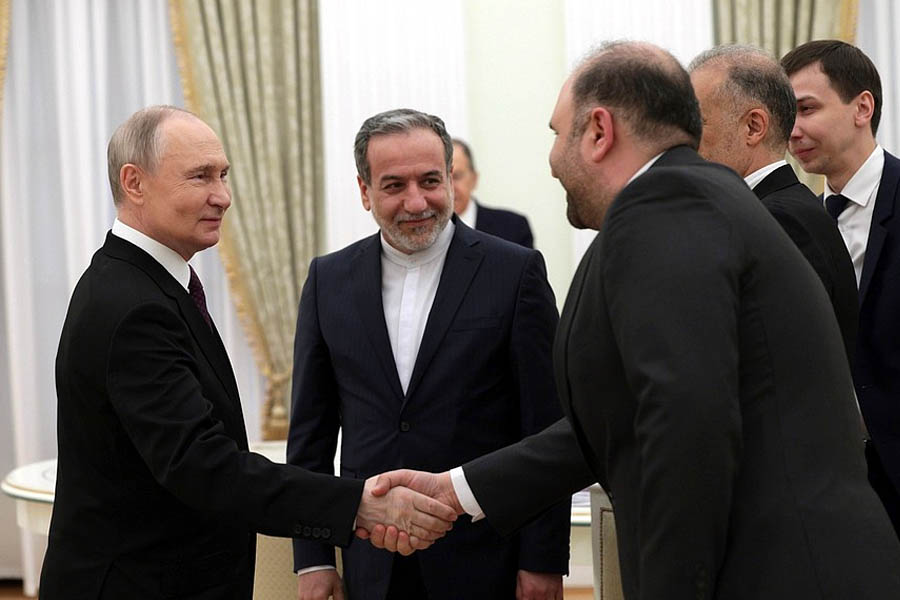
Araghchi in Moscow: Consulting with Putin
Even as the proposal was being transmitted, Iran's top diplomat was flying to Moscow. Foreign Minister Abbas Araghchi arrived in Russia for consultations with Vladimir Putin, saying the visit was an opportunity to consult with Moscow regarding the war against Israel and the United States.
"In continuation of the diplomatic jihad to advance the country's interests and amid external threats," Iran's envoy in Russia, Kazem Jalali, said on X.
Araghchi had already spoken with mediators in Pakistan and Oman before heading to Russia. The message to Washington is clear: Iran has other friends. And it will use them.
Oil at Three-Week High: Markets Feel the Strain
The lack of progress toward a peace deal is weighing heavily on global markets. Brent crude jumped about 2% on Monday morning to a high of $107.97 a barrel – the highest level since the two sides agreed a ceasefire on 7 April.
📊 Oil Market Update:
- Brent crude: $107.97/barrel (2.5% gain, 3-week high)
- Strait traffic (past 24 hours): 7 vessels (compared to 140 pre-war)
- Markets: Emerging market stocks at record high; UK retail sales "darkened"
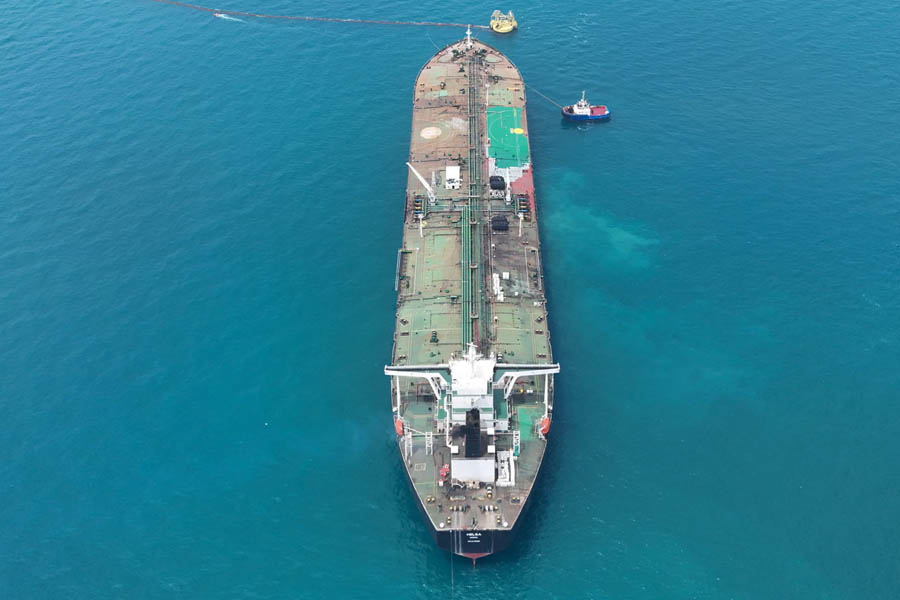
At least seven ships – mainly dry bulk vessels – crossed the Strait of Hormuz in the past 24 hours, in line with muted activity in recent days. Before the war began, around 140 ships would pass through the strait each day.
Capital Economics has warned that the current risk rally is on borrowed time. "If the diplomatic and military stalemate between the US and Iran continues, and the strait remains largely closed, policymakers and market participants will find it increasingly difficult to keep 'looking through' the crisis," said chief markets economist Jonas Goltermann.
"At some point the situation on the ground needs to actually improve, or that optimism will presumably start to fade."
The New York Times: How Trump Decided to Go to War
In an extraordinary article published on 7 April, the New York Times described how Donald Trump decided to go to war with Iran – and the pivotal role played by Israeli Prime Minister Benjamin Netanyahu.
The White House Situation Room is rarely used for in-person meetings with foreign leaders. But this time, Netanyahu took over the presentation space, backed on a screen by the leader of Mossad and Israeli military officials.
"Arrayed visually behind Mr. Netanyahu, they created the image of a wartime leader surrounded by his team," the Times wrote. The article makes clear that Netanyahu's "hard sell" of a quick war was pivotal to Trump's decision.
The piece is unusual in recent mainstream media coverage, which typically avoids mention of Israel's role in Trump's decision-making. The revelation has reignited debate about the influence of foreign allies on US war policy.
Hezbollah Rejects Lebanon-Israel Talks: "A Grave Sin"
Hezbollah leader Naim Qassem on Monday rejected Lebanon's planned direct talks with Israel, calling them a "grave sin" that will destabilize Lebanon.
"We categorically reject direct negotiations with Israel, and those in power should know that their actions will not benefit Lebanon or themselves," Qassem said in a statement.
"These direct negotiations and their outcomes are as if they do not exist for us, and they do not concern us in the slightest," he added. "We will continue our defensive resistance for Lebanon and its people."
The statement comes as Israeli strikes killed 14 people and wounded 37 in Lebanon on Sunday, according to the health ministry – a sign that the fragile Israel-Lebanon ceasefire is under increasing strain.
UK Retail Conditions Darken: War Hits Consumer Confidence
The economic fallout of the war is spreading beyond oil markets. UK retail conditions "darkened" in April, a new survey from the CBI has shown. A net balance of 32% of retailers reported that sales were poor this month – perhaps a sign that the Iran war is hitting spending as consumer confidence drops.
Online retail sales volumes dropped at the fastest rate since January 2024 (-51% from -11% in March). Wholesale sales volumes also fell at a quick pace.
The CBI survey underscores how the war – and the resulting energy price shock – is rippling through the global economy, even in countries far from the conflict zone.
What Comes Next?
Trump meets with his security team on Monday. Araghchi consults with Putin in Moscow. The proposal sits on the table, rejected before it was even formally considered.
Oil is at $108. The strait is almost empty. The ceasefire holds – but barely.
"If they want to talk, they can call us," Trump said.
The question is whether anyone will dial.
Stay updated with the latest world headlines on our World Headlines Page.