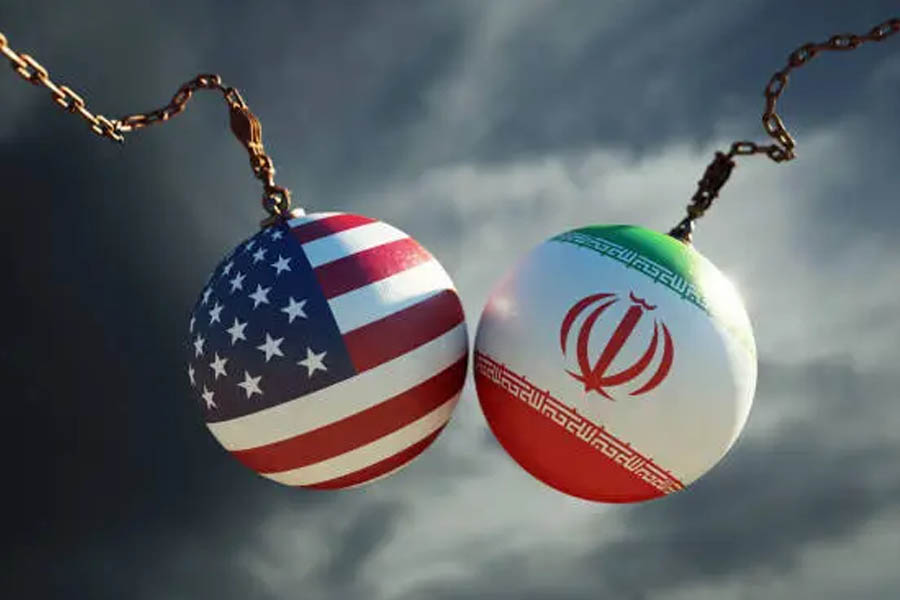
Tehran, Iran – Iran has issued tough new demands for reopening the strait of Hormuz, while the United Arab Emirates said one of its ships was targeted by an Iranian missile, as a deal to open the strategic waterway remained out of reach on Saturday.
Iran's politburo-like body known as the supreme national security council said the strait of Hormuz will not open until the United States "corrects its behaviour", and its state broadcaster published a statement from the council's secretary, Mohammad Bagher Zolghadr, who is also a commander in the Islamic Revolutionary Guard Corps (IRGC).
The US must never threaten Iran again, the statement said, and must permanently end the war with Iran and its armed allies in the region. The US must lift the naval blockade of Iranian ports and withdraw its military from the area. It also must "completely compensate" Iran for war damage, lift sanctions and "unconditionally" release frozen assets.
Key developments:
- Iran's demands: US must "correct its behaviour" before strait reopens
- Ultimatum: US must never threaten Iran again, end war permanently
- Blockade: US naval blockade of Iranian ports must be lifted
- Compensation: Iran demands "complete compensation" for war damage
- Sanctions: All sanctions must be lifted
- Frozen assets: Must be "unconditionally" released
- Attack: UAE says Iranian missile targeted its Adnoc ship
- Oman mediation: Talks continue in "positive and constructive atmosphere"
- Deadline: 60-day period to negotiate final deal ends in just over a week
- Iran president: Pezeshkian says now is "best time for agreement"
There was no immediate comment from the US, which has wanted an acceptable deal on the strait before ending the blockade. According to the interim deal signed in June, a schedule to end sanctions and a plan for compensation would be part of the final deal, and negotiations would address frozen assets.
The Iranian foreign minister, Abbas Araghchi, said on Saturday that they were close to reaching an agreement on navigation, "specifically the determination of a transit route". But the waterway's reopening is contingent on other conditions, he said, in remarks shared on social media, and blamed the situation on what he called the US violation of the interim deal.
Oman Mediation
Oman, which is mediating and has made relatively few comments on the talks, said in a statement on Saturday that the discussions were continuing "in a positive and constructive atmosphere", and condemned attacks on ships on the strait.
Iran has imposed an effective blockade of the strait and wants to charge users for passage, repeatedly attacking ships it accuses of attempting to circumvent its preferred route.
The US opposes any Iranian tolls in the strait, though the June deal allows Tehran to hammer out arrangements for the "future administration" of Hormuz in conjunction with fellow coastal state Oman.
The 60-day period to negotiate a final deal will end in just over a week but could be extended.
Iran's Separate Talks with Oman
Iran has said it was close to reaching a separate deal with Oman to manage the strait, which runs between the two countries.
Iran's president Masoud Pezeshkian, a relative moderate, said he believed now was the best time for an agreement.
"There is cohesion, strength, and unity in the country, and as far as I know, Iran is considered victorious and powerful in this war," Iranian news agencies quoted him as saying.
Attacks Continue
Continued attacks in the strait, which was free to sail through before the war, led to the collapse of an April ceasefire, and mediators have since urged both sides to return to the terms of the June memorandum.
The strait, which is crucial to global supplies of oil and natural gas, had been considered an international waterway before the war. Ship transits remain low.
UAE Ship Targeted
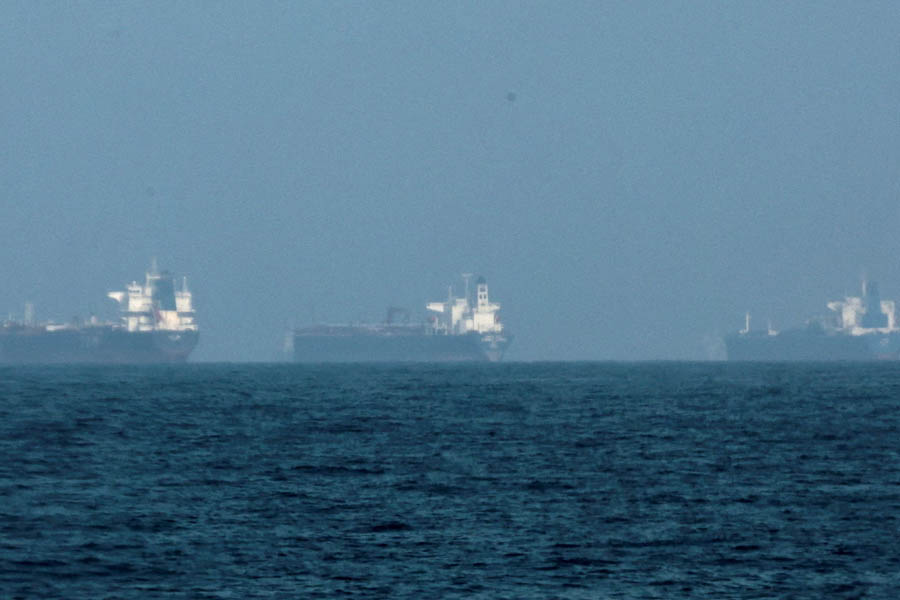
Meanwhile, a vessel owned by Abu Dhabi's state-owned Adnoc oil and gas company was attacked while sailing through the strait of Hormuz, Emirati authorities said earlier on Saturday. The foreign ministry said Iran fired the missile as part of attacks on commercial shipping.
Adnoc said in a statement that there were no casualties following the attack early on Saturday. The company said more than a dozen of its vessels have been attacked by missiles and drones while using the strait since the US and Israel launched the war on Iran in February. One crew member has been killed and 20 others wounded, it said.
Adnoc did not elaborate on the location of the attack or any damage.
Later, the United Kingdom Maritime Trade Operations centre said a vessel east of the town of Khasab, Oman had been struck by a projectile that caused a fire that was put out, and the vessel and crew were safe. It was not clear whether this was the Adnoc incident.
🌊 The Big Picture
Iran has hardened its stance on reopening the strategic Strait of Hormuz, issuing tough new demands that include the US "correcting its behaviour," lifting the naval blockade, ending the war permanently, and providing "complete compensation" for war damage. The ultimatum comes as a deal remains out of reach, with just over a week left in the 60-day negotiation period. Meanwhile, the UAE confirmed that an Iranian missile targeted one of its Adnoc vessels in the strait, the latest in a series of attacks on commercial shipping. Oman continues to mediate, describing the talks as "positive and constructive," but Iran's supreme national security council has made clear the strait will not reopen until its sweeping conditions are met.
What's Next
Key developments to watch:
- Deadline: 60-day negotiation period ends in just over a week
- US response: Washington's reaction to Iran's demands
- Oman mediation: Continued talks between Tehran and Washington
- Shipping attacks: Further incidents in the strait
- Extension: Possible extension of negotiation period
🌊 For more breaking international news and updates: Visit NewsOrbit – World Breaking News for the latest headlines from around the globe.