25 April 2026 | Kathmandu, Nepal
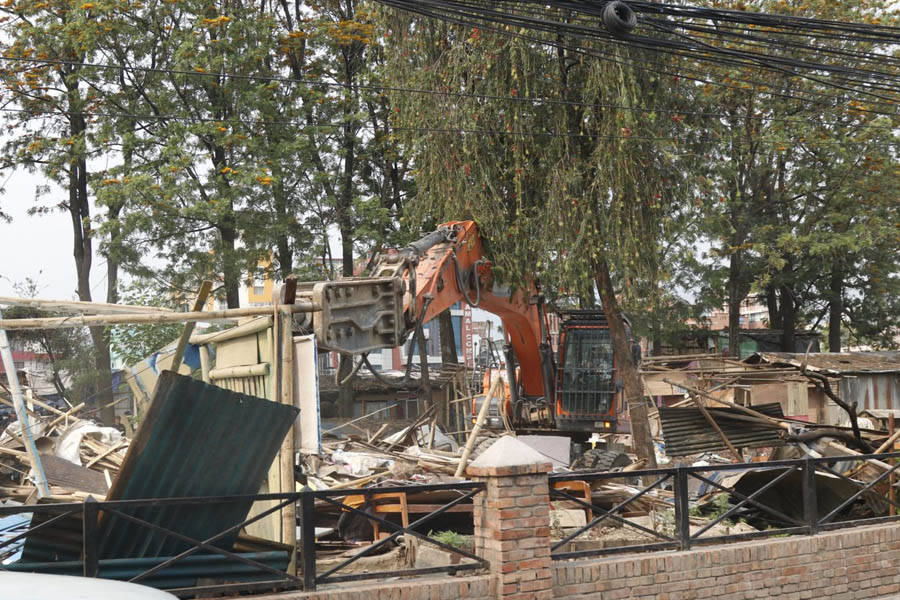
Kathmandu, Nepal – The bulldozers came at dawn. Not with a roar, but with a rumble that echoed through the narrow alleyways of Thapathali. Families gathered their belongings. Children clutched their mothers' hands. And Kathmandu's longest-running urban crisis reached a breaking point.
Nepal's capital witnessed one of its largest urban clearance operations in recent years as government authorities launched a coordinated eviction campaign targeting unauthorized settlements along the city's riverbanks.
The operation, focused on Thapathali, Gairigaun, and Manohara, aims to reclaim public land while separating what officials describe as "genuine landless squatters" from those allegedly exploiting public property despite owning land elsewhere.
⚡ Breaking Update: At least 23 displaced families have already been transferred to a temporary holding center established at Dasharath Stadium in Tripureshwor. The government has prepared five relocation sites for verified landless families.
Thapathali Operation: 40% Structures Cleared
Authorities confirmed that approximately 40 percent of the informal riverside settlement in Thapathali has been removed peacefully. Security personnel from Nepal Police, Armed Police Force, and Kathmandu Metropolitan Police jointly supervised the operation, using bulldozers, ambulances, transport trucks, and rescue vehicles.
The scene was controlled, almost clinical. Police stood watch as workers dismantled tin roofs and bamboo walls. Some families loaded their possessions onto carts. Others watched in silence as their homes of years – sometimes decades – collapsed into piles of debris.
Officials say humanitarian assistance is being provided to vulnerable residents including elderly citizens, pregnant women, children, and disabled individuals.
Gairigaun Demolition Begins
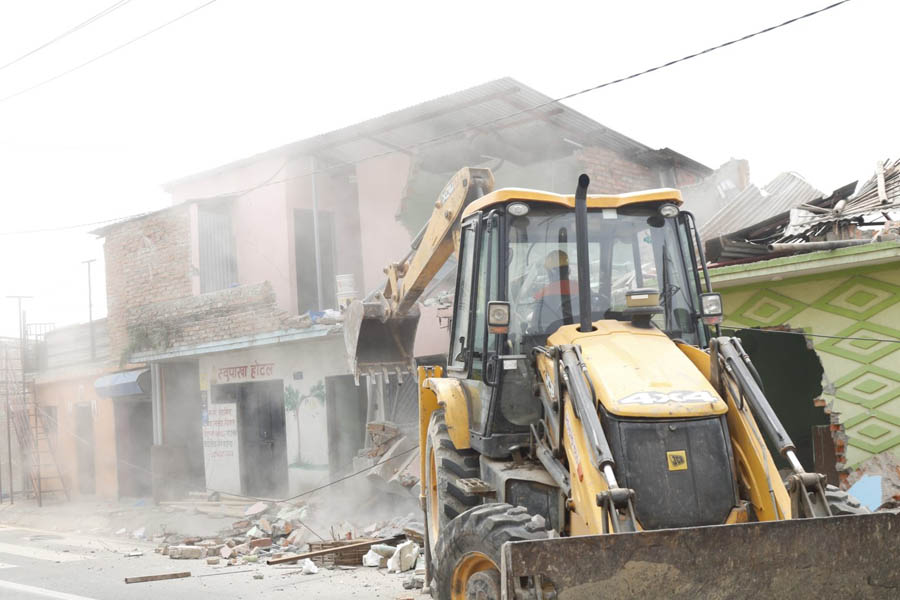
Following the Thapathali operation, demolition crews moved to Gairigaun in Kathmandu Metropolitan Ward-9, where authorities began dismantling structures built on encroached public land.
The neighborhood, once a dense cluster of makeshift homes, gradually emptied as residents heeded government warnings. Police reported no clashes or resistance as the operation continued under high security alert.
"We have been living here for 15 years," said one resident who declined to give his name. "Where will we go now?"
It is a question that thousands of displaced families are asking.
Emergency Relief and Health Services
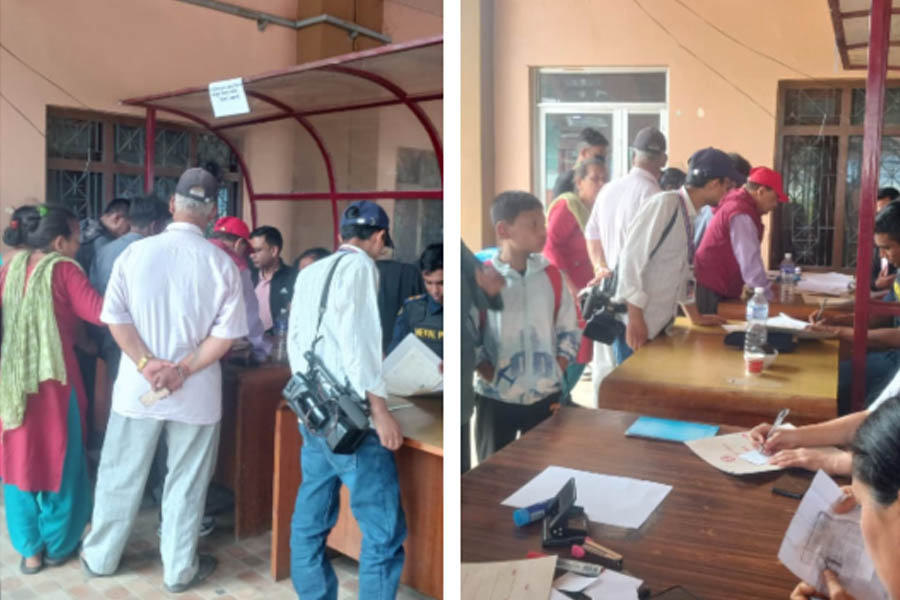
Temporary shelters have been established at Dasharath Stadium where displaced families are being registered and screened. The stadium – usually a venue for celebration and sport – has become a processing center for the displaced.
Primary healthcare services are currently available on-site, while additional emergency medical support has been arranged in Babarmahal, Bhimsengola, and Pepsicola health centers.
Authorities confirmed that:
- 13 displaced individuals were moved to Radhaswami Satsang Center in Sundarighat
- 8 individuals remain in the stadium awaiting family reunification
- Food packages have been arranged for immediate relief
Government to Expose 'Fake Squatters'
In a major policy shift that has sparked intense debate, the government says it will publicly release the identities of individuals found occupying public land despite owning property elsewhere.
The announcement has sent shockwaves through Kathmandu's political and social circles. For years, the squatter settlements have been viewed as havens for the truly landless poor. But officials claim studies have already confirmed that many residents possess alternative landholdings.
📋 Digital Identification: The government is now preparing a digital identification system to profile every displaced resident and determine eligibility for rehabilitation.
"Those who have land elsewhere cannot claim to be squatters," a senior official said on condition of anonymity. "The government will not provide compensation to those who have exploited public land while owning property elsewhere."
The threat of public exposure has created an atmosphere of fear and suspicion among the displaced. Some families have reportedly abandoned their claims to government assistance rather than face scrutiny of their landholdings.
Five Relocation Sites Prepared
For verified landless families, the government has prepared five temporary relocation sites:
- Ichangu, Nagarjun – 42 housing units ready
- Kirtipur Satsang Building
- Bode Training Center, Bhaktapur
- Kharipati Government Buildings
- Chandbagh Open Public Land
Officials say these locations are equipped with water, electricity, and sanitation facilities – a significant improvement over the makeshift conditions of the squatter settlements. But for families who have lived along the riverbanks for generations, the prospect of relocation is daunting.
Political and Social Implications
The eviction campaign has sparked intense debate across Nepal. Supporters argue the move is essential for restoring public land and reducing flood risks along riverbanks. During the monsoon season, the settlements have long been vulnerable to flooding – and the government has cited safety concerns as a primary justification for the evictions.
Critics, however, warn that rapid displacement without long-term housing guarantees could create humanitarian challenges. Human rights organizations have called for a halt to the evictions until proper rehabilitation plans are in place.
"These are human beings, not statistics," said one activist. "The government cannot simply bulldoze their homes without ensuring they have somewhere else to go."
Urban development experts say Kathmandu's land crisis reflects deeper issues of migration, housing shortages, and weak urban planning. The capital has swelled beyond capacity, drawing poor migrants from rural areas who have nowhere to live but the city's margins.
The Road Ahead: What Happens Next?
Authorities indicate the operation may expand further into additional riverside settlements in the coming days. The Manohara area – another major squatter concentration – is reportedly next on the list.
The central question remains unresolved: who is truly landless, and who has used the squatter system as a shield for illegal occupation?
As bulldozers move forward and digital verification begins, Kathmandu may be entering a new chapter in its long-running battle over public land. For the families now camped at Dasharath Stadium, the immediate future is uncertain. But for the government, the message is clear: the era of unchecked encroachment is ending.