23 April 2026 | Kathmandu, Nepal
Kathmandu, Nepal – Nepal's financial sector is facing one of its most serious crises in recent history following the arrest of prominent businessman Shekhar Golchha and the exposure of a sprawling stock market manipulation scheme involving billions of rupees, major institutions, and some of the country's most influential corporate figures.
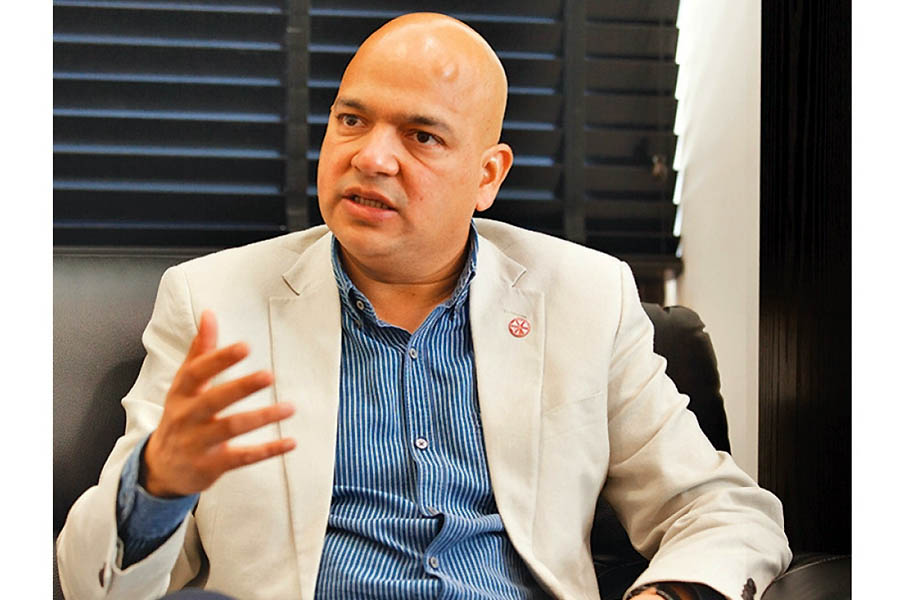
Golchha, a former president of the Federation of Nepalese Chambers of Commerce and Industry (FNCCI), was arrested in Kathmandu after authorities obtained a warrant from the Kathmandu District Court. The Central Investigation Bureau (CIB) confirmed that he is being investigated under multiple provisions of the Securities Act, 2007. The arrest marks a significant escalation in a case that regulators say could undermine confidence in Nepal's capital markets.
Total Exposure
NPR 3.8B+
Unpaid Dues
NPR 2.89B
Top Liability
Bhatt: 2.73B
Broker Debt
2.73B
Key Numbers:
- Shares purchased without payment: NPR 3.80 billion
- Shares sold: NPR 930.5 million
- Outstanding unpaid amount: NPR 2.89 billion
- Deepak Bhatt's unpaid obligation: NPR 2.73 billion
- Nepal Reinsurance price surge: NPR 1,461 → NPR 1,686
How the Scheme Worked: A System Built on Credit and Collusion
At the center of the investigation is businessman Deepak Bhatt, accused of orchestrating a complex network of illegal share transactions through Bhrikuti Stock Broking Company.
According to the Securities Board's investigation, shares worth NPR 3.80 billion were purchased by Bhatt without payment. Only NPR 930.5 million worth of shares were sold. An outstanding NPR 2.89 billion remains unpaid.
Authorities allege that Bhatt and his associates executed trades on credit, manipulated prices, and conducted transactions without settling payments – practices defined as "fictitious transactions" under the law.
Artificial Market Manipulation
The investigation found that the group created artificial demand in the stock market by executing large volumes of trades without actual fund transfers. This activity contributed to a sharp rise in share prices. For example, Nepal Reinsurance shares rose from NPR 1,461 to NPR 1,686 within weeks.
Regulators believe this was a deliberate attempt to mislead investors and distort the secondary market.
Network of Accused and Accomplices
The case involves a web of businessmen, institutions, and financial entities.
Key Accused:
- Deepak Bhatt
- Shubhi Agrawal
- Raj Bahadur Shah
- Rishiraj Mor
- Sandeep Chachan (CEO, Bhrikuti Stock Broking)
Named Accomplices:
- Shekhar Golchha
- Rohit Gupta
- Himalayan Reinsurance
- Himalayan Capserv
- HLI Large Cap Fund
- Himalayan Securities Banker
- Nepal Micro Insurance
Role of the Broker
Bhrikuti Stock Broking Company is accused of facilitating illegal credit-based trading by: allowing trades without advance deposits, crediting shares without payment, and failing to settle transactions with sellers.
Despite operating under a T+3 settlement system, the broker allegedly bypassed payment requirements entirely. Authorities have indicated that the firm could face suspension or revocation of its license.
Massive Financial Exposure
Amounts owed to the broker:
- Deepak Bhatt: NPR 2.73 billion
- Raj Bahadur Shah: NPR 897 million
- Shubhi Agrawal: NPR 628.9 million
- Rishiraj Mor: NPR 23 million
Amounts owed by the broker:
- Himalayan Reinsurance: NPR 2.73 billion
- Shekhar Golchha: NPR 525 million
- Rohit Gupta: NPR 525 million
- Himalayan Capserv: NPR 370 million
- HLI Large Cap Fund: NPR 251.4 million
- Himalayan Securities Banker: NPR 221.9 million
- Nepal Micro Insurance: NPR 161.75 million
Bhatt
2.73B
Shah
897M
Agrawal
628M
Mor
23M
Golchha's Defense
"Large-scale transactions had taken place, and funds from public companies were misused. This was not even presented to the board. The day I learned about it, I resigned."
Golchha has denied wrongdoing, stating that he resigned from his position as chairman of Himalayan Reinsurance immediately after learning of irregularities. He also claims he was not the ultimate beneficiary of the transactions.
Money Laundering Concerns
Authorities suspect that illicit funds may have been used in the transactions. The Department of Money Laundering Investigation has been asked to examine the assets of Bhatt and his associates. The case raises concerns about the use of "black money" in Nepal's stock market.
Systemic Red Flags
Investigators identified several alarming patterns:
- Multiple trading accounts operated from a single IP address
- Broker-controlled trading credentials
- Internal settlement of funds through netting systems
- Cross-trading between companies with shared ownership
These practices suggest coordinated manipulation and possible market "cornering."
Systemic Risks at a Glance
- Single IP multi-account trading
- Broker-controlled systems
- Fake settlements
- Money laundering risks
Legal Consequences
Under Nepal's Securities Act:
- Fines range from NPR 50,000 to NPR 150,000
- Prison terms of up to one year may apply
- Compensation for damages can be ordered
Regulators may also freeze investor accounts and ban individuals from future trading.
Broader Impact
The scale of the scandal—combined with alleged collusion among brokers, investors, and institutions—has raised serious concerns about regulatory oversight, transparency, and systemic risk in Nepal's financial markets.
Authorities have referred the case to Nepal Police's Central Investigation Bureau for further investigation, signaling that more arrests and enforcement actions may follow.
Conclusion
What began as suspicious trading activity has evolved into a full-scale financial scandal involving billions of rupees, elite business figures, and potential criminal liability.
As investigations deepen, the case is expected to test Nepal's regulatory institutions—and could reshape how its stock market operates for years to come.
Stay updated with the latest Nepal news on our Nepal Pulse Page.