30 April 2026 | Washington / Tehran / New York / London
NEW YORK – The price of war just keeps climbing.
Oil soared above $122 a barrel on Wednesday – the highest level since Russia invaded Ukraine in 2022 – as the US-Iran ceasefire stalemate ground into its 10th week with no resolution in sight. Brent crude spiked nearly 10% in a single day, tipping past $122 before settling around $120.
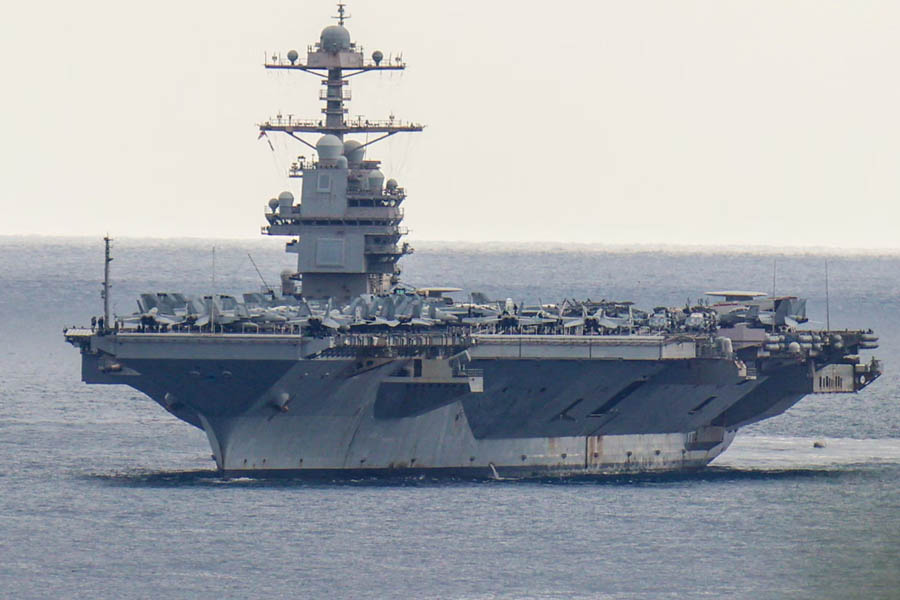
The world's largest aircraft carrier is finally heading home after a record 300-day deployment. Three American flattops remain in the region – a number not seen since 2003. And Donald Trump, the president who promised a 4-to-6-week war, is now preparing for months more.
"NO MORE MR. NICE GUY," Trump posted on social media alongside an AI-generated image of himself holding a weapon amid explosions. Iran, he said, "better get smart soon."
⚡ THE NUMBERS: $122+ Brent crude • 10% one-day surge • $25bn estimated US war cost • 300-day Ford deployment • 3 US carriers in region • Nearly 20M barrels/day lost
OIL'S PAINFUL CLIMB: "$200 BARRELS" LOOM?
Oil markets have been spooked this week as Trump appeared willing to maintain the US Navy blockade of Iranian ports, with Iran responding by keeping the Strait of Hormuz all but shut to other oil tankers. US-Iran talks set for Islamabad over the weekend failed to materialize. The stalemate grinds on.
Global oil supplies drop by nearly 20 million barrels every day the strait is choked off. Oxford Economics warned that a six-month impasse could send prices as high as $190 by August. In 2008, during the global financial crisis, oil briefly hit about $147. Two weeks after the US and Israel launched their first strikes on Iran, Tehran said the world needed to prepare for $200 barrels.
Paul Krugman, the former New York Times columnist, said he believed most analysts have been "far too sanguine" about the effects of a prolonged Hormuz crisis.
— Paul Krugman, former New York Times columnist
Beyond ramping up the cost of petrol, the effects of the supply shock have cascaded through the global economy. US inflation soared in March, with prices up 3.3% over the year. Across the Atlantic, Britain is facing a £35bn economic hit and the risk of a recession in 2026, a thinktank warned.
THE FORD'S LONG VOYAGE HOME: RECORD DEPLOYMENT ENDS
The world's largest aircraft carrier, the USS Gerald R Ford, will be heading home following a record-setting deployment of more than 300 days that included participating in the war against Iran and the capture of Venezuelan leader Nicolás Maduro.
The Ford will be leaving the Middle East in the coming days and returning to its home port in Virginia in mid-May. The arrival of the USS George HW Bush to the region last week meant three American aircraft carriers were deployed to the Middle East – a number not seen since 2003 – during a tenuous ceasefire in the Iran war.
This month, the Ford broke the US record for the longest post-Vietnam War deployment, a nearly 10-month span after leaving Naval Station Norfolk in June. The ship's 295th day at sea surpassed the previous longest deployment by an aircraft carrier in the past 50 years, when the Lincoln was sent out for 294 days in 2020 during the Covid pandemic.
But the long deployment has taken its toll. A fire in one of its laundry spaces forced the carrier to turn around and return to the Mediterranean Sea for repairs, leaving hundreds of sailors without places to sleep.
HEGSETH ON THE HILL: "SHAME ON YOU"
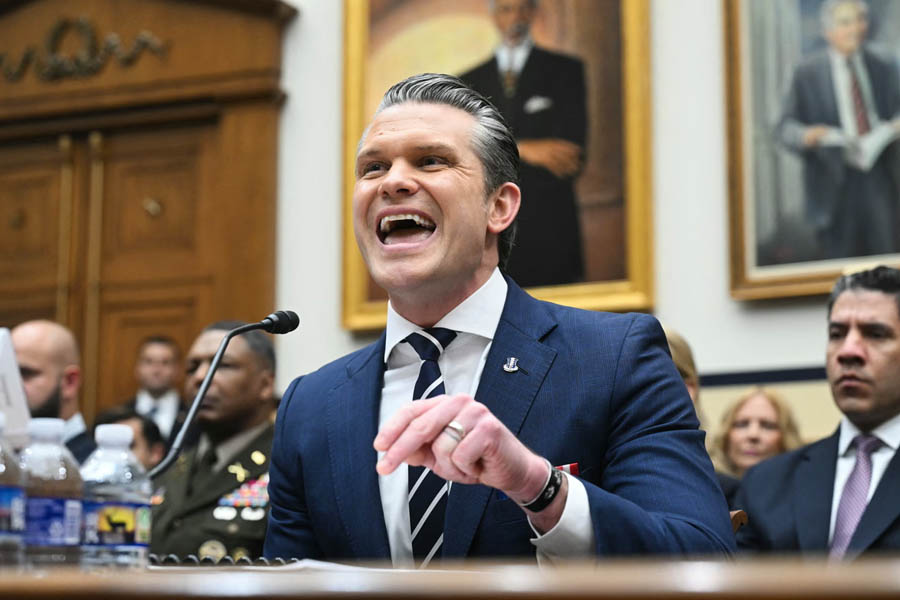
Defense Secretary Pete Hegseth came under pressure to set out Washington's strategy for the conflict as he appeared before the House armed services committee on Wednesday for a marathon hearing alongside General Dan Caine, chair of the Joint Chiefs of Staff.
The financial cost of the war continues to grow. Jules Hurst III, chief financial official for the Pentagon, told the committee that the estimated cost for the US is $25 billion and counting – mostly from munitions, operations, maintenance, and replacing equipment.
Hegseth denied that the war is "a quagmire" and claimed critics of the operation posed a greater threat to the US than Iran itself.
— Pete Hegseth, Defense Secretary
When California Democrat John Garamendi hammered Hegseth over the "astounding incompetence" that he argued had led to "political and economic disaster at every level," Hegseth shot back.
"Who are you cheering for here? Who are you pulling for?" Hegseth demanded. "Your hatred for President Trump blinds you to the truth of the success of this mission."
He added: "You call it a quagmire, handing propaganda to our enemies? Shame on you for that statement."
The hours-long hearing split along predictable partisan lines. Democrats pressed Hegseth on surging fuel costs and the economic damage from Iran's closure of the Strait of Hormuz. Republicans were largely supportive, with Nancy Mace – who had publicly questioned the war's justification as recently as late March – telling Hegseth she was "impressed with where we are today."
TRUMP AND PUTIN: A 90-MINUTE CALL
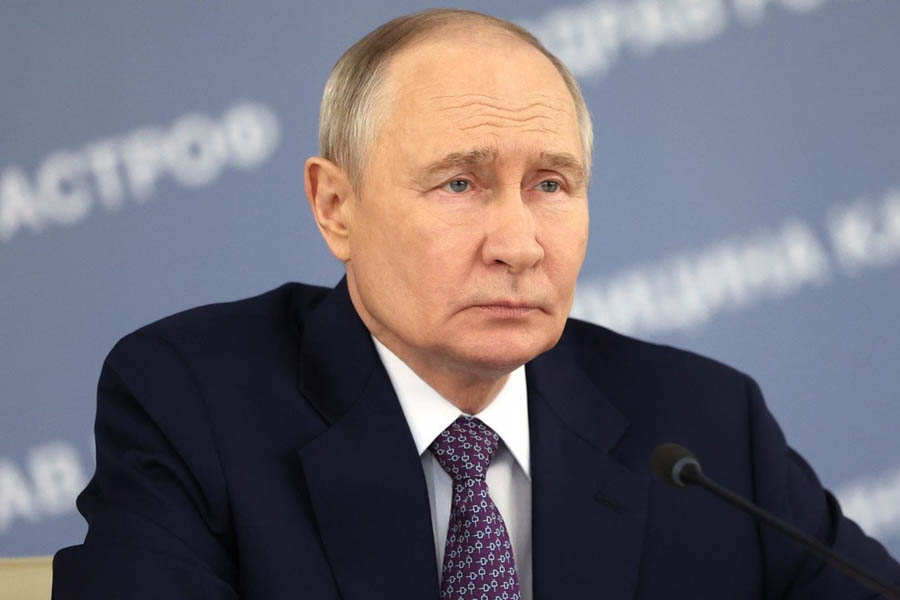
Vladimir Putin and Donald Trump discussed the war in Iran and floated a temporary ceasefire in Ukraine in a phone call that lasted more than 90 minutes on Wednesday.
Putin said Moscow viewed the prospect of a US ground operation in Iran as dangerous, while welcoming Trump's decision to extend a ceasefire in the region. Russia has largely been sidelined in diplomacy over the war in Iran, an ally of the Kremlin, but western intelligence agencies say Moscow has continued to provide support, including intelligence and drones to strike US targets in the area.
"We had a very good conversation," Trump said. "I've known him a long time."
Trump said Putin offered his help to take Iran's buried uranium to Russia, but Trump said he preferred for the Russian president to be "involved with ending the war in Ukraine."
Putin also told Trump that Russian forces retained the initiative and were pushing back Ukrainian positions. Military analysts and open-source information on battlefield advances, however, indicate neither side appears close to a breakthrough.
WHAT COMES NEXT?
The war is about to enter its 10th week. Trump's initial projection of a 4-to-6-week conflict before Tehran would buckle has proven wildly optimistic. Three American aircraft carriers remain in the Middle East. The Strait of Hormuz is all but closed. And oil is above $120.
Trump told the Axios news website that he stands prepared to keep Iran under a naval blockade until a deal is reached – raising the prospect of a prolonged conflict. Russia remains sidelined. Congress remains divided. And the world watches, waiting for a resolution that seems no closer than it was 10 weeks ago.
"NO MORE MR. NICE GUY," Trump posted. The question is whether Iran believes him.
Stay updated with the latest world headlines on our World Headlines Page.