6 May 2026 | London / New York / Dubai
LONDON – The oil market just lost $12 a barrel in a single day. And the world breathed a sigh of relief.
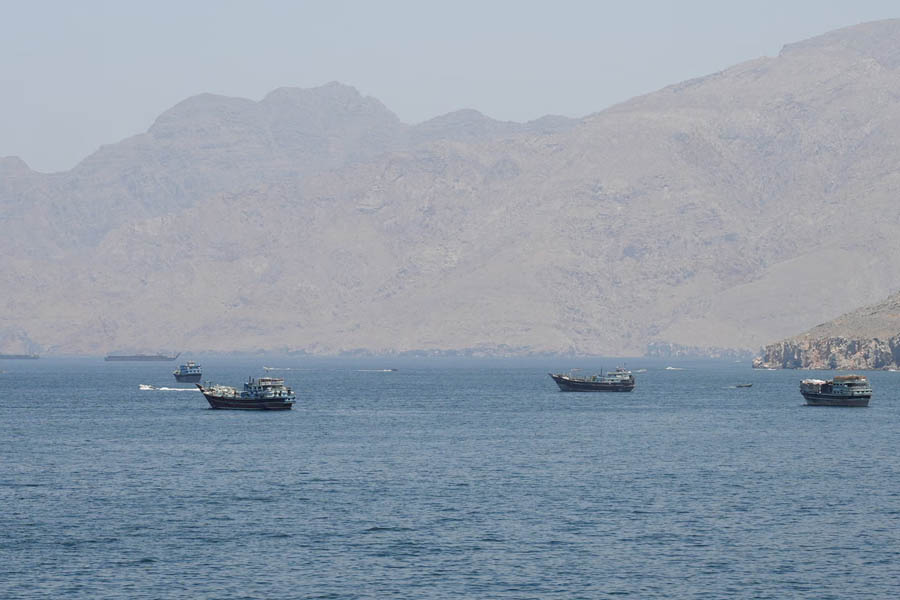
Brent crude plunged nearly 11% on Wednesday, tumbling below $98 a barrel – its lowest level since 22 April – after Iran's Islamic Revolutionary Guard Corps (IRGC) navy announced that the Strait of Hormuz could reopen following the end of "threats from aggressors." US West Texas Intermediate crude fell 11.3% to $90.74 a barrel.
European gas prices also slid. The benchmark Dutch front-month contract fell nearly 12% earlier and was down 8.6% at €42.91 per megawatt hour. The British June gas contract fell 8.5% to 105.15p per therm.
⚡ THE NUMBERS: Brent crude: $97.48 (-11%) • WTI: $90.74 (-11.3%) • Dutch gas: -8.6% • UK gas: -8.5% • Lowest oil since April 22 • $12 drop in a single day
"Peace Dividend" Sweeps Markets as Iran Signals Reopening
Reuters reported, citing a Pakistani source, that the US and Iran are getting closer to an initial peace deal. The news triggered a wave of "risk-on" trading across financial markets as investors priced in a "peace dividend" across the board, according to David Morrison, senior market analyst at Trade Nation.
"There have been no further details concerning what may be included in the memo. But hopes are high that the Strait of Hormuz may soon be reopened, and preferably without Tehran insisting on a toll for shipping passing through."
In a series of posts on social media in Persian and English, the IRGC navy thanked captains and shipowners in the Gulf for "complying with Iran's Strait of Hormuz regulations and contributing to regional maritime security." It added: "With aggressor's threats neutralised and new protocols in place, safe [and] stable passage through [the strait] will be ensured."
— David Morrison, Trade Nation
The Catch: "Normalization Could Take Months"
But analysts warn that even if a deal is reached, the road to normalcy will be long. Surging energy costs have already begun to create demand destruction globally. And even if the strait reopens, normalization in shipping and trade flows could take months.
Oil inventories are not critically low, but uneven distribution and declining buffers continue to raise concerns about localized shortages. For shipping companies and insurers, trust has been broken. Even if the US declares the strait open, many vessels will remain hesitant.
Equinor Profits Surge: $9.77bn Windfall from War
While consumers celebrate lower oil prices, energy companies are counting their profits. The UK's biggest gas supplier, Equinor, posted a larger-than-expected surge in profits as households brace for a hike in energy bills this summer.
The ongoing conflict in the Middle East helped Norway's state-owned oil company to a profit of $9.77bn for the first quarter of this year – its highest quarterly earnings since 2023, when Russia's invasion of Ukraine triggered a surge in gas market prices.
Equinor's adjusted earnings are well above the $8.65bn reported in the same quarter last year and easily beat City analyst forecasts for $9bn. The company took advantage of higher market prices and also pumped record amounts of gas since the US-Israeli war with Iran and the closure of the Strait of Hormuz strangled the flow of Middle Eastern oil and gas from the Gulf to global markets.
Equinor expects the disruption to last well beyond any end to hostilities. CEO Anders Opedal told public broadcaster NRK: "Even if there were to be peace now, it would take some time, and we think maybe a minimum of six months before the situation normalises."
Tessa Khan, executive director of Uplift, which campaigns against fossil fuels, accused the company of "raking in huge profits from a conflict that's pushing up bills for everyone else. Like BP last week, these are unearned windfall profits driven by Trump's war with Iran."
Eurozone Slips into Decline: Stagflation Looms
Service industries in the eurozone shrank in April for the first time in almost a year as exports worsened amid the Middle East war. The purchasing managers' index (PMI) from S&P Global slumped to a 62-month low of 47.6 last month from 50.2 in March.
The composite survey points to stagflation in the eurozone at the start of the second quarter, as the first decline in private sector business activity since December 2024 came alongside the sharpest rise in prices charged in three years.
Chris Williamson, chief business economist at S&P Global Market Intelligence, said: "The final eurozone PMI data confirm the earlier signs of an economy slipping into decline during April as the ongoing war in the Middle East derails the recovery that had been building prior to the outbreak of the conflict."
📊 MARKET MOVERS
- Brent crude: $97.48 (-11%) • Lowest since April 22
- WTI crude: $90.74 (-11.3%)
- Dutch gas: €42.91 (-8.6%)
- UK gas: 105.15p/therm (-8.5%)
- Equinor Q1 profit: $9.77bn (beat forecasts)
- Eurozone PMI: 47.6 (62-month low)
- UK graduate vacancies: -34.9% year-on-year
- Next sales (Q1): +4.4% (vs forecast +1.3%)
UK Jobs Market: Graduate Vacancies Slump 35%
UK job vacancies bounced back in March but remained near a five-year low, and openings for graduates slumped more than a third. Graduate vacancies for entry-level jobs were down 34.9% year on year to 10,667.
Competition has eased a tad: the number of jobseekers per vacancy fell to 2.29 from 2.40, though it was still sharply higher than a year ago (1.81).
April's national insurance increase for employers and the rise in the national living wage have added to hiring costs. At the same time, global trade uncertainty – driven by US tariff policy and the war in the Middle East – has added a further layer of hesitation for employers in export-facing sectors, Adzuna said.
There is one bright spot: wages continue to grow. Average advertised salaries hit £44,327 in March, up 0.55% month-on-month and 4.93% annually, continuing to outpace inflation. London's average advertised salary broke through £50,000 for the first time.
Next Bumps Sales Forecast, Will Raise Middle East Prices
Next has revealed far stronger sales than expected in the UK in the three months to the end of April – up 4.4% instead of the 1.3% predicted – thanks to bumper sales during warm weather in February and March.
The company said it now expects full-year sales to rise by 5%, including 1% growth in the UK where it anticipates prices will rise by no more than 0.6% as a result of higher costs linked to the Middle East conflict.
Outside the UK, it still expects strong growth but it will put prices up in the Middle East to offset higher costs of transport and energy linked to the conflict. Next said it expected an additional £20m of costs to the UK business from higher freight, fuel and energy costs while the cost of delivering to the Middle East is expected to rise by £17m, with other overseas costs rising by a further £10m. Overseas costs will be offset by putting prices up by as much as 8% in the Middle East.
The retailer added £8m to its full-year profit expectations, taking the total to just over £1.2bn.
Reach Plc: Digital Revenues Slump 8% as AI Disrupts News
The publisher of the Daily Mirror and Daily Express has suffered its biggest slump in digital revenues in more than two years, as online readership continues to plunge due to algorithm changes made by Google as the AI revolution gathers pace.
Reach, which also owns more than 100 regional titles, reported that digital revenues slumped by 8.1% in the first three months of the year – the biggest since an 8.5% decline in Q1 2024. Overall, total group revenue fell by 6.9%, with print revenue declining 6.6%.
The performance of Reach provides a stark, almost real-time insight into the existential crisis facing news publishers as big tech companies harness AI. Google referrals make up around 35% of Reach page views. Around a fifth of traffic comes from users directly visiting Reach sites, while referrals from social media grew by 21% last year and now account for 27% of traffic.
Ryanair's O'Leary: Ban Airport Alcohol Before Morning Flights
Airports should be banned from serving alcohol to passengers before early morning flights, Ryanair boss Michael O'Leary has said, adding that the measure would reduce the number of passengers who were disruptive onboard aircraft.
O'Leary said Ryanair was being forced to divert an average of nearly one flight a day because of bad behaviour onboard – up from one a week a decade ago.
"It's becoming a real challenge for all airlines. I fail to understand why anybody in airport bars is serving people at five or six o'clock in the morning. Who needs to be drinking beer at that time?" he told the Times.
Airside bars in the UK are not required to follow restrictions on opening hours that apply to other venues selling alcohol. "There should be no alcohol served at airports outside [those] licensing hours," O'Leary said.
What Comes Next?
The oil market has priced in peace. But peace has not yet arrived. The Strait of Hormuz remains closed. Iran's IRGC has signaled reopening, but the details are vague. The US and Iran are reportedly closer to a deal – but "closer" is not "done."
For now, investors are celebrating. Oil is down. Gas is down. Markets are up. But analysts warn that the rally could be short-lived if diplomatic progress stalls.
One thing is certain: after months of $100+ oil, any relief is welcome. And for the 23,000 mariners still stranded in the Gulf, the promise of safe passage cannot come soon enough.
Stay updated with the latest global markets headlines on our Global Markets Page.