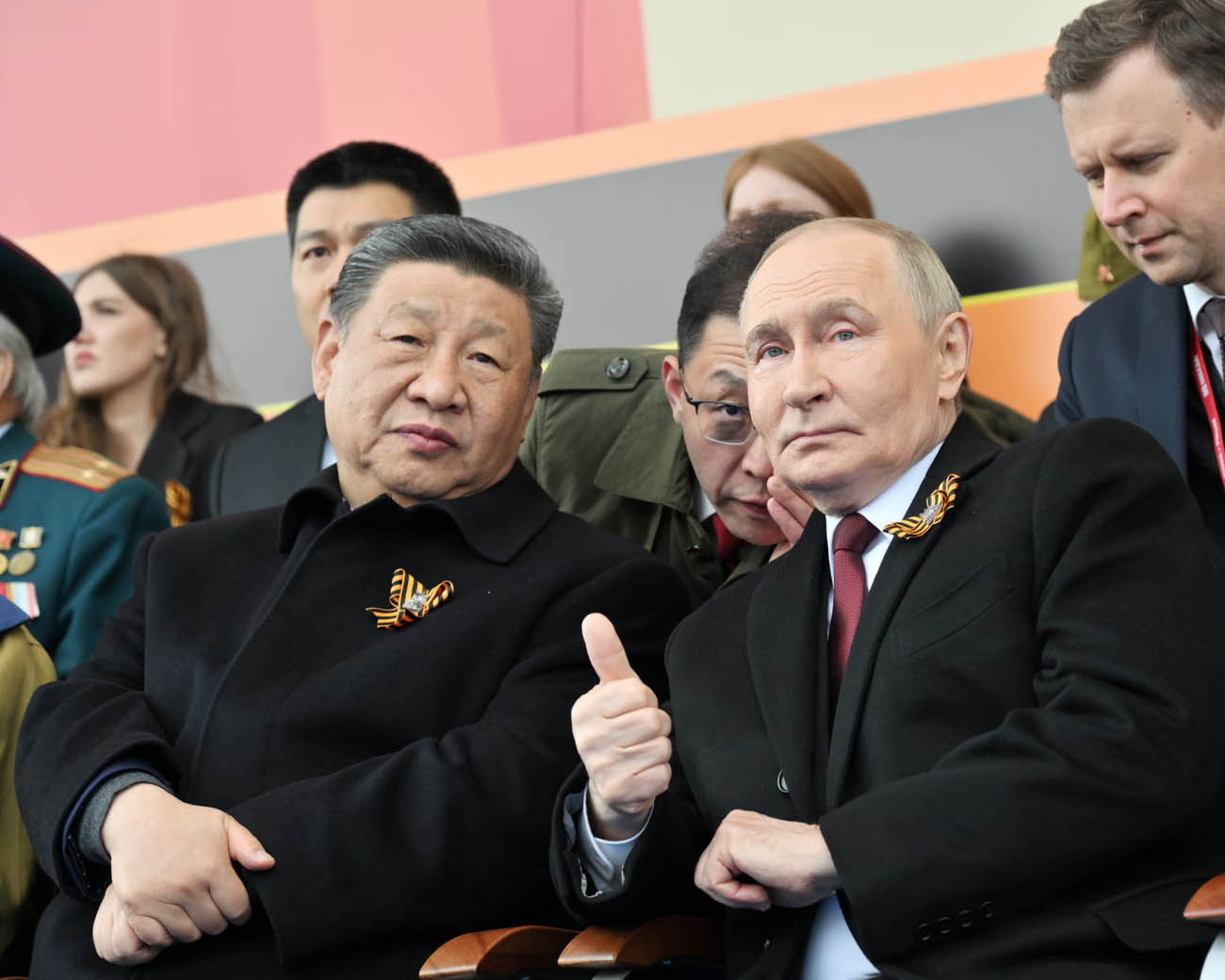
19 May 2026 | Beijing & Moscow — Updated 20:45 GMT
BEIJING/MOSCOW – Russian President Vladimir Putin is set to arrive in Beijing on May 19 for a high-stakes two-day state visit hosted by Chinese President Xi Jinping, as Moscow and Beijing prepare to deepen what both sides describe as an “unprecedented” strategic partnership amid shifting global power dynamics.
The Kremlin confirmed that Putin will travel to China with a powerful delegation that includes senior ministers, top Kremlin officials, state corporation chiefs, and Central Bank Governor Elvira Nabiullina. The visit comes as Russia and China mark the 25th anniversary of the Treaty of Good-Neighborliness, Friendship and Cooperation — a cornerstone agreement that has transformed bilateral relations over the past two decades.
⚡ VISIT AT A GLANCE: Putin arrives in Beijing on May 19 • Around 40 bilateral agreements expected • Power of Siberia 2 pipeline on agenda • Russia-China strategic partnership marks 25 years • Xi and Putin expected to issue joint declaration on a “multipolar world” • Visit follows Donald Trump’s recent China summit.
Putin-Xi Summit Signals New Stage in Global Power Politics
Kremlin aide Yury Ushakov said Putin and Xi will hold both one-on-one and expanded-format negotiations focused on “the most important and sensitive issues” in bilateral relations, alongside major international developments.
According to the Kremlin, approximately 40 agreements are expected to be signed during the visit, including a major joint statement aimed at deepening the comprehensive strategic partnership between Moscow and Beijing.
The two leaders are also expected to adopt a separate declaration supporting a “multipolar world” and what Russian officials call “a new type of international relations” — language widely interpreted as a challenge to Western-led global structures.
— Yury Ushakov, Kremlin aide
The Kremlin strongly denied speculation that the timing of the summit was linked to recent US-China diplomatic contacts, insisting preparations for Putin’s trip had begun months earlier after a February video call between Xi and Putin.
Xi Hosts Putin Days After Donald Trump Leaves Beijing
The Putin visit comes just four days after US President Donald Trump concluded a closely watched summit in Beijing, where he discussed Taiwan, Iran, trade relations, and Middle East tensions with Xi Jinping.
Chinese state media described Beijing as “fast emerging as the focal point of global diplomacy” after hosting the leaders of both the United States and Russia within a single week — an extraordinarily rare geopolitical moment in the post-Cold War era.
Xi and Putin exchanged congratulatory letters ahead of the visit, with Xi stating that Russia-China cooperation had “continuously deepened and solidified” over recent years.
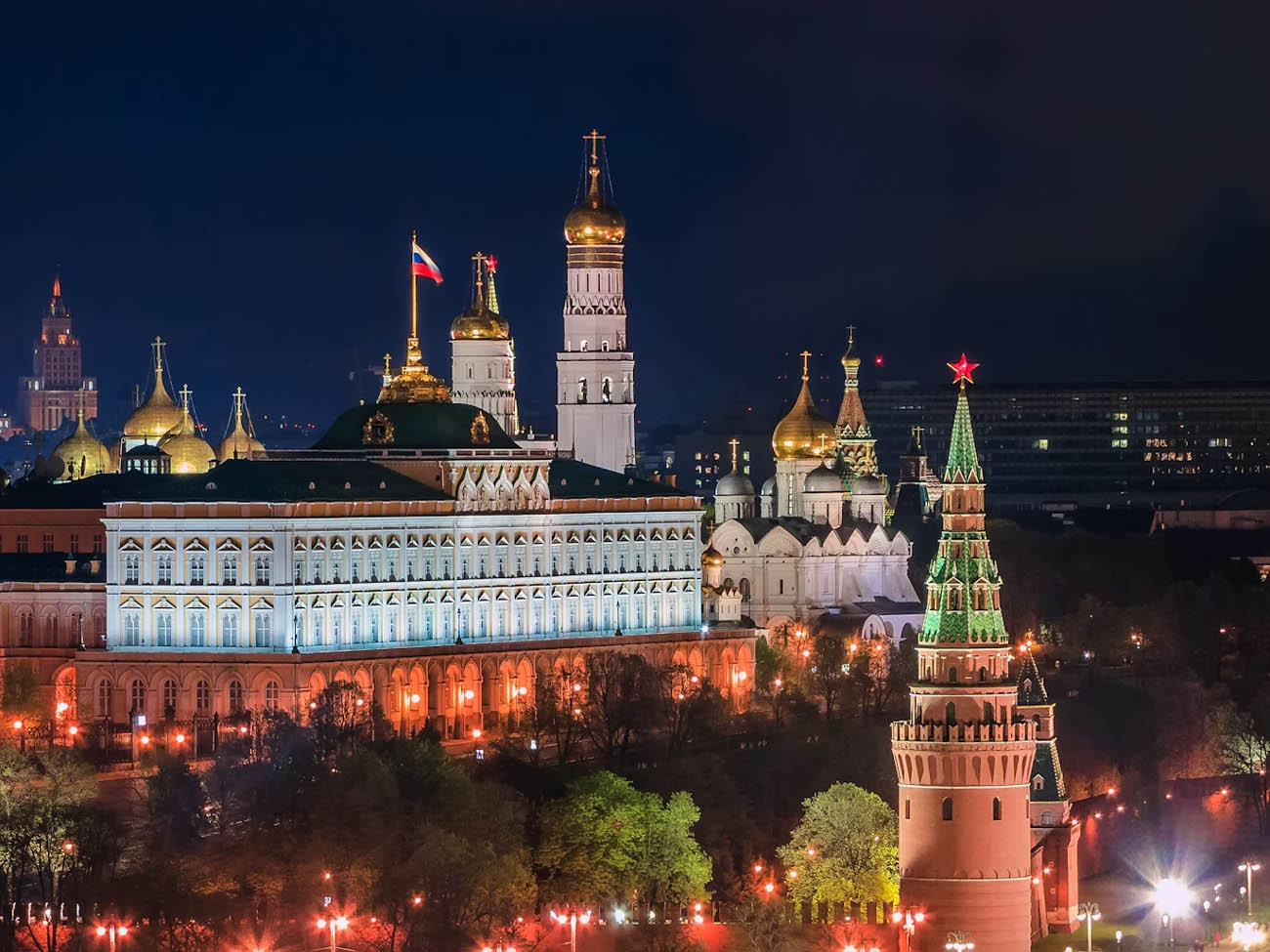
Energy Security and Power of Siberia 2 Pipeline Take Center Stage
One of the most closely watched elements of the summit will be discussions surrounding the proposed Power of Siberia 2 gas pipeline — a massive infrastructure project that would allow Russia to export an additional 50 billion cubic meters of natural gas annually to China.
Analysts believe Beijing is increasingly interested in securing long-term Russian fossil fuel supplies amid rising instability in the Middle East and concerns over global shipping vulnerabilities.
Since Russia’s invasion of Ukraine in 2022, China has dramatically expanded imports of Russian oil, gas, and coal. China now purchases more than one-quarter of Russia’s exports, helping Moscow offset Western sanctions and maintain critical wartime revenues.
According to data from the Centre for Research on Energy and Clean Air, Beijing has purchased more than $367 billion worth of Russian fossil fuels since the beginning of the Ukraine conflict.
📊 RUSSIA–CHINA PARTNERSHIP — KEY NUMBERS
- Expected agreements to be signed: Around 40
- Years since friendship treaty: 25 years
- Xi-Putin meetings since 2013: More than 40
- Value of 2014 gas agreement: $400 billion
- Projected Power of Siberia 2 capacity: 50 billion cubic meters annually
- China’s purchases of Russian fossil fuels since 2022: $367 billion+
- Russia-China bilateral trade growth: From $87bn to $185bn over a decade
Ukraine War Continues to Shape Global Alliances
The strengthening Moscow-Beijing relationship has alarmed Western governments, particularly after China maintained strong economic and diplomatic support for Russia following the full-scale invasion of Ukraine.
Western diplomats argue that Chinese purchases of Russian crude oil and natural gas have supplied Moscow with hundreds of billions of dollars needed to sustain military operations.
Despite these tensions, neither the Ukraine war nor the Sino-Russian partnership appeared to dominate Trump’s discussions with Xi last week. Instead, talks reportedly focused heavily on Taiwan, trade disputes, and the conflict in the Middle East.
Xi reportedly warned Trump about the dangers of mishandling Taiwan, while Trump left Beijing without confirming whether the United States would proceed with a multibillion-dollar weapons package for Taipei.
— Joseph Webster, Atlantic Council senior fellow
A Decade of Xi-Putin Diplomacy
Since Xi Jinping assumed office in 2013, relations between Russia and China have evolved into one of the world’s most significant geopolitical partnerships.
Russia became Xi’s first foreign destination after taking office in 2013, signaling Beijing’s strategic priorities early in his leadership.
Major milestones followed, including the landmark 2014 $400 billion gas deal between Gazprom and China’s CNPC, Xi’s attendance at Moscow’s Victory Day celebrations in 2015, and the 2022 declaration of a “no limits” partnership between the two countries.
Both leaders have repeatedly framed their relationship as a stabilizing force against what they describe as Western dominance in global affairs.
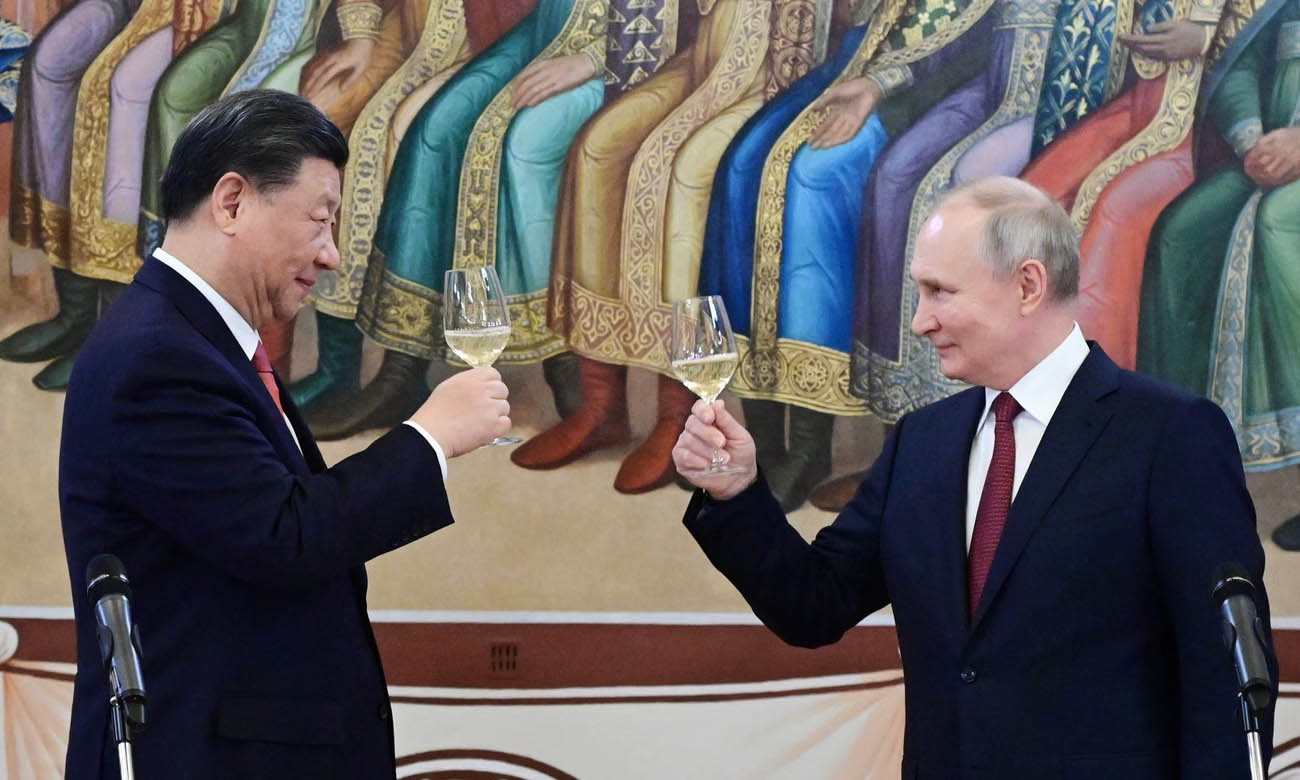
China Emerges as Diplomatic Power Center
The rapid succession of Trump’s and Putin’s visits has reinforced perceptions that Beijing is increasingly positioning itself as a central player in global diplomacy.
The Chinese state-affiliated Global Times described the back-to-back summits as evidence that China is becoming “the focal point of global diplomacy” at a time of intensifying geopolitical fragmentation.
Analysts believe Beijing is leveraging its ties with both Washington and Moscow to strengthen its influence over global trade, energy security, and international governance structures.
For Russia, the visit underscores the Kremlin’s pivot toward Asia amid continuing isolation from much of the West. For China, the summit reflects Beijing’s ambition to build an alternative global network centered on strategic autonomy, energy security, and multipolar diplomacy.
🌍 Russia-China Summit: Q&A / Vizual Guide
❓ Why is Putin visiting China now?
The visit marks the 25th anniversary of the Russia-China Treaty of Good-Neighborliness, Friendship and Cooperation. It also comes amid rising geopolitical tensions involving the US, Taiwan, Ukraine, and global energy security.
❓ What is the Power of Siberia 2 pipeline?
Power of Siberia 2 is a proposed mega gas pipeline that would transport an additional 50 billion cubic meters of Russian natural gas annually to China, significantly strengthening Beijing’s long-term energy security.
❓ Why are Western countries concerned about Russia-China ties?
Western governments argue that China’s economic and energy purchases have helped Russia withstand sanctions and sustain its military operations in Ukraine since 2022.
❓ How many times have Xi and Putin met?
Xi Jinping and Vladimir Putin have met more than 40 times since Xi took office in 2013, making it one of the most active personal diplomatic relationships among world leaders.
❓ What does “multipolar world” mean?
The term refers to a global order where power is shared among multiple major countries rather than dominated by a single superpower. Russia and China frequently use the phrase when criticizing Western influence.
📈 RUSSIA–CHINA TRADE GROWTH
$87bn
2013
$185bn
2023+
Russia-China trade has more than doubled during the Xi-Putin era.
⏳ MAJOR PUTIN-XI MILESTONES
Read more international diplomacy updates on our World Headlines Page.