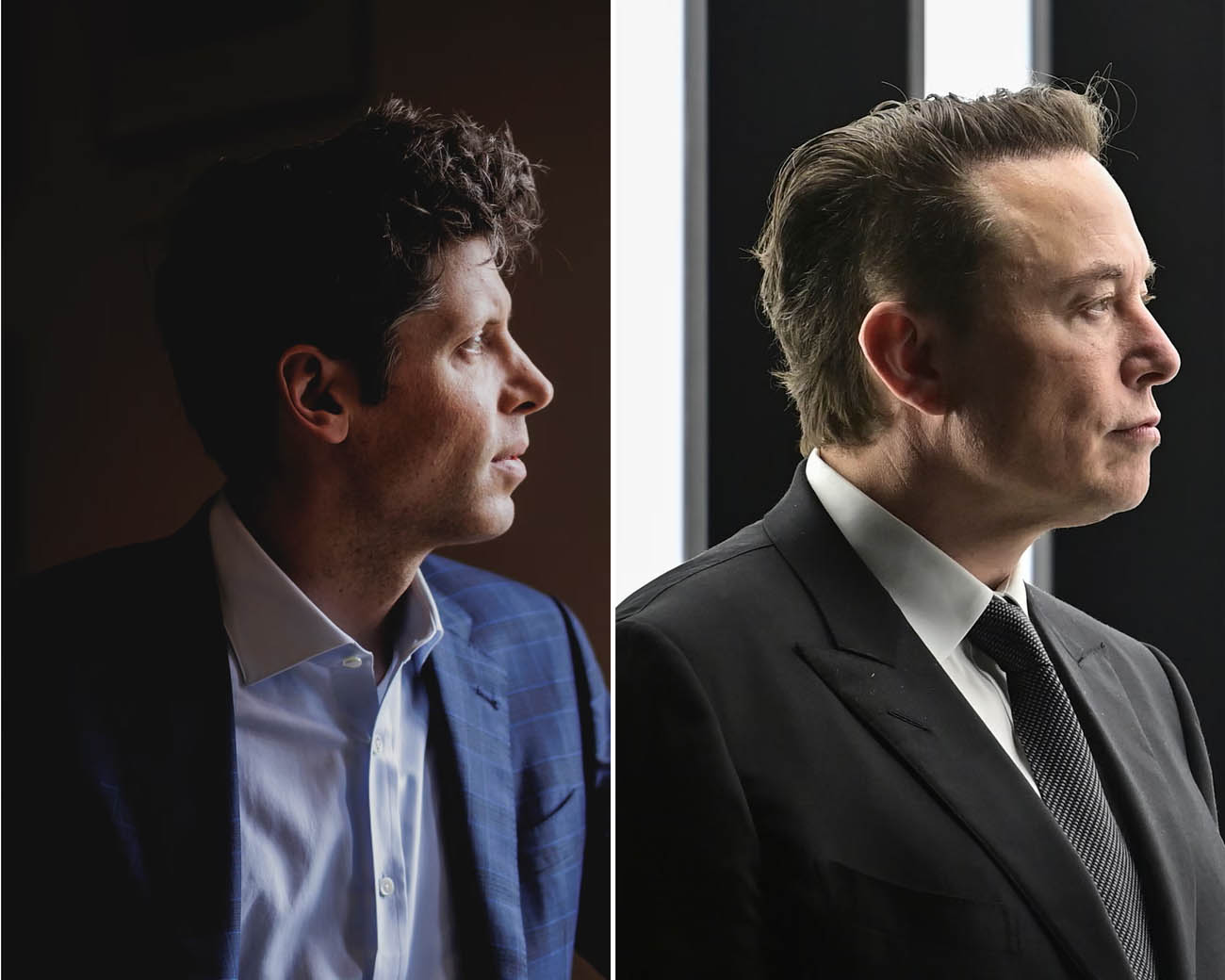
18 May 2026 | Oakland, California — Updated 22:15 GMT
OAKLAND – A federal jury has handed Sam Altman and OpenAI a resounding victory in their bitter legal war with Elon Musk, finding the world's richest man failed to prove his claims that the AI startup broke a founding contract and "stole a charity." The verdict — delivered after less than two hours of deliberation — caps one of the most closely watched trials in tech history.
The nine-person jury in Oakland found Altman, OpenAI president Greg Brockman, and the company itself not liable for Musk's allegations of breach of charitable trust and unjust enrichment. Microsoft, which Musk had accused of aiding and abetting Altman, was also cleared. The jury determined that Musk's 2024 lawsuit was filed outside the statute of limitations, with key events dating back to 2017 — well beyond the three-year window to bring his claims.
⚡ VERDICT AT A GLANCE: Jury deliberated less than 2 hours • Musk sought $134bn • Microsoft also cleared • Judge immediately agreed with jury • Musk vows appeal to Ninth Circuit • OpenAI path clear to go public at ~$1tn valuation.
'Stories, Not Facts': OpenAI Lead Attorney's Stinging Rebuke
Outside the courthouse, OpenAI's lead attorney, William Savitt, delivered a pointed response. "Mr Musk can tell his stories," Savitt said. "What the jury found today is just that: Stories, not facts." He added that the verdict was "not a technical decision; it's a substantive one," rejecting Musk's lawyers' framing of the outcome as merely procedural.
The jury's finding was technically a non-binding, advisory verdict, leaving Judge Yvonne Gonzalez Rogers with ultimate authority to issue her own ruling. But Gonzalez Rogers immediately said she would agree with the jury's decision and dismissed Musk's claims. "I think there's a substantial amount of evidence to support the jury's finding, which is why I was prepared to dismiss on the spot," she told Musk's attorney after the verdict.
In a gracious gesture, Gonzalez Rogers gave each juror a small pocket constitution that she signed, dated, and inscribed with the words: "Thank you for your service."
— William Savitt, lead attorney for OpenAI
Musk Fires Back: 'I Will Appeal – This Creates a Dangerous Precedent'
Within hours of the verdict, Musk took to X (formerly Twitter) to announce his intention to appeal to the Ninth Circuit Court of Appeals.
"Regarding the OpenAI case, the judge & jury never actually ruled on the merits of the case, just on a calendar technicality," Musk wrote. "There is no question to anyone following the case in detail that Altman & Brockman did in fact enrich themselves by stealing a charity. The only question is WHEN they did it!"
"I will be filing an appeal with the Ninth Circuit, because creating a precedent to loot charities is incredibly destructive to charitable giving in America," he added.
Musk's attorneys, Steven Molo and Marc Toberoff, framed the case as having proved a point regardless of the loss. Molo claimed the testimony was "valuable for the world to see" and insisted the jury's decision was a "technical" one — a characterization OpenAI's lawyers forcefully rejected.
Neither Musk, Altman nor Brockman were present in court for the verdict.
The Battle at the Core: Charity vs For-Profit
At the heart of the case was a fundamental question: Did Sam Altman betray Elon Musk and the founding mission of OpenAI?
Musk's lawsuit sought $134bn to be redistributed from OpenAI's for-profit arm to its non-profit. It also demanded the removal of Altman and Brockman from their leadership roles and the undoing of the company's for-profit restructuring. Musk accused Altman of swindling him into co-founding OpenAI in 2015 as a non-profit dedicated to benefiting humanity — only to later twist it for personal gain.
OpenAI rejected all claims, arguing that Musk was always aware of plans to create a for-profit entity. The company's attorneys painted a different picture: Musk, they said, was motivated by jealousy after failing to take over OpenAI in 2018, leaving the company shortly after. They emphasized that OpenAI remains overseen by its non-profit organization and remains committed to what it calls "the mission" — helping the world with its technology.
One of the key legal arguments turned on timing. OpenAI successfully argued that Musk was well aware of the company's plans to pursue a for-profit structure as early as 2017, meaning his 2024 lawsuit fell outside California's three-year statute of limitations for such claims.
📊 OPENAI TRIAL – KEY NUMBERS & FACTS
- Jury deliberation time: Less than 2 hours
- Trial duration: 3 weeks
- Musk sought: $134bn
- OpenAI potential valuation: ~$1tn (if IPO proceeds later this year)
- Statute of limitations: 3 years in California
- Key year in dispute: 2017 (when OpenAI argues Musk knew of for-profit plans)
- Lawsuit filed: 2024
- Jury size: 9 persons
Silicon Valley's Biggest Names Take the Stand
The three-week trial featured testimony from some of Silicon Valley's most prominent executives. Musk, Altman, Brockman and Microsoft CEO Satya Nadella all took the stand, at times facing combative cross-examinations in the Oakland courtroom.
Lawyers for both sides presented stacks of private texts, emails and other internal documents to build competing narratives of OpenAI's founding — specifically, when each party became aware of the company's for-profit plans. The trial delivered a rare behind-the-scenes look at OpenAI's fractious history and the fight between two of the industry's biggest names.
Although the verdict was a victory for Altman, the case made public many unflattering details and episodes involving both moguls. Neither emerged from the courtroom with their reputations entirely unscathed.
A Microsoft spokesperson welcomed the outcome. "The facts and the timeline in this case have long been clear, and we welcome the jury's decision to dismiss these claims as untimely," the spokesperson said in a statement.
What Comes Next: IPO Path Cleared, Appeal Looms
The verdict provides OpenAI with a clear path ahead to pursue going public later this year at what analysts estimate could be a roughly $1tn valuation. The remedies portion of the case — which would have determined what OpenAI would owe Musk had the jury found liability — was canceled immediately after the verdict.
But Musk's promised appeal to the Ninth Circuit means the legal battle may not be over. The appeal could take months or years to resolve, and Musk has both the resources and the determination to pursue it. However, legal experts note that appellate courts typically defer to jury findings on questions of fact — and the statute of limitations argument that won the day is a legal question that could be reviewed.
For now, Sam Altman and OpenAI have secured a decisive victory. The jury, after hearing weeks of testimony from Silicon Valley's biggest names and reviewing hundreds of pieces of evidence, concluded that Musk waited too long to bring his claims. Whether that counts as a "technicality" or a "substantive" finding — as both sides now dispute — may itself become the next battleground.
🔍 OpenAI vs Elon Musk Trial: Q&A / Vizual Guide
❓ What did Elon Musk accuse Sam Altman and OpenAI of doing?
Musk alleged that Altman and OpenAI broke a founding contract when they restructured the company into a for-profit entity. He claimed Altman "swindled" him into co-founding OpenAI in 2015 as a non-profit to benefit humanity, then twisted it for personal gain — essentially "stealing a charity."
❓ What was the jury's verdict?
The nine-person jury found Altman, OpenAI president Greg Brockman, and OpenAI itself not liable for Musk's claims. Microsoft was also cleared. The jury determined that Musk's 2024 lawsuit was filed outside California's three-year statute of limitations.
❓ How long did the jury deliberate?
Less than two hours — an extraordinarily short deliberation for a three-week trial involving hundreds of exhibits and testimony from Silicon Valley's most prominent executives.
❓ What did Judge Yvonne Gonzalez Rogers do after the verdict?
The jury's verdict was technically advisory. But Judge Gonzalez Rogers immediately said she would agree with the jury's decision and dismissed Musk's claims. She told Musk's lawyer: "I think there's a substantial amount of evidence to support the jury's finding." She also gave each juror a signed pocket constitution reading "Thank you for your service."
❓ How much money was Musk seeking?
Musk's lawsuit sought $134bn to be redistributed from OpenAI's for-profit arm to its non-profit. He also demanded the removal of Altman and Brockman from their roles and the undoing of OpenAI's for-profit restructuring.
❓ Why did the jury rule against Musk on statute of limitations grounds?
OpenAI successfully argued that Musk was well aware of the company's plans to pursue a for-profit structure as early as 2017. California law gives plaintiffs three years to file such claims. Musk filed his lawsuit in 2024 — more than seven years after the key events.
❓ Who testified during the trial?
Elon Musk, Sam Altman, Greg Brockman, and Microsoft CEO Satya Nadella all took the stand. The trial also featured testimony from current and former OpenAI executives, as well as academic experts on non-profit law and corporate governance.
❓ What was OpenAI's defense?
OpenAI argued that Musk was always aware of for-profit plans, that he left the company after failing to take it over in 2018, and that his lawsuit was motivated by jealousy. The company maintained it remains overseen by its non-profit and committed to its mission of helping humanity.
❓ What did OpenAI's lead attorney say after the verdict?
William Savitt said: "Mr Musk can tell his stories. What the jury found today is just that: Stories, not facts." He called the verdict "not a technical decision; it's a substantive one," rejecting Musk's framing of the outcome.
❓ What did Musk say after losing?
Musk tweeted that he would appeal to the Ninth Circuit, writing: "The judge & jury never actually ruled on the merits of the case, just on a calendar technicality... I will be filing an appeal with the Ninth Circuit, because creating a precedent to loot charities is incredibly destructive to charitable giving in America."
❓ Was Microsoft involved in the case?
Yes. Musk accused Microsoft of "aiding and abetting" Altman. The jury found Microsoft not liable. A Microsoft spokesperson said: "The facts and the timeline in this case have long been clear, and we welcome the jury's decision."
❓ What happens to OpenAI now?
The verdict clears a major legal obstacle for OpenAI to pursue going public later this year at an estimated valuation of roughly $1tn. The remedies portion of the case — which would have determined what OpenAI owed Musk — was canceled.
❓ Will there be an appeal?
Musk has vowed to appeal to the Ninth Circuit Court of Appeals. Legal experts note that appellate courts typically defer to jury findings on questions of fact, but the statute of limitations question is a legal issue that could be reviewed. An appeal could take months or years.
❓ Were Altman or Musk present for the verdict?
Neither Elon Musk, Sam Altman nor Greg Brockman were present in court when the verdict was read.
❓ What was the most dramatic moment of the trial?
Both Musk and Altman faced hours of combative cross-examination, with each being painted as untrustworthy by opposing counsel. Private texts and emails between Silicon Valley's biggest names became public, revealing the fractured history of OpenAI's founding and the personal animosity between two of tech's most powerful figures.
📅 OPENAI VS MUSK – CASE TIMELINE
⚖️ MUSK'S ASKS VS. VERDICT REALITY
❌ Musk Sought:
- $134bn from OpenAI
- Removal of Altman & Brockman
- Undo for-profit restructuring
- Find Microsoft liable
✅ Verdict Delivered:
- $0 awarded to Musk
- Altman & Brockman remain
- For-profit structure stands
- Microsoft fully cleared
👥 WHO TESTIFIED – SILICON VALLEY'S BIGGEST NAMES
📈 OPENAI VALUATION – PATH TO $1 TRILLION
Note: IPO now possible after legal obstacles cleared
🔜 WHAT COMES NEXT – LEGAL ROADMAP
Stay updated with the latest tech trends on our Tech Trends Page.