13 May 2026 | Beijing / Washington / San Francisco
BEIJING, China – Artificial intelligence, semiconductor dominance, fentanyl trafficking, tariffs, and Taiwan are colliding at one of the most politically charged US-China summits in years.
Nvidia chief executive Jensen Huang joined President Donald Trump’s high-profile delegation to China after what reports described as a last-minute invitation, placing the AI chip billionaire at the centre of Washington’s increasingly aggressive technology diplomacy with Beijing.
Huang, whose company Nvidia sits at the heart of the global artificial intelligence boom, travelled aboard Air Force One alongside major American corporate leaders including Tesla and X owner Elon Musk, Apple chief executive Tim Cook, Goldman Sachs chief David Solomon, BlackRock’s Larry Fink, Blackstone’s Stephen Schwarzman, Boeing’s Kelly Ortberg and Citi’s Jane Fraser.
The 36-hour summit between Trump and Chinese President Xi Jinping comes amid escalating tensions over AI supremacy, semiconductor restrictions, trade disputes, Taiwan, and the aftermath of US-Israeli strikes on Iran earlier this year.
⚡ SUMMIT AT A GLANCE: Trump-Xi meeting lasts 36 hours • Nvidia targets $50bn China opportunity • Huang worth $191.5bn • US overdose deaths down more than one-third since 2023 • AI, fentanyl, Taiwan and tariffs dominate talks
Nvidia and the Battle for the AI Future
Huang was not originally listed among the executives expected to join Trump’s delegation. However, reports later placed the Nvidia founder boarding Air Force One in Alaska before Trump himself confirmed Huang’s participation on social media.
Nvidia has become the defining company of the AI revolution, with its advanced graphics processing units powering artificial intelligence systems across industries ranging from defence to finance.
Trump dismissed reports that Huang had not been invited.
— President Donald Trump
An Nvidia spokesperson later confirmed Huang was attending at Trump’s request.
"Jensen is attending the summit at the invitation of President Trump to support America and the administration’s goals," the company said.
Trump also signalled he would press Xi Jinping to further open China’s markets to American technology giants.
"I will be asking President Xi, a leader of extraordinary distinction, to ‘open up’ China so that these brilliant people can work their magic," Trump posted on Truth Social.
The $50 Billion China Question
Despite increasing geopolitical tensions between Washington and Beijing, China remains one of the most important growth markets for the global semiconductor industry.
Huang has repeatedly argued that limiting Nvidia’s access to China risks damaging American technological leadership in the long term. The Nvidia boss has estimated the Chinese AI market could eventually represent a $50bn opportunity.
The stakes are enormous. The Biden-era export controls on advanced chips remain largely in place, while Chinese technology companies continue accelerating efforts to develop domestic alternatives to American semiconductor products.
At the same time, Washington fears Chinese advances in AI could have military and intelligence implications, particularly regarding cyberwarfare, autonomous systems and surveillance technologies.
Jensen Huang’s Fortune Surges Amid AI Boom
Huang’s participation in the summit comes during an extraordinary rise in his personal fortune.
According to Forbes’ real-time billionaire rankings, Huang’s net worth climbed to approximately $191.5bn this week, making him the seventh-richest person in the world and pushing him ahead of Dell founder Michael Dell.
The surge has been driven by Nvidia’s explosive stock market rise during the AI boom, despite investor fears over whether artificial intelligence valuations may eventually become overheated.
Interestingly, Huang’s annual compensation package for Nvidia’s 2026 financial year reportedly fell 27% to $36.6m following concerns last year over a potential AI market bubble.
Fentanyl Crisis and China’s Chemical Industry Back in Spotlight
While artificial intelligence and trade dominate headlines, fentanyl trafficking remains one of the most toxic fault lines in US-China relations.
At a United Nations meeting in March, US officials again accused China of failing to adequately stop chemical companies from supplying precursor materials used to manufacture fentanyl — the synthetic opioid responsible for tens of thousands of overdose deaths across America.
China rejected the accusations and argued Washington was attempting to externalise responsibility for its domestic drug crisis.
Yet some experts now believe Chinese enforcement measures may actually have contributed to a major decline in US overdose deaths.
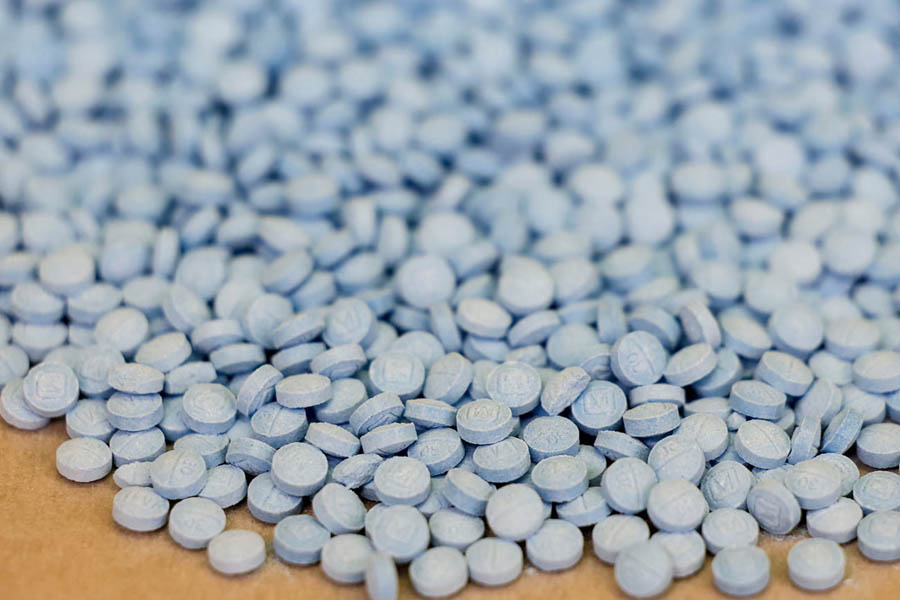
— Keith Humphreys, Stanford University professor
Did China Quietly Disrupt the Fentanyl Supply Chain?
Researchers studying America’s opioid epidemic say overdose deaths have fallen sharply since mid-2023, with national fatalities reportedly down by more than one-third by late 2025.
A recent study published in Science linked the decline to disruptions in the fentanyl supply chain potentially caused by Chinese interventions targeting precursor chemicals.
The researchers observed a significant drop in fentanyl purity across seizures in both the United States and Canada between 2023 and 2024.
Reports also emerged during 2024 that Mexican cartel producers were struggling to source essential precursor chemicals, forcing them to experiment with alternative synthesis methods and unusual adulterants.
Still, experts warn the improvement may only be temporary.
Henrietta Levin, former China director at the Biden administration’s National Security Council, said Beijing’s actions likely mattered — but enforcement remains inconsistent.
— Henrietta Levin, former National Security Council official
Why the Fentanyl Crisis Could Return
Analysts caution that global narcotics markets adapt rapidly whenever governments crack down on supply chains.
After China imposed a blanket ban on fentanyl in 2019, Mexican cartels quickly evolved their trafficking operations by importing precursor chemicals from China and producing fentanyl closer to the US border.
That transformation effectively replaced older heroin trafficking networks with a more dangerous synthetic opioid economy.
Nabarun Dasgupta, director of the University of North Carolina’s opioid data lab, warned that geopolitical approaches to narcotics enforcement can sometimes produce unintended consequences.
📊 US-CHINA SUMMIT: KEY FIGURES
- Summit duration: 36 hours
- Nvidia China market estimate: $50 billion
- Jensen Huang net worth: $191.5 billion
- Huang Nvidia stake: Approximately 3%
- US overdose decline: More than one-third since 2023
- Main fentanyl precursor source: China
- Key summit issues: AI, tariffs, Taiwan, fentanyl, Iran
- Major executives attending: Musk, Cook, Solomon, Fink, Schwarzman
- Nvidia 2026 pay package: $36.6 million
- Trump objective: Expand American access to Chinese markets
Technology, Drugs and Geopolitics Collide
The summit illustrates how deeply intertwined technology, economics, security and public health have become in the US-China relationship.
For Washington, Nvidia represents the future of AI dominance. For Beijing, access to advanced chips remains essential for economic and military competitiveness. Meanwhile, fentanyl continues to symbolise America’s anger over Chinese chemical exports and transnational narcotics networks.
Whether Trump and Xi can reduce tensions remains unclear. But with AI now shaping global power politics and fentanyl reshaping domestic politics in America, the stakes surrounding this summit are among the highest in years.
The world’s two largest economies are no longer simply competing over trade. They are competing over the future architecture of technology, security, public health and geopolitical influence.
10 Key Questions and Answers About the Trump-Xi Summit
❓ Q&A SPECIAL
- Q1: Why is Jensen Huang important at this summit?
A: Huang leads Nvidia, whose AI chips power much of the global artificial intelligence industry, making him central to US-China technology competition. - Q2: Why does Nvidia want access to China?
A: Jensen Huang has estimated the Chinese AI market could be worth approximately $50 billion for Nvidia. - Q3: Which executives joined Trump’s delegation?
A: Elon Musk, Tim Cook, David Solomon, Larry Fink, Stephen Schwarzman, Kelly Ortberg and Jane Fraser were among the business leaders travelling with Trump. - Q4: What are the main issues discussed at the summit?
A: Artificial intelligence, trade tariffs, fentanyl trafficking, Taiwan tensions and geopolitical stability are major agenda items. - Q5: Why is fentanyl linked to China?
A: China remains a major source of chemical precursor materials used in fentanyl production by criminal trafficking networks. - Q6: Have overdose deaths in the US declined?
A: Yes. National overdose deaths reportedly fell by more than one-third between 2023 and late 2025. - Q7: What caused the drop in fentanyl deaths?
A: Researchers believe disruptions in precursor chemical supplies and falling fentanyl purity may have contributed. - Q8: Why are AI chips geopolitically sensitive?
A: Advanced chips can support military systems, surveillance technology and national AI capabilities. - Q9: What is Trump seeking from Xi Jinping?
A: Trump says he wants China to “open up” further to American businesses and technology firms. - Q10: Could fentanyl supply disruptions be temporary?
A: Yes. Experts warn drug trafficking networks often adapt quickly when governments crack down on supply chains.
Stay updated with the latest global politics, AI industry developments and US-China relations on our Global Politics Page.