12 May 2026 | Dubai / Tehran / Kuwait City
DUBAI, United Arab Emirates – While the world watched the ceasefire, the UAE was fighting its own secret war. And now that secret is out – with potentially catastrophic consequences.
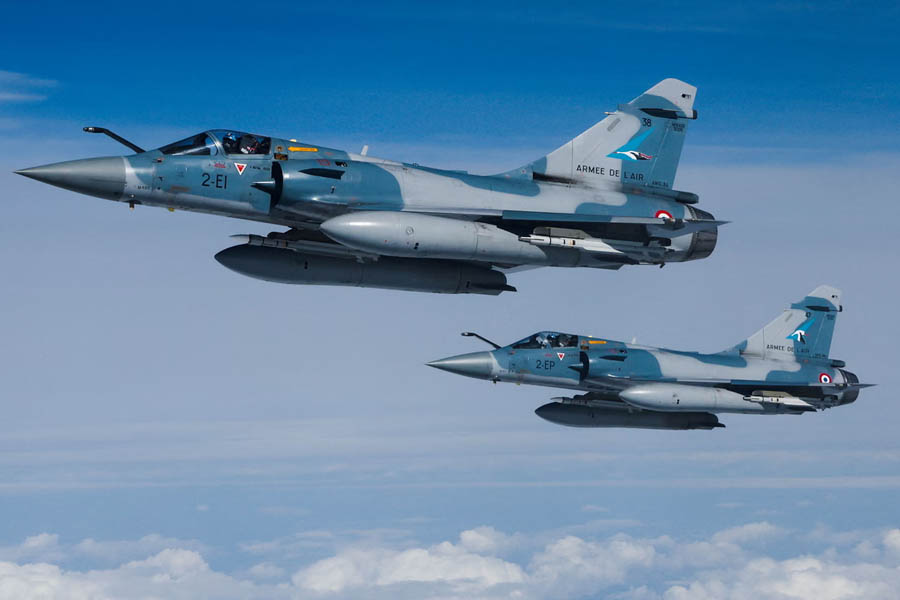
The United Arab Emirates secretly launched a major attack on Iran during the conflict, including a strike on Iran's Lazan Island just before the 7 April ceasefire was announced, the Wall Street Journal reported. The covert operation – carried out with French Mirage fighter jets and Chinese Wing Long drones – risks making the UAE an even clearer target for Tehran if the ceasefire collapses.
President Donald Trump said on Monday the ceasefire was "hanging by a thread" due to Iran's failure to make the concessions he is seeking over its nuclear programme. If the truce ends, the UAE could find itself in Iran's crosshairs – not just as a bystander, but as a direct combatant.
⚡ THE NUMBERS: $29bn – US war cost (up $4bn in 2 weeks) • 4 IRGC commanders captured by Kuwait • 80% – plant capacity target by end of 2026 • 2027 – full capacity recovery • Israel sent Iron Dome batteries to UAE
The Secret Strike: What the UAE Did
The UAE assault on Iran, which was undertaken as retaliation for Iranian attacks on its facilities, included a strike on Iran's Lazan Island just before the 7 April ceasefire was announced. Images allegedly showed French Mirage fighter jets and Chinese Wing Long drones – both used by the UAE – operating in Iranian airspace.
The UAE had hinted around that time that it wanted to mount reprisal operations, and not just defend its oil and port installations. Iran at the time also accused the UAE and Kuwait of being involved in the attacks.
In the earlier fighting that began on 28 February, the UAE had been selected as a target for missile and drone strikes by Iran. It was disproportionately attacked partly due to the severe diplomatic hostility to Iran expressed by its rulers. The Wall Street Journal report gave details of how that diplomatic hostility extended to military hostility.
— Turki al-Faisal, former Saudi ambassador to the US
Kuwait's Catch: Four IRGC Commanders Captured
Kuwait has said that at least four members of the Islamic Revolutionary Guard Corps had been captured trying to carry out "terrorist attacks" on the Kuwaiti-owned Bubiyan Island – the largest island in the Kuwaiti coastal chain.
Kuwaiti press published the names of four IRGC commanders that had tried to infiltrate Bubiyan Island on a fishing boat in an incident earlier this month. Iranian media has not reported the episode yet, but the UAE issued a statement expressing solidarity with Kuwait in trying to fend off IRGC "hostile and terrorist acts."
The Iranian ambassador to Kuwait was summoned by the foreign ministry to hear Kuwait's anger at an attack on its armed forces. Some of the Kuwaiti reporting highlighted a Chinese rather than US presence on the island – a reminder that Beijing's influence in the Gulf is growing.
The Gulf Divide: Saudi Restraint vs UAE Retaliation
The divisions within Gulf states – notably between Saudi Arabia and the UAE – have in private been focused on whether Arab anger at Iran's attacks should extend to military reprisals, or whether that will produce a level of Iranian hostility that might threaten delicate diplomatic relationships.
Explaining the Saudi position, Turki al-Faisal, a former Saudi Arabian ambassador to the US, insisted in an Arab News article this week that Saudi restraint had been wise. "If the Israeli plan succeeded in igniting war between us and Iran, the region would be transformed into a state of devastation and destruction," he wrote.
If Saudi Arabia entered an all-out war today, oil facilities on the eastern coast would be destroyed, desalination plants would be struck, the hajj would be catastrophically affected, and Vision 2030 projects would grind to a halt – a sobering assessment that explains Riyadh's caution.
The Cost of War: $29bn and Climbing
On Tuesday, the Pentagon said the cost of the war with Iran had risen to nearly $29bn – about $4bn higher than the previous Pentagon estimate given just two weeks ago. The war is becoming more expensive by the day, even as the ceasefire holds – barely.
The disruption to the UAE has been severe. Adnoc Gas confirmed that the country's biggest gas plant had been shut for nearly two years due to Iranian attacks last month. The plant will not be fully repaired until next year. The aim is to restore the complex's processing capacity to 80% by the end of 2026, with full capacity achieved in 2027.
New Alliances: Pakistan, Turkey, Saudi Arabia, Qatar
The UAE stance has also served to build new diplomatic alliances in the Middle East. Pakistan's defence minister, Khawaja Asif, hailed the quartet of nations that were avoiding conflict with Iran. "All the circumstances in the region are leading to an alliance that brings together Pakistan, Saudi Arabia, Turkey and Qatar."
The Turkish foreign minister, Hakan Fidan, expressing one of the quartet's most fundamental beliefs, warned against "Israeli expansionism", which "remains the number one challenge to stability, security in our region."
"What the Gulf is going through should not lead to losing focus on Gaza. Expansionism in Gaza, Beirut, the West Bank and Syria has cost many lives and forced many more to flee home," he added.
Israel's Role: Iron Dome in the UAE
The US ambassador to Israel, Mike Huckabee, said Israel had sent Iron Dome batteries and personnel to improve UAE defences. The deployment is a tangible expression of the Abraham Accords – the normalization agreement between Israel and the UAE – and a signal that the Gulf state is willing to integrate Israeli technology into its defence architecture.
But that same alignment with Israel is part of why Iran has targeted the UAE disproportionately. The UAE's willingness to sign the Abraham Accords, normalising relations with Israel, has made it a particular target of Iranian ire.
📊 GULF CRISIS AT A GLANCE
- US war cost: $29bn (up $4bn in 2 weeks)
- UAE covert strike: Lazan Island, Iran – Mirage jets, Wing Long drones
- IRGC commanders captured: 4 (Kuwait)
- UAE gas plant outage: Nearly 2 years – 80% capacity by end of 2026
- Israel support: Iron Dome batteries deployed to UAE
- New Gulf alliance: Pakistan, Saudi Arabia, Turkey, Qatar
- Ceasefire status: "Hanging by a thread" – Trump
Iran's Straits Plan: Charging for Shipping
Iran held talks with Oman on Tuesday about its plans to reorganise the administration of shipping passing through the strait of Hormuz, including by charging for services to shipping companies. The proposal – effectively a toll on global trade – has been rejected by Washington as extortion, but Tehran insists it is a legitimate exercise of its sovereign authority.
What Comes Next?
The UAE's secret war is now public. Kuwait has captured Iranian commanders. The ceasefire is hanging by a thread. And the Gulf states are choosing sides.
Saudi Arabia is urging restraint. The UAE is preparing for more conflict. Iran is watching, waiting, and planning its next move.
"If the Israeli plan succeeded in igniting war between us and Iran, the region would be transformed into a state of devastation and destruction," al-Faisal warned. The question is whether that warning will be heeded – or whether the region is already sliding toward that fate.
Stay updated with the latest world headlines on our World Headlines Page.