9 May 2026 | London / Edinburgh / Cardiff
LONDON – The earthquake has struck British politics. And Keir Starmer is standing in the rubble, trying to convince his party that he can still lead.
Labour has suffered its worst local election results on record – losing control of 32 councils and suffering a net loss of 1,051 seats. Reform UK surged to control 13 councils and gained 1,276 seats. The Conservatives lost eight councils and 427 councillors. The Greens gained control of four councils and put on 306 councillors.
"More of the same is not acceptable," Harriet Harman told Sky News earlier – just hours before Starmer appointed her as his adviser on women and girls. The irony was not lost on observers.
⚡ THE NUMBERS: Labour: -1,051 seats, -32 councils • Reform: +1,276 seats, +13 councils • Conservatives: -427 seats, -8 councils • Greens: +306 seats, +4 councils • SNP: 5th consecutive victory in Scotland • Plaid Cymru ends century of Labour dominance in Wales
A Night of Reckoning: The Worst Labour Result on Record
2026 is now the worst local election result for Labour on record. In England alone, there were 40 councils where Labour saw a record drop in the share of seats – in some cases to its lowest level of representation since the 1970s.
On Friday morning, the prime minister offered a grim acknowledgment. "The results are tough, they are very tough, and there's no sugar-coating it," Starmer said. "We have lost brilliant Labour representatives across the country, these are people who put so much into their communities, so much into our party. And that hurts, and it should hurt, and I take responsibility."
But responsibility may not be enough to save his leadership.
— Harriet Harman, before her appointment as Starmer's adviser on women and girls
The Reform Revolution: Farage's Party Breaks Through
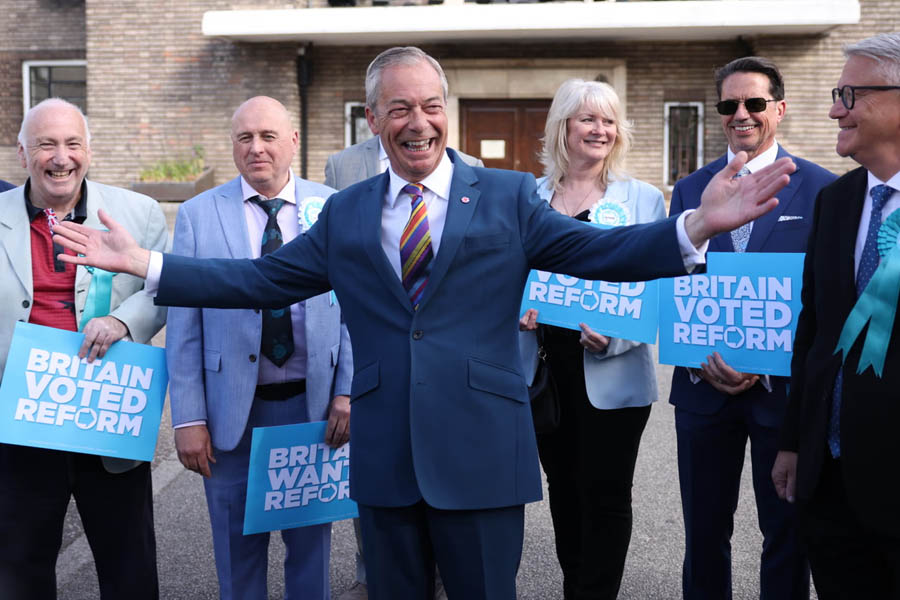
Nigel Farage's Reform UK had a massive night. The party gained ground in the vast majority of English councils, with some of its biggest gains in Sunderland, Wakefield and Essex. Most significantly, Reform won Havering – its first council in London.
Havering represented a breakthrough. Farage's various parties over the years have never had control over a London borough. That changed on Thursday, as Reform gained 36 seats and took over from the Residents' Association.
Wigan offered another warning sign. Only a small portion of seats were up for grabs, so the council remained under Labour control overall. But Reform made a clean sweep of the seats up for election – a pattern repeated across the north and Midlands.
Scotland: SNP's Historic Fifth Victory as Labour Fails to Advance
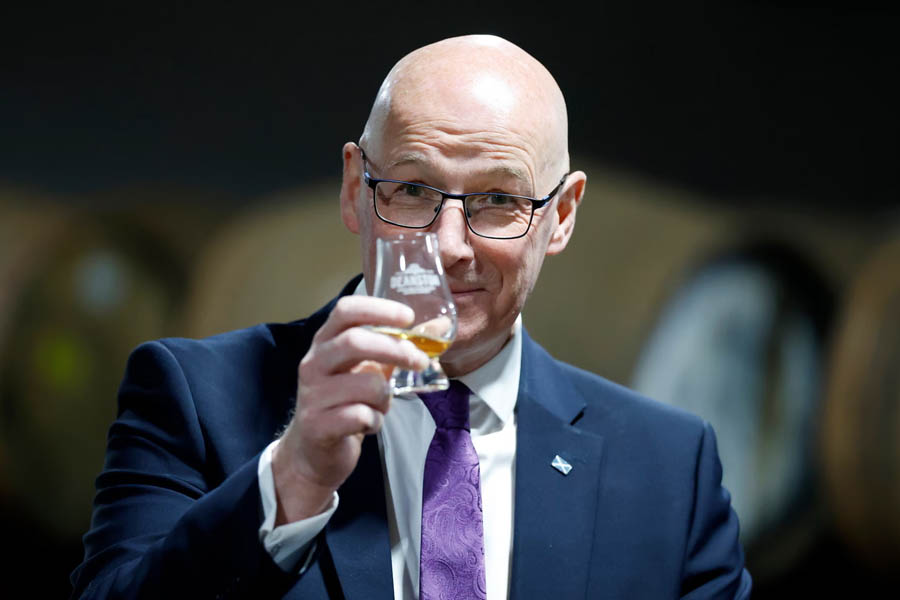
In Scotland, the SNP claimed a historic fifth election victory, with John Swinney set to return as first minister. Donald Trump offered congratulations on Truth Social, calling Swinney "a good man" who "deserves this Big Electoral Victory!"
Labour had once hoped that Anas Sarwar might become the next first minister. On Friday, he conceded Scottish Labour had comprehensively lost, saying the party had failed to counter the "national dissatisfaction" with the prime minister.
The SNP often benefited from voters splitting their support across multiple opposition parties. Meanwhile, the Scottish Greens made inroads, taking two symbolic seats from the SNP: Edinburgh Central, the seat of minister Angus Robertson, and Glasgow Southside, the former constituency of Nicola Sturgeon.
Wales: Plaid Cymru Ends a Century of Labour Dominance
Labour's collapse in the Senedd seemed even more existential. The party has lost control of the Welsh parliament for the first time since it was created in 1999. Labour's vote share fell by more than half – enough to push it into third place, with Plaid Cymru surging to become the largest party and Reform in second.
Welsh Labour's incumbent first minister, Eluned Morgan, lost the seat of Ceredigion Penfro. The party's traditional strongholds in south Wales crumbled. In seats like Caerdydd Penarth, Caerdydd Ffynnon Taf and Casnewydd Islwyn – all in or around Cardiff – Labour's vote share crashed by over 25 points to end up with less than one in seven people voting for the party.
Plaid Cymru did best in its traditional strongholds, such as Bangor Conwy Môn, where it won three of six seats. Reform surged to become the main party of opposition in Wales, winning half of the seats available in several areas.
The Green Surge: London's Progressive Voters Abandon Labour
The Greens recorded some of their best performances in the capital, gaining momentum at the expense of a collapse in the Labour vote. Over the past decade London had become a firm Labour stronghold. That now looks at risk.
In north-east London councils such as Hackney, Waltham Forest and Haringey, the Greens made significant seat gains at the expense of Labour. Across England, the Greens were the party with the second highest number of gains – notable in Newcastle-upon-Tyne, Manchester and Norfolk, where the party took seats directly from Labour.
The party leader, Zack Polanski, hailed the claimed end of the two-party system as the Greens won the directly elected mayoralty in Hackney.
Starmer's Crisis Moves: Brown and Harman Appointed
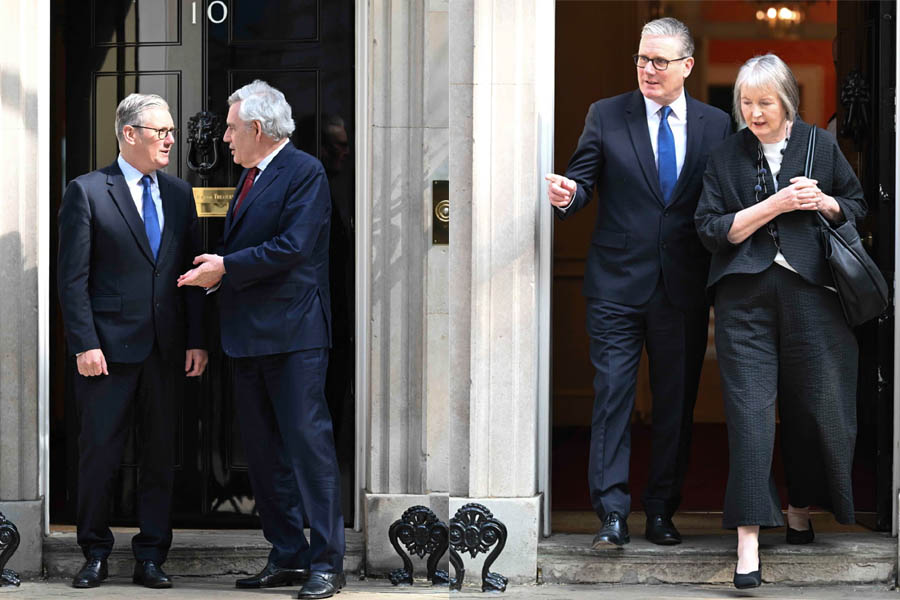
In the aftermath of the electoral catastrophe, Starmer moved quickly to appoint two veteran figures. Gordon Brown was named special envoy on global finance, tasked with advising on "how global finance cooperation can help to achieve" the prime minister's security and resilience goals.
Harriet Harman was appointed adviser on women and girls, working with ministers on tackling violence against women and girls, improving job prospects and increasing representation in parliament and public life. The role is unpaid and part-time.
But the appointments look like rearranging deck chairs on the Titanic. A poll of more than 1,000 Labour members found that 45% believe Starmer should step down. The mayor of Greater Manchester, Andy Burnham, was the first preference for 42% of members asked to rank their preferred successor.
More than a third of members polled said they were considering resigning their membership.
"Voters made their displeasure with Starmer's leadership heard on Thursday and now Labour members have too," said Lena Swedlow, deputy director of the thinktank Compass. "Nearly half want him to stand down and over half don't think he's the man for the job."
📊 2026 ELECTION RESULTS AT A GLANCE
- Labour: -1,051 seats | -32 councils | Worst result on record
- Reform UK: +1,276 seats | +13 councils | First London borough (Havering)
- Conservatives: -427 seats | -8 councils
- Greens: +306 seats | +4 councils | Won Hackney mayoralty
- Lib Dems: +142 seats | +3 councils
- SNP: 58 seats (5th consecutive victory)
- Plaid Cymru: 43 seats (largest party in Wales)
- Reform Wales: 34 seats (second largest)
- Labour Wales: 9 seats (third place – historic collapse)
The Burnham Question: Will Starmer Step Aside?
Several Labour MPs – especially those close to Burnham – have told the Guardian that they would like to see a timetable for Starmer to stand down in an orderly and dignified way. Burnham cannot run while he is denied the chance to run for parliament, which has been blocked by Labour's governing national executive committee (NEC).
But the pressure is mounting. At least 10 MPs have called for the prime minister to put in place a timetable for departure, including former transport secretary Louise Haigh, the chair of the women and equalities select committee, Sarah Owen, and several MPs elected in 2024.
Members of the NEC have told the Guardian the position will not change unless Starmer's mind is changed – which is highly unlikely. But in politics, "highly unlikely" is not the same as "impossible."
What Comes Next?
Starmer has survived for now. Brown and Harman are on board. The party machinery is still behind him. But the numbers are brutal. The voters have spoken. And the Labour membership is restless.
"In the face of an incredibly serious economic situation at home and abroad, it's essential that the country and the party have a leader that they can trust," Swedlow said. "There is a clear desire for change in both the politics and personnel of this government."
The question is whether Starmer can deliver that change – or whether Labour will deliver a change of leader.
Stay updated with the latest world headlines on our World Headlines Page.