13 May 2026 | London / Westminster
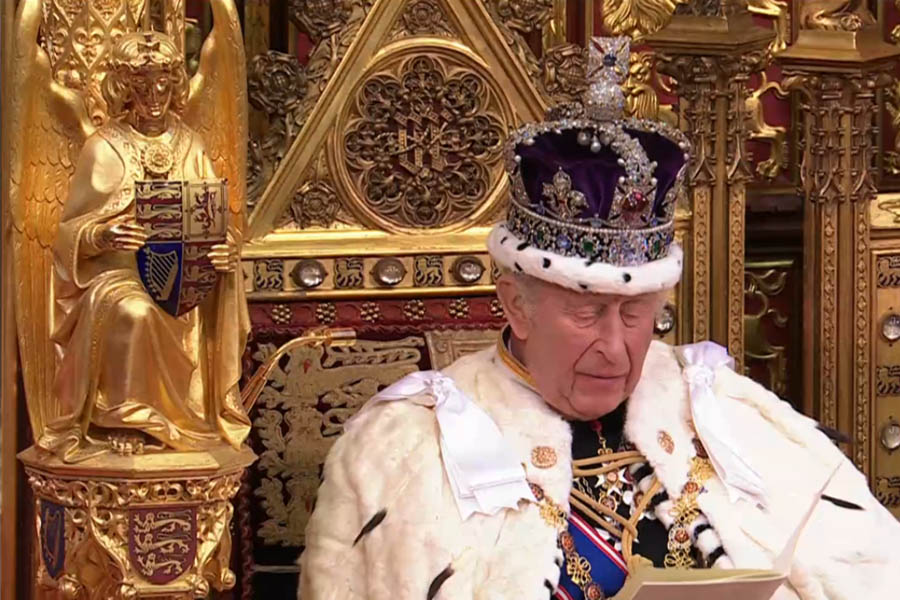
LONDON, United Kingdom – King Charles III opened a dramatic new session of Parliament on Wednesday with a sweeping speech focused on national security, economic resilience, energy independence, and support for Ukraine, as political turmoil engulfed Prime Minister Keir Starmer’s Labour government.
The monarch delivered the King’s Speech at the Palace of Westminster amid growing speculation that Health Secretary Wes Streeting is preparing to resign and launch a leadership challenge against Starmer as early as Thursday.
The state opening came at a moment of deep uncertainty in British politics, with Labour MPs divided, unions questioning Starmer’s future, and the SNP threatening a parliamentary no-confidence move against the prime minister.
⚡ KEY DEVELOPMENTS: King Charles outlines major new legislation • Energy Independence Bill announced • NATO and Ukraine support reaffirmed • Wes Streeting reportedly preparing leadership challenge • SNP threatens no-confidence amendment • Labour divisions deepen ahead of potential internal revolt
“An Increasingly Dangerous World”: King Charles Warns of Global Instability
Opening the parliamentary session, King Charles warned lawmakers that Britain faces an “increasingly dangerous and volatile world,” referencing the Middle East conflict, global instability, and mounting economic pressures.
“Every element of the nation’s energy, defence and economic security will be tested,” the king declared from the House of Lords chamber.
The speech laid out an ambitious legislative agenda focused on economic growth, defence expansion, public service reform, cybersecurity, and clean energy investment.
The monarch also pledged continued British support for Ukraine and reaffirmed the United Kingdom’s “unbreakable commitment to Nato and our Nato allies.”
— King Charles III
Energy Independence and Security at the Heart of New Agenda
One of the centrepieces of the speech was a proposed Energy Independence Bill aimed at expanding homegrown renewable energy production and strengthening Britain's long-term national security.
The king said recent events in the Middle East had exposed the vulnerability of energy markets and reinforced the need for Britain to reduce dependence on foreign energy supplies.
The government also promised to push forward with a new era of British nuclear energy generation following recommendations from the Nuclear Regulatory Review.
Additional infrastructure projects outlined in the speech included airport expansion, the Lower Thames Crossing road project, Northern Powerhouse Rail, and reforms designed to protect Britain’s steel industry.
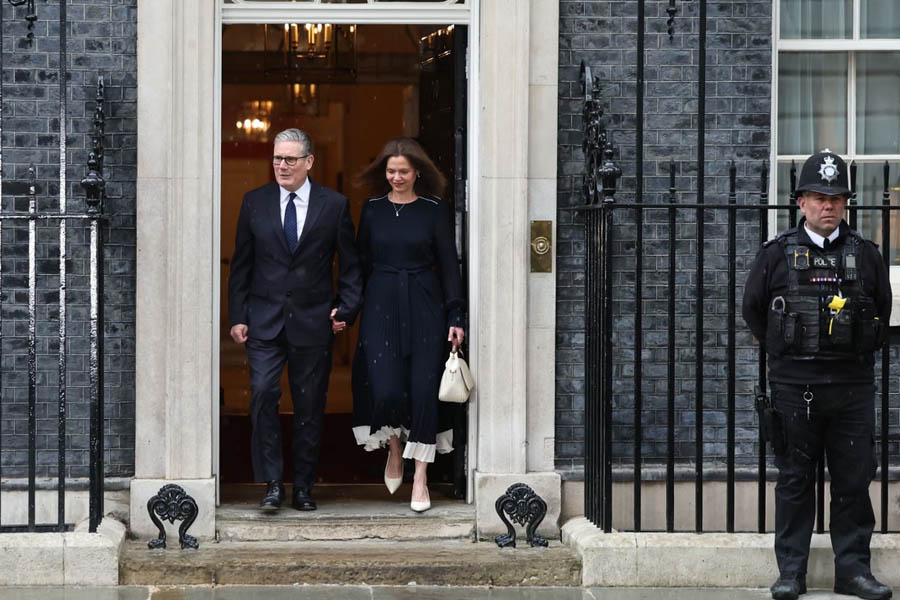
Streeting Revolt Deepens Labour Leadership Crisis
As the ceremonial pageantry unfolded inside Westminster, a parallel political drama intensified outside Parliament.
Reports from multiple British media outlets claimed Health Secretary Wes Streeting is preparing to resign from government and formally challenge Keir Starmer for the Labour leadership.
According to reports, Streeting confronted Starmer during a tense 16-minute meeting before the King’s Speech. Allies reportedly told journalists that Streeting “is going for it” and may launch his leadership bid within days.
Streeting’s camp reportedly believes the prime minister no longer commands authority inside the parliamentary party after disastrous local election results and mounting dissatisfaction among Labour MPs.
Downing Street has attempted to dismiss speculation of an imminent leadership coup, but the reports triggered fresh market uncertainty before calming later in the day as no resignation materialised.
— Source close to Wes Streeting
SNP Threatens No-Confidence Move Against Starmer
The political pressure intensified further after the Scottish National Party announced plans to table an amendment to the King’s Speech calling for a vote of no confidence in Starmer.
SNP Westminster leader Dave Doogan accused the Labour government of descending into chaos and said Parliament must intervene if Labour ministers fail to remove the prime minister themselves.
“He has lost the confidence of voters and his own MPs,” Doogan said. “There’s no coming back from that.”
Despite the dramatic rhetoric, political analysts believe there is little realistic prospect of a successful no-confidence vote because many Labour MPs remain reluctant to support an SNP-backed parliamentary revolt.
Defence, Immigration and Digital Reform Bills Planned
The government’s legislative programme also included proposals to strengthen Britain’s armed forces, tighten protections against foreign state interference, and introduce new cybersecurity measures.
A new Armed Forces Bill would reform the military justice system and formally establish the Armed Forces Covenant in law.
Meanwhile, ministers announced plans to introduce Digital ID systems for public services, reform the immigration and asylum system, and establish Great British Railways as part of a wider transport overhaul.
The speech also included promises to tackle unsafe cladding in residential buildings, improve special educational needs provision, expand apprenticeships, and reform welfare systems.
📊 KING’S SPEECH 2026 – AT A GLANCE
- Main themes: Security, economy, energy independence
- Key legislation: Energy Independence Bill
- Foreign policy: Continued support for Ukraine and NATO
- Political crisis: Streeting leadership challenge speculation
- Infrastructure plans: Rail, airports, roads, nuclear energy
- Public sector reforms: NHS, police, immigration, schools
- Digital reforms: Introduction of Digital ID
- Parliamentary tension: SNP threatens no-confidence amendment
- Location: Palace of Westminster, London
- Event: State Opening of Parliament
Can Starmer Survive?
The King’s Speech was intended to project stability and long-term vision. Instead, it unfolded under the shadow of a rapidly escalating Labour leadership crisis.
With ministers openly manoeuvring, unions questioning Starmer’s future, and opposition parties preparing parliamentary pressure, the British prime minister now faces one of the most dangerous moments of his leadership.
Whether Wes Streeting launches a formal leadership challenge in the coming days could determine not only Starmer’s political survival, but also the direction of Britain’s next government.
For now, Westminster remains suspended between royal ceremony and political rebellion.
Stay updated with the latest world news headlines developments on our Live World News .
10 Key Questions and Answers
Q1: What is the King’s Speech?
A: The King’s Speech formally opens a new session of the UK Parliament and outlines the government’s planned laws and priorities.
Q2: Why is Keir Starmer under pressure?
A: Starmer faces criticism after poor election performances, internal Labour unrest, and reports of a possible leadership challenge from Wes Streeting.
Q3: Who is Wes Streeting?
A: Wes Streeting is the UK Health Secretary and a senior Labour politician reportedly considering a bid for the Labour leadership.
Q4: What is the Energy Independence Bill?
A: The proposed bill aims to expand British renewable energy production and strengthen long-term national energy security.
Q5: What did King Charles say about Ukraine?
A: He reaffirmed Britain’s continued support for Ukraine and described Ukrainians as fighting “on the frontline of freedom.”
Q6: What is the SNP demanding?
A: The SNP plans to table an amendment effectively seeking a no-confidence move against Prime Minister Keir Starmer.
Q7: What new infrastructure projects were announced?
A: The government highlighted airport expansion, Northern Powerhouse Rail, the Lower Thames Crossing, and nuclear energy development.
Q8: What reforms are planned for public services?
A: The government announced reforms targeting the NHS, policing, immigration systems, schools, welfare, and rail transport.
Q9: What is Digital ID?
A: The government plans to introduce Digital ID systems to modernise interactions between citizens and public services.
Q10: Could Starmer lose leadership soon?
A: Political pressure is growing rapidly, but any leadership challenge would depend on whether rivals secure enough support from Labour MPs.