18 May 2026 | Kyiv & Moscow — Updated 19:45 GMT
KYIV – Ukraine's military has pulled back the curtain on the secret drone arsenal that humiliated Russian air defences over the weekend, naming three long-range strike systems — including a jet-powered UAV and a mystery drone never before seen by analysts — that carried out one of the largest pummellings of Russian territory since the full-scale invasion began.
The general staff of Ukraine's armed forces reeled off the list of aerial weaponry used to destroy targets in the Moscow region: the RS-1 "Bars" jet-powered UAV, the Firepoint FP-1 winged drone, and a previously unknown platform dubbed the Bars-SM Gladiator. The disclosure marks a rare public acknowledgment of Kyiv's deepening domestic drone production capacity, which has allowed strikes as deep as 500km (310 miles) into Russia.
⚡ THE NEW WEAPONS: RS-1 "Bars" (jet-powered) • Firepoint FP-1 (winged drone) • Bars-SM Gladiator (previously unknown) • Targets hit: Angstrom microelectronics plant + Solnechnogorskaya oil pumping station • Russia claims 3,124 Ukrainian drones shot down in past week.
Inside the Strike: Microchips for Missiles and a Critical Oil Pipeline
Ukraine's SBU security service detailed two primary targets in the Moscow region. The first was the Angstrom plant in Zelenograd, a facility that "specialises in the production of hi-tech products and microcircuits for high-precision weapons," the SBU said. "A fire was recorded on the territory of the facility. The enterprise is an important component of the Russian military-industrial complex and is involved in the production of microelectronics, radio electronics, optical systems, and robotics for the enemy's military needs."
The second strike hit the Solnechnogorskaya pumping station, described by the SBU as "a critical part of the ring oil pipeline around Moscow" used for pumping, storing and shipping large volumes of gasoline and diesel fuel — "in particular for the Russian army." A fire was also reported at that location. The strikes, the SBU added, "reduce the enemy's ability to continue its war."
— Robert Brovdi ("Madyar"), commander of Ukraine's drone forces
Russian Denials and 'Drone Debris' — But AFP Saw the Launch
Russian authorities acknowledged at least four people were killed and a dozen more wounded, but repeatedly attributed damage to "drone debris" — a formulation that implies drones were shot down by Russian air defences rather than successfully striking their intended targets. Early on Monday, the Russian defence ministry sought to emphasise the role of its air defences, claiming 3,124 Ukrainian drones were shot down over the past week.
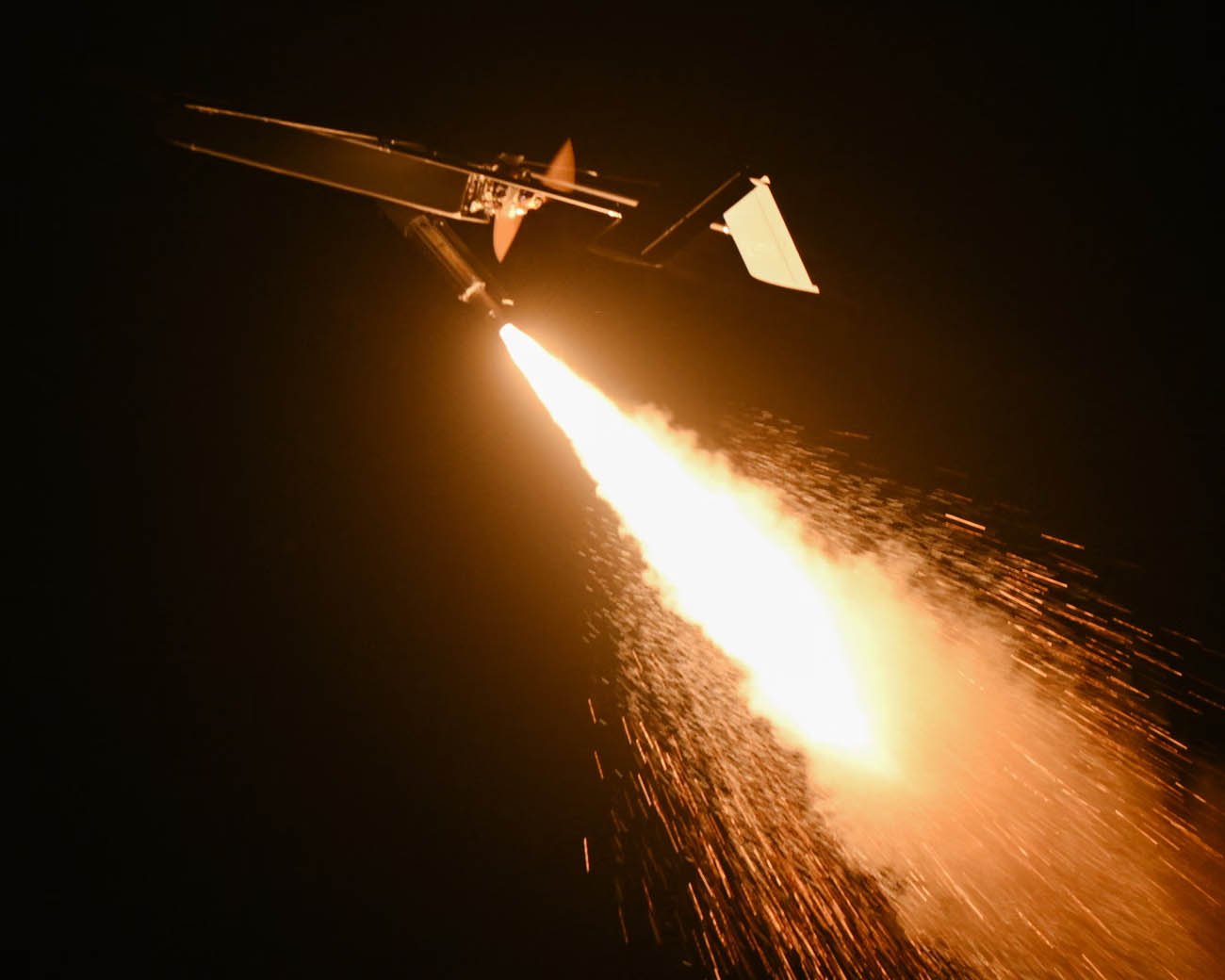
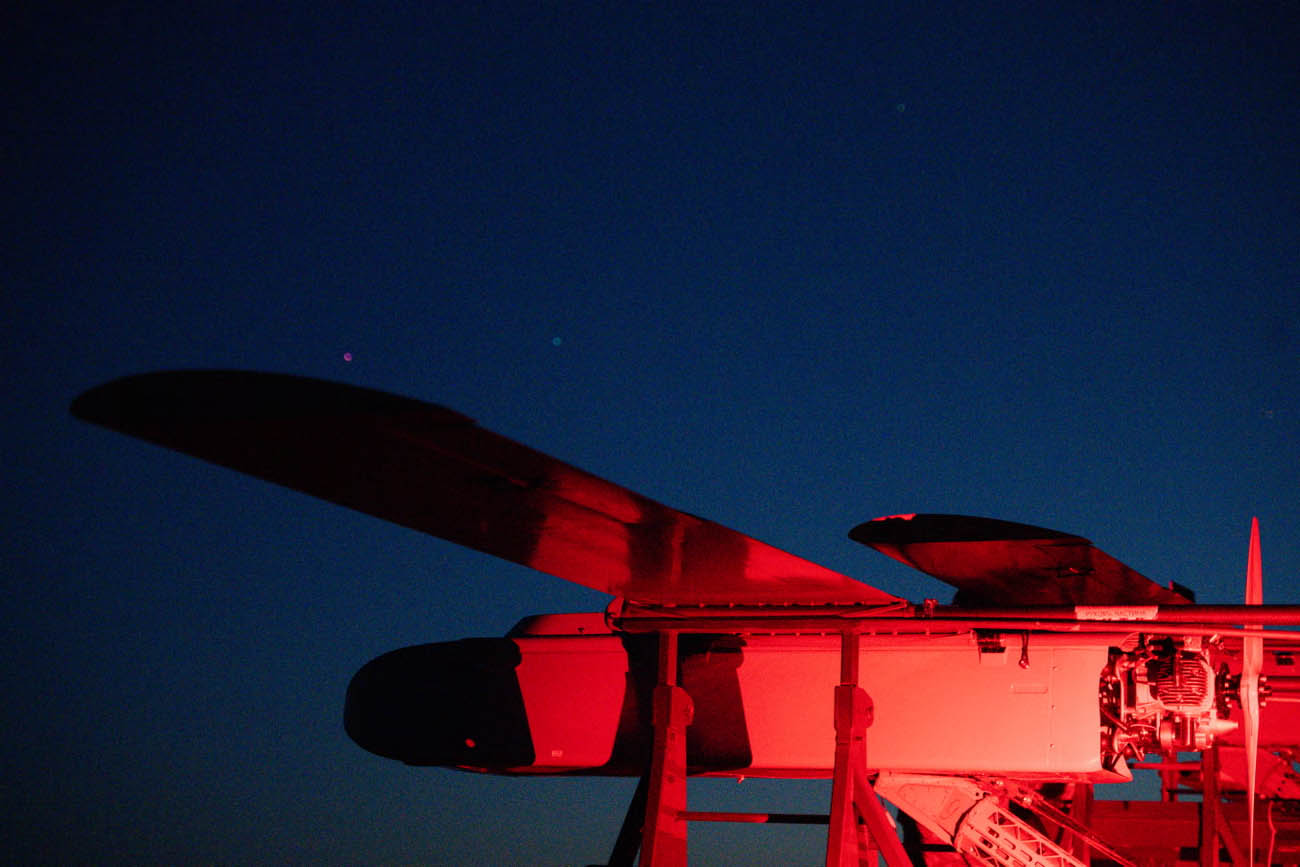
But Agence France-Presse, whose journalists were granted rare access to an undisclosed Ukrainian launch site, described battalion members preparing plane-like drones before they took off towards Russia, leaving trails of sparks and flames from their rocket boosters behind. The images showed the sheer scale of the operation that became one of the largest single bombardments of Russian territory in the conflict.
Zelenskyy: 'A Shift in the Balance' — Ukraine Outpacing Russia on Battlefield
In his nightly address, President Volodymyr Zelenskyy said taking the war to Moscow was "entirely justified" and delivered a striking claim: on Sunday, Ukrainian troops' combat operations on the battlefield outnumbered Russian ones — "a very significant result."
"Much has been accomplished this year, and a shift in the balance of activity on the frontlines is noticeable," Zelenskyy said, suggesting that Ukraine is no longer merely reacting to Russian offensives but increasingly setting the operational tempo.
Within Ukraine, the SBU said, a Russian command post in the Bunge area of Donetsk region and enemy UAV control points were hit in the Dvorichnaya area of Kharkiv region, Zavitne in Kherson region, and Udachne in Donetsk region. "In addition, Ukrainian soldiers struck enemy manpower concentrations in the areas of Myrne (Donetsk), Krasnohirsk (Zaporizhzhia), Volfinsky (Kursk region of the Russian Federation), as well as two concentrations of occupiers in the Novoekonomichesky district of the Donetsk region."
Russian Strikes Continue: Odesa, Zaporizhzhia, Kherson Hit
Even as Ukraine celebrated its long-range successes, Russian drones and artillery continued to pound Ukrainian civilians. Ukraine's southern Odesa region came under a drone attack on Sunday night, with residential buildings hit, regional governor Oleh Kiper said. Casualty information was still being clarified.
In the Zaporizhzhia region, a car was hit in a Russian attack, injuring a woman and a man. In Kherson region, the regional prosecutor's office said a drone dropped explosives on a home, killing a man, while eight civilians were injured in attacks on regional cities and towns. The dual reality of the war — Ukrainian drones striking deep inside Russia while Russian attacks kill civilians daily inside Ukraine — remained starkly visible.
📊 TARGETS & WEAPONS – MOSCOW REGION STRIKE (16-17 MAY 2026)
- RS-1 "Bars": Jet-powered UAV, high-speed penetration drone
- Firepoint FP-1: Winged long-range strike drone
- Bars-SM Gladiator: Previously unknown platform, unveiled in this attack
- Angstrom plant (Zelenograd): Microelectronics & microcircuits for Russian precision weapons — fire reported
- Solnechnogorskaya pumping station: Critical node in Moscow ring oil pipeline — fire reported
- Russian casualties claimed: 4 killed, 12+ wounded
- Russia's weekly claim: 3,124 Ukrainian drones shot down
Nato Tensions Rise: Drone Crashes in Lithuania, Alert in Latvia
A suspected Ukrainian military drone was found crashed in Lithuania on Sunday, the Lithuanian government's crisis management centre said. The drone was not detected when it entered Lithuanian airspace and was not armed with explosives, said centre chief Vilmantas Vitkauskas. It crashed near the village of Samane, 40km from the Latvian border and 55km from Belarus. Kyiv had not commented by Monday evening.
Separately, the Latvian army said a drone alert was issued on Sunday morning along its border with Russia, and Nato military fighters were summoned to the area. One drone entered Latvia for a short time during the alert, the army said.
Since March, several stray Ukrainian drones have entered the airspace of Nato members Latvia, Lithuania and Estonia, which border Russia and its ally Belarus. Kyiv has insisted the drones were aimed at military targets in Russia but sent off course by Russian countermeasures. The incidents have already had political consequences: Latvian Prime Minister Evika Silina fired her defence minister after one such episode, leading to the collapse of her government.
— President Volodymyr Zelenskyy, nightly address
'Madyar' Defends Long-Range Strikes: 'Legitimate Targets Anywhere'
The commander of Ukraine's drone forces, Robert Brovdi — known by his call sign "Madyar" — has forcefully defended the strategy of long-range attacks into Russia. In an interview with Agence France-Presse conducted before the weekend's massive 600-drone wave, Brovdi said: "The sources of funding for Putin's war expenses … have become legitimate and priority military targets in any area, in any part of the territory of the occupying country, whether we are talking about the south, the Urals, or Siberia."
The interview, now published, underscores Ukraine's stated intention to continue striking far beyond the front lines, targeting Russia's economic and military-industrial base. With the weekend attack demonstrating a newly revealed arsenal and unprecedented scale, the drone war shows no sign of abating — and the list of Ukrainian weapons known to Moscow just got longer.
🔍 Ukraine's Secret Drone Arsenal: Q&A / Vizual Guide
❓ What new drones did Ukraine reveal?
Three systems: the RS-1 "Bars" (jet-powered UAV for high-speed penetration), the Firepoint FP-1 (winged long-range drone), and the Bars-SM Gladiator — a platform previously unknown to military analysts and observers, unveiled in this weekend's attack on Moscow.
❓ What did Ukraine hit in the Moscow region?
Two priority targets: (1) The Angstrom plant in Zelenograd, which makes microchips and microelectronics for Russian precision-guided weapons. (2) The Solnechnogorskaya pumping station, a critical node in Moscow's ring oil pipeline supplying fuel to the Russian army. Both facilities reported fires.
❓ How does Russia explain the damage?
Russian authorities attribute most damage to "drone debris" — a formulation that implies drones were shot down by air defences rather than successfully striking targets. The defence ministry claimed 3,124 Ukrainian drones were shot down over the past week. However, AFP journalists witnessed launches and fires were confirmed at both strategic sites.
❓ What did Zelenskyy claim about the battlefield?
In his Sunday night address, Zelenskyy said Ukrainian troops' combat operations outnumbered Russian ones — "a very significant result." He added that "a shift in the balance of activity on the frontlines is noticeable," suggesting Ukraine is increasingly setting the operational tempo rather than merely reacting to Russian offensives.
❓ What happened with Nato airspace?
A suspected Ukrainian drone crashed in Lithuania (found unarmed near Samane village, 40km from Latvia). Separately, Latvia issued a drone alert along its Russian border and scrambled Nato fighters. Since March, several stray Ukrainian drones have entered the airspace of Baltic Nato members; Kyiv blames Russian countermeasures knocking drones off course.
❓ What is 'Madyar''s position on long-range strikes?
Robert Brovdi, commander of Ukraine's drone forces, told AFP before the weekend attack that "the sources of funding for Putin's war expenses" are legitimate targets "in any area, in any part of the territory of the occupying country — whether the south, the Urals, or Siberia." This signals Ukraine's intent to continue deep strikes into Russia.
🚀 UKRAINE'S LONG-RANGE DRONE ARSENAL (REVEALED MAY 2026)
RS-1 "Bars"
Jet-powered UAV
High-speed • Penetration drone
Firepoint FP-1
Winged drone
Long-range • Recon-strike
Bars-SM Gladiator
Previously unknown
Unveiled in Moscow attack
🎯 STRATEGIC TARGETS IN MOSCOW REGION (16-17 MAY)
Fire reported • Produces microelectronics, radio electronics, optical systems, robotics for Russian military
Fire reported • Supplies gasoline and diesel fuel to Russian army
📊 RUSSIA'S WEEKLY DRONE CLAIM (10-17 MAY 2026)
Source: Russian Defence Ministry. Ukraine does not release equivalent figures.
🌍 NATO BALTIC AIRSPACE INCIDENTS (MARCH-MAY 2026)
📅 March 2026
First stray Ukrainian drones reported in Baltic airspace
📅 April 2026
Latvian defence minister fired after drone incident → government collapses
📅 17 May 2026
Suspected Ukrainian drone crashes in Lithuania (Samane village)
📅 18 May 2026
Latvia issues drone alert, scrambles Nato fighters
Kyiv insists drones were aimed at Russian military targets but knocked off course by Russian electronic warfare.
Stay updated with the latest war coverage on our Russia-Ukraine War Page.