Exclusive: The fragile ceasefire between the United States and Iran hangs in the balance, with Washington yet to formally agree to an extension, even as military deployments intensify and regional threats expand.
Breaking Insight: Diplomatic talks continue behind closed doors, but rising military activity signals a high-stakes standoff with global consequences.
Ceasefire in Limbo
A senior US official confirmed that no formal agreement has been reached to extend the ceasefire with Iran, although ongoing diplomatic engagement continues.
“There is continued engagement between the U.S. and Iran to reach a deal,” the official stated, indicating fragile but active negotiations.
Iran Expands Shipping Threats
Iran has issued a stark warning that it could extend its military response beyond the Strait of Hormuz if US naval actions continue to disrupt its shipping routes.
Senior military commander Maj Gen Ali Abdollahi warned that Tehran would consider further restrictions if its oil and merchant vessels face insecurity.
In a dramatic escalation, Iran signaled it could block trade routes across the Persian Gulf, the Sea of Oman, and even the Red Sea, raising fears of a global energy crisis.
Global Risk: Any disruption in these waterways could severely impact international oil supply chains and global markets.
Trump Signals Strength and Diplomacy
US President Donald Trump struck a mixed tone, suggesting the conflict may be nearing resolution while simultaneously emphasizing military readiness.
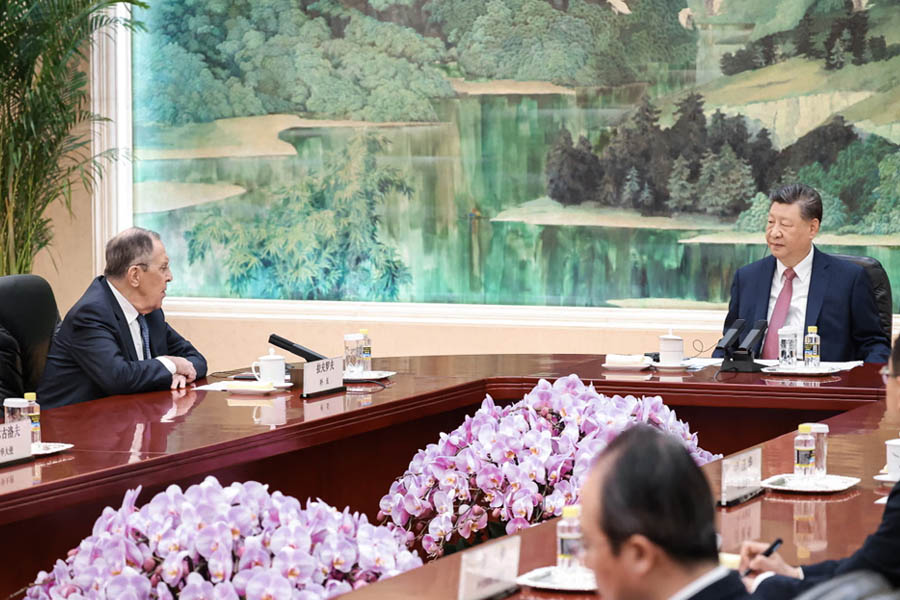
Trump revealed he had exchanged letters with Chinese President Xi Jinping, urging Beijing not to supply weapons to Iran. According to Trump, China has agreed to refrain from such actions.
He also claimed cooperation with China in keeping the Strait of Hormuz open, calling it a move beneficial to the global economy.
Military Build-Up Intensifies
Reports indicate the US is preparing to deploy up to 10,000 additional troops to the Middle East, including forces aboard the aircraft carrier USS George H.W. Bush.
Potential military options under consideration reportedly include:
- Expanded airstrikes on Iranian targets
- Ground operations within Iranian territory
- Securing strategic oil infrastructure such as Kharg Island
The Pentagon has not officially confirmed these plans.
Iran Calls for Dialogue
Iranian President Masoud Pezeshkian emphasized that Tehran is seeking dialogue rather than conflict.
However, he warned that any attempt to force Iran into submission would fail, reinforcing the country’s stance on sovereignty and independence.
Diplomatic Message: “Iran is not seeking war or instability,” Pezeshkian said, while rejecting external pressure.
Global Powers Weigh In
Russia has reaffirmed its support for Iran’s right to enrich uranium for civilian purposes, with Foreign Minister Sergei Lavrov calling it an “inalienable right.”
Iran’s foreign ministry echoed this position, stating that while enrichment levels may be negotiable, the right itself is non-negotiable.
Uncertain Path Ahead
Despite signs of diplomatic engagement, the path forward remains uncertain. Planned talks face logistical challenges, and regional tensions continue to rise.
With military forces mobilizing and economic stakes high, the coming days could prove decisive in determining whether the crisis moves toward resolution—or further escalation.