
🏺 Nepal Arts and Crafts for Sale
A tapestry of tradition and modern elegance — exploring Nepal's rich handicraft heritage.
Read More →
In the bustling heart of Detroit, amidst the towering structures of steel and glass, Raphel Rand Son, a multi-millionaire real estate magnate, stood on the brink of completing his magnum opus—a colossal 101-story building that seemed to pierce the heavens. The glint of mirrors and the luster of Chinese and Italian marble accentuated the grandeur of his creation, but amidst the opulence, there was a longing for something more, something soulful.
Visitors thronged to his architectural masterpiece, but Raphel felt the pressing need for an interior design that exuded auspiciousness and tranquility. Restless and far from calm, he confided in a friend who suggested a journey to India, a land renowned for its spiritual and artistic heritage.
With his heart set on discovering a different facet of life, Raphel embarked on a journey to Goa, India. Having experienced the serenity of Mexican beaches before, he decided to spend no more than three days there and opted for an additional two days in the bustling metropolis of Mumbai. The city's relentless energy captivated him, but amidst the crowd, he yearned for a deeper connection.
One fateful morning, while perusing a newspaper, he stumbled upon an advertisement that changed the course of his journey—the Sherpa Trekking Company, renowned for its Mountain Trek Services. Nepal, it seemed, was just a stone's throw away. Intrigued, he decided to venture into this mystical realm.
Sherpa Trekking Company arranged an 11-day Mt. Everest trek for Raphel, combining flights and hikes. As he traversed the breathtaking landscapes of the Himalayas, he found himself enraptured by the sheer beauty of nature. The mountains bestowed upon him a profound sense of strength and inner peace. Amidst these serene peaks, words failed to capture his emotions.
Upon completing his Everest trek, he continued his explorations in the heart of Nepal's capital, Kathmandu. During a visit to the ancient city of Bhaktapur, he encountered skilled artisans crafting intricate wooden doors, windows, and statues. The exquisite craftsmanship left an indelible mark on his soul, and he envisioned these timeless pieces adorning the interiors of his skyscraper.
With measurements in hand and a vision in his heart, Raphel contacted his interior design team and placed an order with Nepal Art Shop Export & Import Pvt. Ltd. The order included 20 meticulously crafted wooden doors, enchanting peacock windows, Buddha carving statues, beautiful wooden sculptures of graceful women, ornate wooden flooring sheets, and masterfully carved chairs and sofas.
It took nearly nine months for these masterpieces to make their way from the artisans' hands in Nepal to Raphel Rand Son's towering empire building in Detroit. Sharma Meera, the visionary behind Nepal Art Shop, paid a visit to witness the artifacts she worked tirelessly to create now adorning the skyscraper's interiors. The connection between creator and creation was palpable, and both were filled with a sense of accomplishment and joy.
Raphel Rand Son, once a man of few words, now radiated contentment. His transformative journey left an indelible mark on his soul. He is now venturing into filmmaking, with some scenes for his upcoming movie shot within the confines of his newly adorned empire building—a testament to the fusion of art and real estate.
Bhaktapur, one of Nepal's ancient royal cities, is a living museum of wood carving excellence. The city's narrow lanes are filled with artisan workshops where craftsmen still use traditional hand tools to carve peacock windows, temple doors, and spiritual sculptures. Unlike machine-made furniture, these creations preserve heritage and human touch, making them valuable in modern luxury architecture.
Nepal's handcrafted woodwork, particularly from Bhaktapur, is considered among South Asia's finest artistic traditions. From intricately carved temple windows to symbolic Buddha statues, every piece carries centuries of craftsmanship. Luxury hotels, yoga retreats, meditation centers, and high-end homes across Europe and America increasingly integrate Nepalese handmade woodwork into their interiors because of its authenticity, warmth, and spiritual symbolism.
Unlike machine-made furniture that sacrifices soul for speed, each Nepalese wooden artifact tells a story. The natural imperfections—the slight asymmetry, the unique grain patterns, the human touch—are precisely what discerning collectors value most.
High-altitude trekking in the Everest region is often described as more than an adventure. Many global entrepreneurs, artists, and professionals visit the Himalayas not only for physical challenge but for mental clarity. The silence of the mountains, Buddhist monasteries, and Himalayan landscapes create an environment for reflection rarely found in urban business life.
For many, the journey to Everest Base Camp becomes a catalyst for life change—including career shifts, new creative directions, and deeper appreciation for handmade, meaningful objects.
Interior designers are increasingly blending spirituality into architecture. Buddha sculptures, meditation corners, prayer wheels, singing bowls, hand-carved wooden panels, and Himalayan-inspired textures are becoming part of wellness-focused luxury spaces. This shift reflects a broader global trend toward mindful living.
Raphel's skyscraper now features a meditation room on the 7th floor where business associates practice yoga, and an entertainment space on the 99th floor where art and conversation flow freely. The building itself has become a symbol of balanced living—combining商业 success with spiritual wellness.
In a world dominated by factory production, handmade Himalayan artifacts offer sustainable luxury. Supporting artisan communities helps preserve cultural heritage while reducing dependence on industrial mass production. Consumers are now valuing craftsmanship over convenience.
The 20 carved doors, peacock windows, and Buddha statues now installed in Detroit represent more than decoration. They represent livelihoods sustained, traditions preserved, and a bridge between ancient Nepal and modern America.
The woodcarvers of Bhaktapur belong to the Newari community, known for their artistic excellence for over a millennium. These master craftsmen learn their trade from childhood, often following fathers and grandfathers into the workshop. Each peacock window takes weeks to complete; each Buddha statue requires spiritual understanding as much as technical skill.
Organizations like Nepal Art Shop work directly with these artisan communities, ensuring fair wages, sustainable production, and global market access. When you purchase a Nepalese wooden artifact, you're not buying a product—you're investing in a living tradition.
Raphel Rand Son's journey from skyscrapers to soulful artifacts reminds us that true luxury is not about opulence—it's about meaning. The integration of Himalayan craftsmanship into modern architecture represents a growing recognition that beauty, spirituality, and authenticity belong together.
Whether you're a real estate developer, interior designer, or simply someone seeking to bring more soul into your living space, the handmade treasures of Nepal offer something that factory production never can: a piece of human heritage, carved in wood, passed down through generations, now waiting to tell its next story in your home.
Nepalese wooden crafts are famous for their intricate hand-carving traditions, spiritual symbolism, and centuries-old craftsmanship passed down through generations of Bhaktapur artisans.
Handmade artifacts create uniqueness, authenticity, and emotional warmth in luxury spaces. Unlike mass-produced items, each piece carries human touch and cultural heritage that machine-made objects cannot replicate.
Yes, Bhaktapur is one of Nepal's most famous centers for traditional wood carving, known as a "living museum" of wood art with artisan workshops throughout the ancient city.
Many seek adventure, reflection, mental clarity, and spiritual reset. The silence of the mountains and Buddhist monasteries create an environment for transformation rarely found in urban business environments.
You can purchase directly from Nepal Art Shop, which works directly with artisan communities in Bhaktapur and Kathmandu to ensure authenticity and fair trade practices.
Traditional Nepalese woodcarving uses sal wood, teak, and locally sourced hardwoods known for durability and fine grain texture.
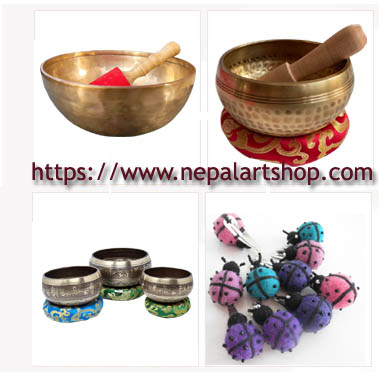

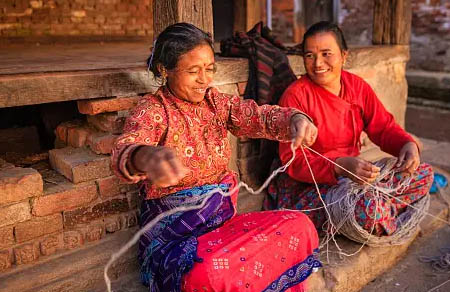
A tapestry of tradition and modern elegance — exploring Nepal's rich handicraft heritage.
Read More →
Discover the warmth of handmade felt crafts from Nepal — sustainable, ethical, and beautiful.
Read More →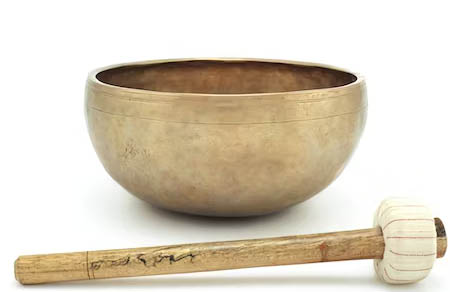
Discover the healing sounds and ancient traditions of Himalayan singing bowls.
Read More →