📖 The Timeless Allure of Fashion
From classroom to global runways — exploring fashion's enduring power.
Read More →
In a world increasingly shaped by machines and mass production, Nepali felt crafts carry a different kind of power. They slow us down. They ask us to feel texture, notice detail, and appreciate time.
Among the oldest handmade traditions in the Himalayas, felt craft stands as one of Nepal's quiet masterpieces—a humble textile transformed into art through patience, skill, and ancestral knowledge. At Nepal Art Shop, felt is not simply crafted—it is given life.
From handcrafted felt garlands and holiday ornaments to educational toys, slippers, wall décor, and nursery mobiles, Nepal's felt collection offers more than decoration—it offers cultural continuity. This is not merely craftsmanship. It is living heritage.
Nepali felt crafts are handmade products created from wool using traditional wet felting techniques. Unlike woven fabric, felt is made by bonding wool fibers through moisture, heat, and pressure—no loom, no shortcuts. This ancient craft has been practiced in the Himalayas for centuries, passed down through generations of Nepali artisan communities.
Felt is one of the oldest textiles known to humanity. In the Himalayas, it became essential for survival—insulating homes, protecting against mountain cold, and serving spiritual rituals. That tactile intimacy makes felt one of the most human textiles ever created.
Long before industrial weaving, there was felt. UNESCO recognizes felt making as part of humanity's intangible cultural heritage. In Nepal, felt evolved from necessity into artistry. The knowledge of wool transformation became embedded in cultural identity—mother to daughter, father to son, community to community.
Every felt creation begins with wool—raw, organic, and alive with natural texture. Nepali artisans carefully select high-quality wool, often sourced from Himalayan sheep.
Raw wool sorted for texture, softness, and strength.
Wool washed thoroughly while preserving natural integrity.
Eco-friendly dyes create earth reds, forest greens, and Himalayan whites.
Water, soap, and pressure bind fibers into dense textile forms.
Flowers, animals, garlands, ornaments—every shape built by hand.
Needlework brings personality—no machine can replicate handmade beauty.
Soft, breathable, naturally insulating. Handmade felt slippers offer warmth during winter while supporting artisan communities.
Perfect for festivals, weddings, nurseries, and meditation spaces. Felt garlands transform spaces into stories.
Soft, safe, colorful—perfect for sensory learning. Children engage with handmade texture in a digital age. That matters.
A felt ornament can be decorative. But it can also carry cultural memory. That is the deeper value of handmade felt artifacts—they preserve stories.
When you buy fair trade felt crafts, you sustain livelihoods, preserve knowledge, and protect tradition. Learn more about fair trade in Nepal →
Felt is naturally sustainable. Wool is renewable, biodegradable, durable, and long-lasting. Unlike synthetic decor and plastic toys, felt returns naturally to the earth. Research shows wool felt has a significantly lower environmental footprint than synthetic alternatives.
Contact Nepal Art Shop for wholesale pricing →
When shopping for handmade felt products from Nepal, look for these signs of authenticity:
Explore authentic Nepali felt crafts at Nepal Art Shop →
Yes. High-quality wool felt is surprisingly durable. With proper care, handmade felt products last for years and become softer over time.
Handmade felt carries human touch—subtle irregularities create complex textures impossible to mass-produce. Each piece is unique.
Spot clean with cold water and mild soap. Avoid machine washing. Air dry away from direct sunlight.
Yes. Nepal Art Shop offers custom orders for wholesale buyers. Contact them directly →
Explore more at Nepal Art Shop | Email: nepalartshop@gmail.com | Contact: 977 9860937940
Thank you for reading Global Post Headline.
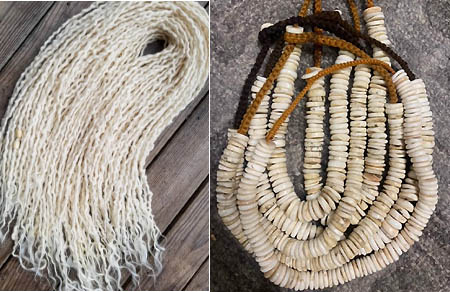
Shop authentic felt crafts, Pashmina, singing bowls, and handmade gifts directly from Nepali artisans.
Shop Now →
From classroom to global runways — exploring fashion's enduring power.
Read More →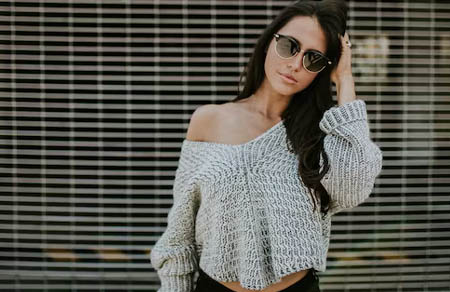
How second-hand style is rewriting fashion with circular economy.
Read More →