Uneven Adoption of Ad-Free Platforms: Insights from European Perspectives and the Growing Appeal of Video-Centric Experiences
As the festive season approaches, the allure of the Christmas tree is no longer limited to the joy of unwrapping gifts. Today, a digital Christmas experience awaits those who log into Facebook, where personalized ads, tailored with an almost mind-reading precision, dominate the newsfeed. However, a significant shift is underway as tech giants like Meta, formerly Facebook, explore ad-free subscription options for users willing to pay a premium. This transformation is reshaping the digital media landscape across Europe and beyond.
Escape from Ad Overload: The Rise of Premium Tiers
Meta's recent introduction of ad-free subscriptions for €9.99 a month in Europe is just one example of a broader trend. Twitter (now X), TikTok, and Snapchat are also testing ad-free subscription models, providing an escape for those with the means to avoid the constant bombardment of online ads. The move comes as data privacy regulations, particularly the EU's GDPR and Digital Services Act, have made personalized advertising more legally complex. For Meta, the subscription model offers a path to comply with European data protection rules while maintaining revenue from users who opt to continue seeing ads for free.
Media Landscape in Flux: From Newspapers to Streaming
The quest to reach high-value consumers extends beyond social networks. Traditional media, such as newspapers and magazines, has faced challenges as online subscriptions gain traction. The New York Times now has over 9 million digital subscribers, while The Guardian's voluntary reader contributions model has proven successful. In the music realm, platforms like Spotify are offering ad-free listening experiences through paid subscriptions, further reshaping the media landscape. 220 million Spotify Premium subscribers now enjoy uninterrupted listening, demonstrating the mainstream acceptance of ad-free models.
Television's Digital Transition: The Streaming Shift
Television, a $160 billion industry, is undergoing its digital transition, with streaming services like Netflix and Disney+ gaining prominence. While ad-supported tiers are emerging (Netflix Basic with Ads at $6.99/month), the number of commercials per hour remains significantly lower than on traditional broadcast TV. As viewers shift to streaming, television's ad inventory in the U.S. is expected to decline by a quarter over the next four years. This shift is forcing traditional broadcasters like Comcast and Paramount to accelerate their streaming strategies or risk becoming irrelevant to younger demographics who have grown up without commercial breaks.
Regulation and Technological Change: Catalysts for Ad-Free
Regulation, particularly in Europe, has played a pivotal role in prompting ad-free options. Meta's move to offer ad-free subscriptions in response to data-protection rules showcases the impact of legal developments. The Court of Justice of the European Union has consistently ruled that users must actively consent to tracking, not merely opt out. Simultaneously, technological changes, such as Apple's App Tracking Transparency (released in 2021) allowing users to opt out of app tracking, have disrupted the effectiveness of personalized ads, leading to alternative monetization methods. Meta estimated that Apple's changes cost the company $10 billion in lost advertising revenue in 2022 alone.
Ad-Free Options and Consumer Behavior: A European Paradox
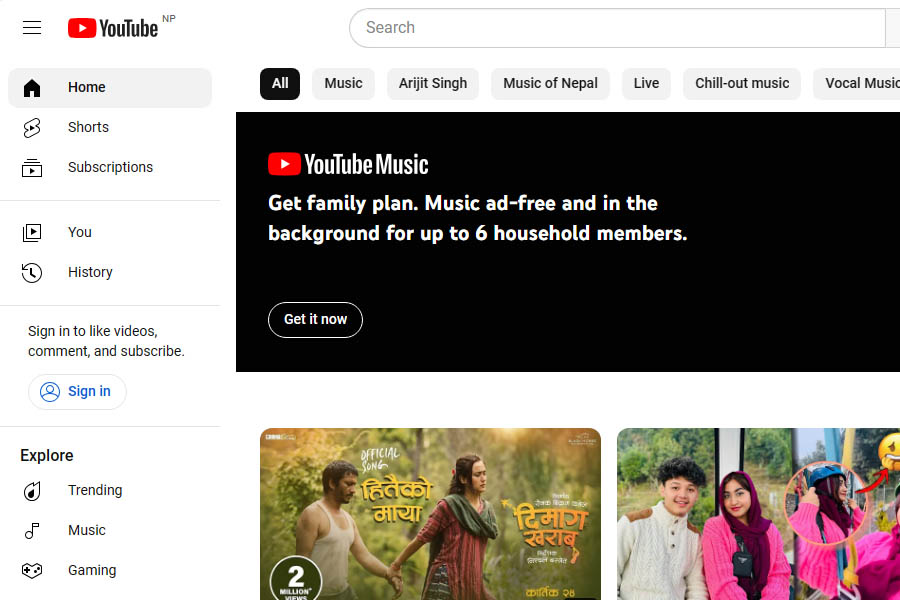
While ad-free options exist, their adoption is not universal. Europeans, in particular, may be hesitant to pay for ad-free social media experiences. Surveys suggest that only 5-10% of European Facebook users might convert to the paid tier, compared to higher adoption rates in wealthier Nordic countries. Cultural attitudes toward advertising, lower disposable incomes in Southern and Eastern Europe, and long-standing free access to platforms create resistance. Nevertheless, as Meta's platforms increasingly focus on video content—Reels now account for over 40% of time spent on Instagram—the appeal of ad-free alternatives may grow. YouTube Premium's success, with 80 million subscribers as of last year, indicates a strong demand for ad-free video content, especially among younger users who find pre-roll ads particularly intrusive.
The Changing Face of Advertising: New Avenues Emerge
As children become off-limits to certain ad-targeting tools and the wealthy opt for ad-free experiences, advertisers are exploring new avenues. Out-of-home media (digital billboards, transit advertising) is experiencing a renaissance, with global spending projected to reach $50 billion by 2026. Sponsorship of events—from music festivals to podcast series—offers brand integration without the interruption of traditional commercials. "Retail media" opportunities on platforms like Amazon are becoming increasingly attractive, with Amazon's ad business now generating over $40 billion annually. Influencers, charismatic personalities who engage with users, offer advertisers a way to reach audiences even in ad-free environments through product placements and sponsored content that feels organic rather than interruptive.
What's Next: The Hybrid Future
The advertising landscape is undergoing a transformative shift, driven by a combination of regulation, technological change, and shifting consumer preferences. As ad-free options become more prevalent, advertisers must adapt, seeking alternative avenues to engage with their target audience. The most likely outcome is a hybrid model: free, ad-supported tiers for price-sensitive users and premium, ad-free experiences for those willing to pay. For Meta and its peers, the challenge will be balancing user choice with advertiser demand. For brands, the future lies in less intrusive, more integrated forms of marketing—sponsored content, influencer partnerships, and experiential advertising. Despite these challenges, the ever-evolving nature of advertising ensures that brands will find innovative ways to connect with consumers, whether through traditional channels, influencers, or emerging opportunities in previously ad-free spaces.
Key Takeaway: The ad-free economy is not a monolith. Adoption varies by platform, region, and demographic. Europe's slower uptake of paid social media subscriptions contrasts with strong demand for ad-free video (YouTube Premium) and music (Spotify). For the foreseeable future, both ad-supported and subscription models will coexist, giving consumers choice and forcing advertisers to become more creative.
Hashtags: #AdFree #SubscriptionEconomy #Meta #YouTubePremium #Spotify #DigitalMedia #EuropeanTech #GDPR #StreamingWars #InfluencerMarketing
Global Post Headline — independent digital media and business coverage. globalpostheadline.com