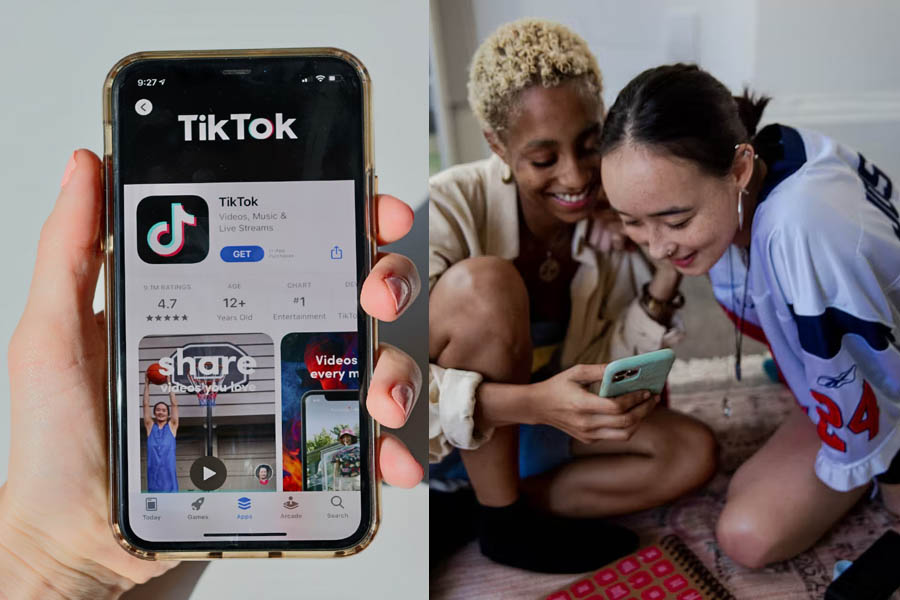
In a significant move to comply with new regulations in Indonesia, TikTok, the globally renowned social media app, has decided to halt its online shopping service in South East Asia's largest economy. This decision, effective from 17:00 Jakarta time (10:00 GMT), comes as the Indonesian government tightens its grip on the e-commerce landscape, aiming to safeguard local retailers in both physical and online spaces.
Indonesia's Regulatory Standpoint:
Indonesia, with its robust online market, became the pioneer for TikTok's e-commerce experiment in 2021, swiftly transforming into one of the platform's most significant markets through TikTok Shop. However, last week, the Indonesian government unveiled regulations compelling TikTok to separate its shopping feature from the app's popular video-sharing service. Indonesia's Trade Minister, Zulkifli Hasan, emphasized the need for a clear distinction between social media and e-commerce platforms, paving the way for TikTok's decision to suspend its shopping service.
TikTok's Compliance and Local Impact: In response, TikTok promptly affirmed its commitment to adhere to local laws, vowing to cease facilitating e-commerce transactions in TikTok Shop Indonesia. This decision reverberates across a vast user base; Indonesia boasts more than 125 million TikTok users, including 6 million sellers and countless creators who leverage TikTok Shop to promote their goods. However, the move aligns with the platform's priority to remain compliant with regulatory requirements. Social Media Influencers and Legal Challenges: Amidst these developments, Indonesia's social media landscape faced another significant event as a TikToker found herself embroiled in a controversial legal battle. Lina Lutfiawati, a prominent influencer, was sentenced to two years in jail and faced a substantial fine for a TikTok video where she uttered an Islamic phrase before consuming pork, a prohibited act in Islam. This case highlighted the challenges social media influencers face, often navigating complex legal and religious boundaries. Public Reactions and Activist Concerns: The reaction to Lutfiawati's sentence has been mixed, with societal divisions mirroring the complexity of the issue. While some praised the judge's decision, others criticized the perceived inconsistency in sentencing, especially when compared to other legal cases. Activists and rights groups have long criticized Indonesia's blasphemy laws, expressing concerns about their misuse against religious minorities and social media influencers alike.
As Indonesia's social media landscape undergoes significant shifts, TikTok's decision to suspend its e-commerce service underscores the challenges global platforms face in adhering to local regulations. Simultaneously, the case of Lina Lutfiawati highlights the delicate balance influencers must maintain between creative expression and societal norms. These events echo a broader conversation about the intersection of technology, culture, and law, emphasizing the need for thoughtful dialogue and adaptation in the ever-changing digital age. Indonesia's experiences serve as a compelling case study, urging the world to reflect on the evolving dynamics of social media, regulation, and individual freedoms in the modern era.