Challenges Mount as UN Delays Ceasefire Vote in Gaza: Hamas Rejects Israeli Offer Amid Escalating Tensions
In the ongoing conflict between Israel and Hamas, the United Nations Security Council faces hurdles in voting on the United Arab Emirates' proposal for a ceasefire in Gaza. This marks the third delay in the vote, originally scheduled for Monday, now anticipated on Thursday, as members negotiate the text to avoid potential veto from the United States, which has previously vetoed similar resolutions twice. The diplomatic deadlock comes as the Palestinian death toll in Gaza has surpassed 20,000, according to Gaza's Hamas-run health ministry, underscoring the urgent need for international action.
Ceasefire Rejected Amidst Hostage Negotiations
Hamas leader Ismail Haniyeh arrived in Cairo to discuss the conflict with Egyptian officials. Despite Israel's offer to pause fighting for a week in exchange for hostages, Hamas rejected the proposal, stating they wouldn't discuss releasing Israeli captives until a ceasefire is implemented. The negotiations included representatives of Palestinian Islamic Jihad, emphasizing the need for a ceasefire before any talks commence. Israeli officials had proposed the release of 40 hostages — women, children, elderly men, and ill captives — in exchange for a one-week pause in ground and air operations and the release of 120-150 Palestinian prisoners. Hamas's rejection represents a significant setback in efforts to secure the freedom of the estimated 130 hostages still held in Gaza.
Humanitarian Crisis Worsens
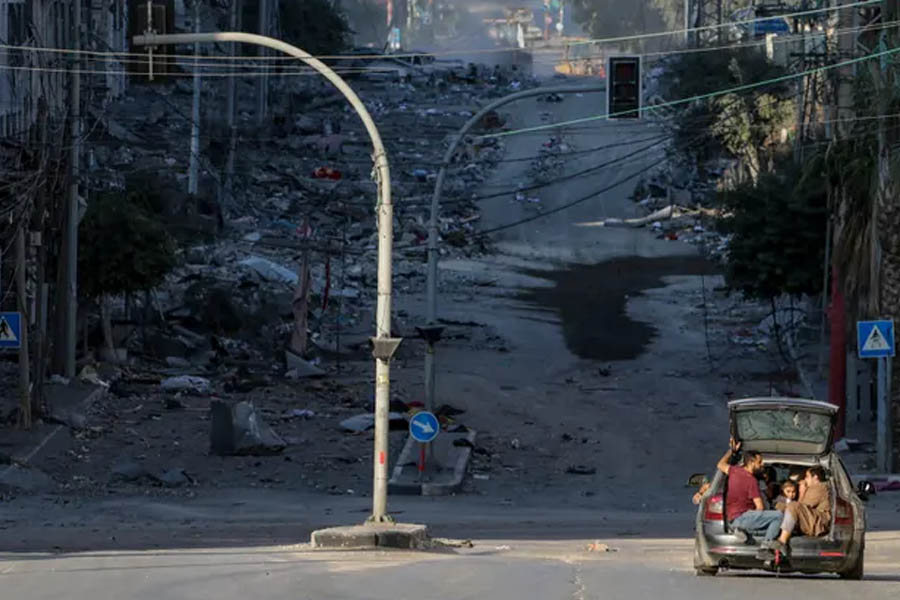
As the conflict persists, the Palestinian death toll in Gaza has surpassed 20,000, according to Gaza's Hamas-run health ministry. The United Nations Security Council considers a resolution led by the United Arab Emirates to allow more humanitarian aid into Gaza and potentially reduce or pause Israel's military operations. Gaza's population of 2.2 million faces dire conditions, with approximately 85% displaced within the enclave, scarcity of food, clean water, and a collapsing healthcare system. Despite aid entering through Egypt, distribution beyond the border town of Rafah remains limited, intensifying the humanitarian crisis. The World Food Programme has warned that half of Gaza's population is facing starvation, and disease outbreaks are spreading due to lack of clean water and sanitation.
International Dynamics and US Position
The Biden administration urges a change in tactics to limit civilian casualties in Gaza, with Secretary of State Antony Blinken pressing Israeli leaders for a transition from high-intensity operations to more targeted strikes. However, the US has continued to veto ceasefire resolutions at the Security Council, arguing that a ceasefire would allow Hamas to regroup. The resolution under consideration calls for an "urgent and sustainable cessation of hostilities" and demands the immediate release of all hostages. The UAE has been negotiating with the US to avoid a third veto, but sticking points remain, including language around "cessation of hostilities" versus "humanitarian pauses."
Israeli Military Operations Intensify
Israel continues its military operations, focusing on Khan Younis, Gaza's second-largest city, where Hamas's military leadership is believed to be hiding. The conflict's toll includes over 300 targets struck in the past day, with face-to-face battles between Israeli forces and Hamas fighters in various Gaza regions. Israeli Prime Minister Benjamin Netanyahu, while emphasizing the military campaign as leverage to recover hostages, faces pressure to shift tactics from Western allies. The smaller number of troops in Khan Younis signals a more focused approach, aiming to dismantle the city's tunnel system and change the dynamics of the conflict. Israeli Defense Minister Yoav Gallant has asserted continued action until reaching senior Hamas leaders in the area.
Search for Hamas Leadership in Khan Younis
Khan Younis has become a focal point in the conflict, prompting Israeli Defense Minister Yoav Gallant to assert continued action until reaching senior Hamas leaders. The smaller number of troops in Khan Younis signals a more focused approach, aiming to dismantle the city's tunnel system and change the dynamics of the conflict. Israeli intelligence believes that senior Hamas commanders, including Yahya Sinwar and Mohammed Deif, may be hiding in the extensive tunnel network beneath Khan Younis. The city has witnessed some of the heaviest fighting of the war, with Israeli forces engaging in house-to-house combat and discovering significant weapons caches.
UN Security Council's Dilemma
The UN Security Council grapples with finding a resolution that balances the urgent need for humanitarian aid with potential diplomatic consequences. The U.S., holding a veto, supports the resolution's purpose but emphasizes the importance of not hindering humanitarian assistance delivery. Ambassador Linda Thomas-Greenfield has indicated that the US could support the resolution if it explicitly condemns Hamas's October 7 attacks and does not call for a full ceasefire. However, the UAE and Arab nations have resisted adding language that could be seen as legitimizing the ongoing Israeli military campaign. With divisions remaining, the vote may be postponed further into January 2024.
The Path Forward: Prospects for Diplomacy
With mounting challenges in diplomatic efforts and escalating tensions on the ground, the situation in Gaza remains complex. The rejection of a ceasefire amid hostage negotiations underscores the deep-rooted complexities in resolving the conflict, posing significant challenges for international stakeholders seeking a peaceful resolution. The collapse of hostage talks has led to an intensification of Israeli military operations, with Khan Younis now facing destruction similar to Gaza City. As 2023 draws to a close, hopes for a ceasefire before the new year appear dim, and the humanitarian crisis continues to worsen by the day. The international community watches with alarm as the conflict shows no signs of abating.
Related Coverage: For ongoing updates on the Gaza war and diplomatic efforts, visit our Middle East Breaking News page and Israel-Gaza War Hub.
Global Post Headline — independent Middle East and diplomatic coverage. globalpostheadline.com | Follow live: middle-east-breaking.php