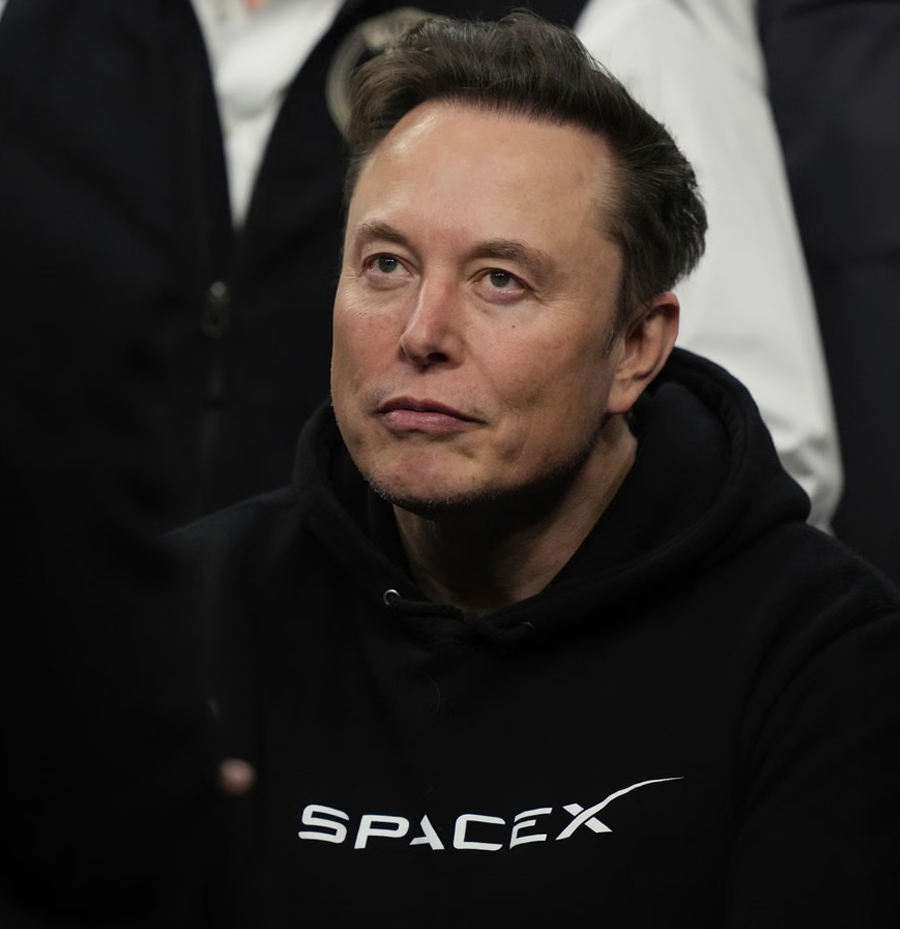
Elon Musk is now the world's first trillionaire. SpaceX's historic debut on the stock market launched the CEO to unprecedented levels of wealth — his personal fortune now amounts to $1.1 trillion, an increase of more than $62 billion since the previous day, according to Forbes.
13 June 2026 | Hawthorne, New York, Washington — Updated 20:30 GMT
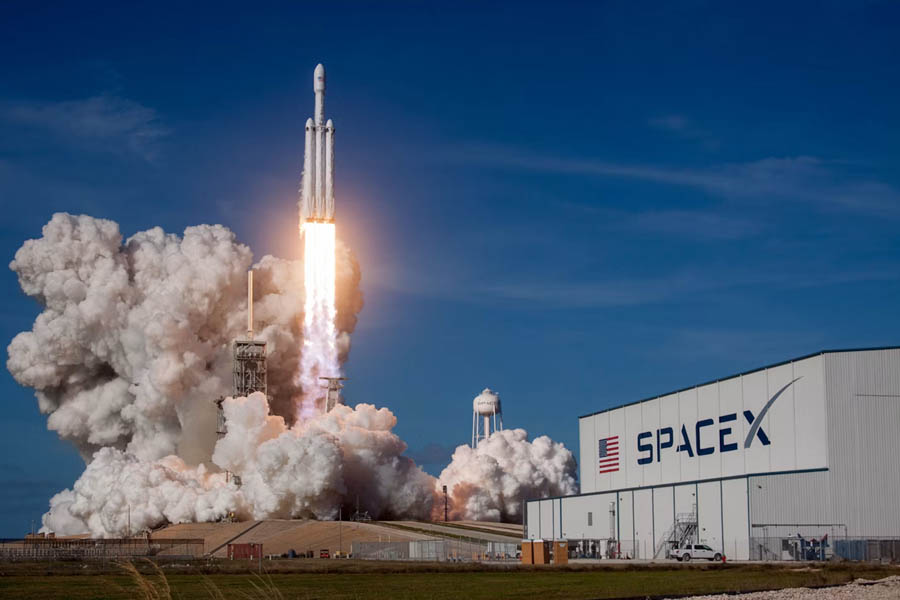
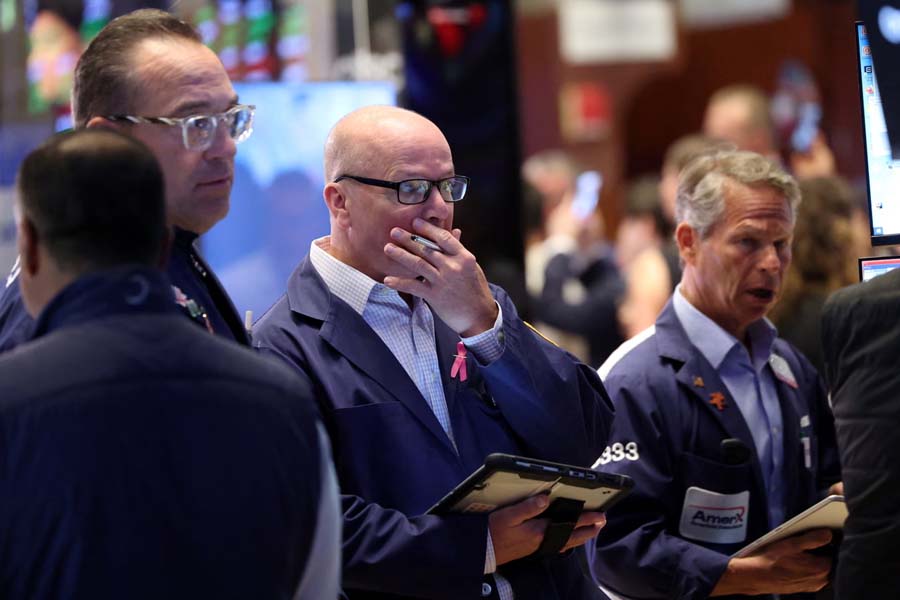
Elton John's "Rocket Man" blared across the floor of the Nasdaq exchange. Company executives rang the bell. A Falcon 9 rocket launched from Cape Canaveral, carrying 29 Starlink satellites into low-Earth orbit.
And Elon Musk, the world's most controversial billionaire, became the world's first trillionaire.
SpaceX made the biggest stock market debut in history on Friday after nearly two and a half decades as a private company. Public trading began around midday with a starting share price of $150, which quickly jumped by a double-digit percentage. At market close, shares traded at $160.95, up 19% from the IPO price of $135 — giving SpaceX a valuation of $2.1 trillion.
Only four companies in the world are worth more: Nvidia, Apple, Microsoft, and Amazon. SpaceX is now larger than Meta, Tesla, and Berkshire Hathaway.
Musk's personal fortune? $1.1 trillion, according to Forbes — an increase of more than $62 billion in a single day. His stake in SpaceX alone is now worth approximately $800 billion. He also owns about $300 billion in Tesla stock.
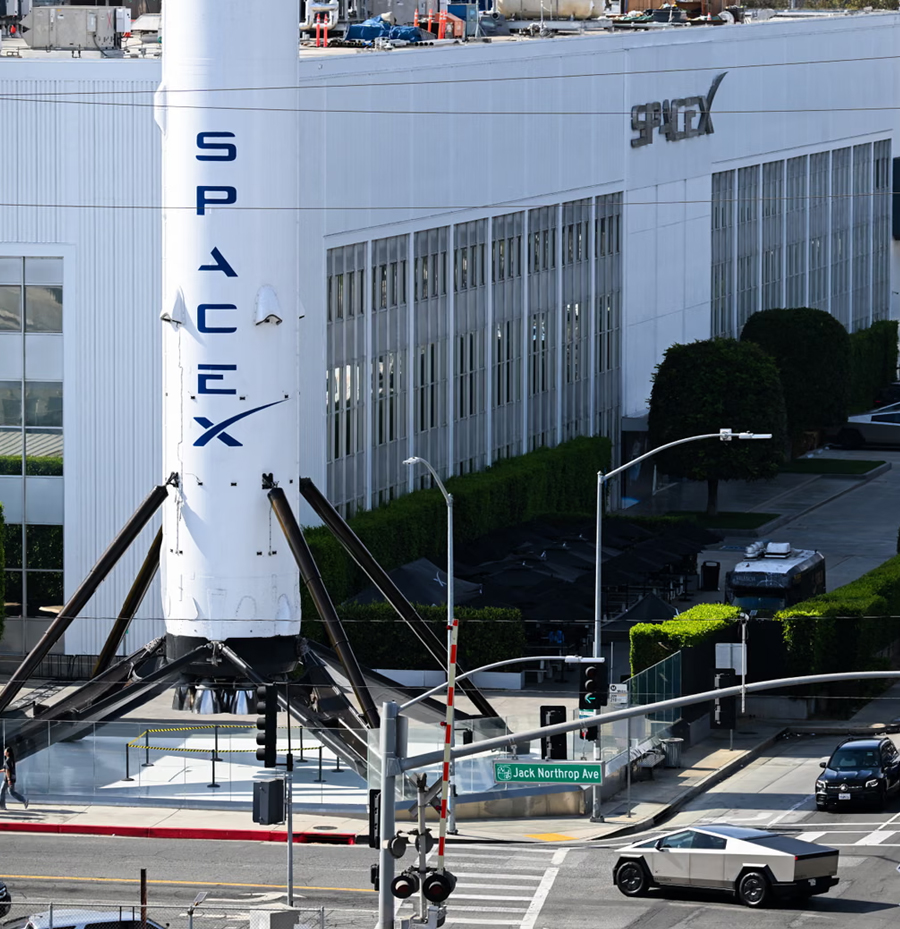
"It is certainly hard to believe that a little company that started in a warehouse in El Segundo is now going public with the largest IPO ever," Musk said at SpaceX's headquarters Friday morning. He reiterated the company's mission to "make humanity multiplanetary" and "take the fiction out of science fiction."
But not everyone was celebrating. Democrats blasted Musk's new trillionaire status. Bernie Sanders and Elizabeth Warren called for a wealth tax. Protesters gathered outside JPMorgan's Manhattan headquarters with signs reading: "Elon Musk is stealing your pension."
And economists warn that the consolidation of capital brought on by the SpaceX, OpenAI, and Anthropic IPOs could have profound effects on society. "There is a fundamental tension in democratic societies between extreme wealth and the very possibility of a well-functioning democracy," said French economist Gabriel Zucman.
Welcome to the age of the trillionaire — where a man who started in a warehouse now has a fortune larger than the GDP of all but 21 countries.
🚀 SPACEX IPO — THE NUMBERS: Largest IPO in history: $75bn raised • Starting share price: $150 • Closing price: $160.95 (↑19% from IPO price $135) • Peak price: $176 (↑30%) • Market valuation: $2.1tn • Elon Musk net worth: $1.1tn (first trillionaire) • Musk increase in one day: +$62bn • 4,400+ current/former employees become millionaires • 400 employees secure $100m+ • SpaceX revenue (2025): $18.7bn • Operating loss: $4.3bn.
'Today, We Make History Again': SpaceX's Record-Breaking Debut
SpaceX made the biggest stock market debut in history on Friday after nearly two and a half decades as a private company. Public trading began around midday with a starting share price of $150, which quickly jumped by a double digit percentage and sent the company's valuation above $2tn, where it remained through market close. The company's initial public offering made the company's CEO, Elon Musk, the world's first trillionaire.
"It is certainly hard to believe that a little company that started in a warehouse in El Segundo is now going public with the largest IPO ever," Musk said in an address at SpaceX's headquarters Friday morning. He reiterated the company's mission to "make humanity multiplanetary" and "take the fiction out of science fiction".
Company executives rang the bell to open trading as Elton John's Rocket Man played on the floor of the Nasdaq exchange in New York City.
"Today, we make history again. We have a history of making history," said SpaceX's president, Gwynne Shotwell, from the exchange building. Shotwell announced that the company had launched a Falcon 9 rocket on Friday morning from the Cape Canaveral Space Force Station in Florida, to take 29 Starlink satellites into low-Earth orbit.
SpaceX kicked off public trading at $150 a share, well above its pre-open price of $135. Throughout the company's first day of trading, SpaceX saw its stock pop, reaching a high of $176 per share. At market close, the company's shares traded at $160, up more than 19% from the initial price – putting SpaceX's valuation at a historic $2.1tn.
📊 SPACEX IPO — DAY ONE PERFORMANCE
- IPO price: $135 per share
- Opening price: $150 per share
- Peak price (midday): $176 per share (↑30%)
- Closing price: $160.95 per share (↑19%)
- Valuation at close: $2.1 trillion
- Capital raised: $75 billion (largest IPO ever)
- Investor demand: 4x oversubscribed
The World's First Trillionaire: Musk's $1.1tn Fortune
Musk, the founder of SpaceX, has a large stake in the company as majority shareholder, so as investors' enthusiasm validated the eye-popping valuation during Friday trading, he took title of the world's first-ever trillionaire, with Forbes estimating his net worth at $1.1tn at the end of trading. The mogul is also the CEO of Tesla, which is valued at $1.2tn, and his stake in the EV maker is worth around $300bn.
Musk was already the world's wealthiest person. In the days before SpaceX officially went public, his net worth hit $782bn, dropping by $50bn in one month due to a decline in Tesla's share price, according to Forbes. However, the figure represents a huge leap from a decade ago, when the tech executive's net worth hovered around $14bn – and an even bigger jump compared with 15 years earlier, when he was worth just $680m, according to Forbes.
— Elon Musk, SpaceX CEO
It can be hard to conceptualize such exorbitant wealth. To drive home just how much money $1.1tn is: only about 21 countries' yearly economic output exceeds $1tn. Even Musk's birthplace isn't part of that elite club; South Africa's output of goods and service is closer to $480bn. A trillion dollars is enough to buy 243bn gallons of gasoline. (That's more than the nearly 137bn gallons Americans used last year.)
SpaceX's stock soared after its debut. At market close, at 4pm ET, its share price was $161, up 19% from its initial price of $135 per share. SpaceX had opened at $150 a share before peaking at $176 at midday.
The vast majority of Musk's money is tied up in stocks and equity, and isn't available as cash he can quickly spend. His portfolio of companies includes Tesla, the electric car maker, and xAI, the AI startup that was folded into SpaceX earlier this year.
💰 MUSK'S $1.1 TRILLION NET WORTH — BREAKDOWN
- SpaceX stake: ~$800 billion
- Tesla stake: ~$300 billion
- Other assets (X, etc.): ~$20 billion
- Increase in one day: +$62 billion
- Net worth 10 years ago: ~$14 billion
- Net worth 15 years ago: ~$680 million
400 New Centi-Millionaires: SpaceX Employees Strike It Rich
For SpaceX employees, the record-shattering valuation means they are about to get a lot richer. More than 4,400 current and former employees are expected to become millionaires with the IPO, according to the New York Times, with 400 of them each securing $100m or more.
Many longstanding Musk allies stand to increase their fortunes by billions. SpaceX's board and list of major investors is stocked with close friends and acolytes of Musk, some of whom have been tethered to him and his companies for over a decade.
SpaceX president Gwynne Shotwell, who has worked for two and a half decades with Musk and held her title since 2008, stands to see her stake of roughly 12.6m shares become worth more than $3bn, according to the Observer. CFO Bret Johnson could see his stake of 9.6m shares become worth $1.4bn.
The AI Connection: Why SpaceX Is Worth $2.1tn
SpaceX's IPO comes in what is predicted to be a banner year for public offerings of artificial intelligence companies, a group the rocket maker is part of as the acquirer of Musk's AI startup, xAI. Rivals OpenAI and Anthropic have also filed to go public sometime this year and are predicted to raise record sums at valuations near $1tn, which would orient the US stock market heavily towards AI companies.
Musk has said that the reason SpaceX is seeking to go public, raising billions of dollars, is to be able to obtain the capital necessary to further explore space and create human colonies on other planets.
"Our mission is to build the systems and technologies necessary to make life multiplanetary, to understand the true nature of the universe, and to extend the light of consciousness to the stars," SpaceX's investor prospectus reads.
SpaceX is a conglomeration of several of Musk's businesses, including the satellite maker and internet service provider Starlink, xAI, social media platform X and the SpaceX rocket business.
While expansive, the company is not profitable. Last year, SpaceX pulled in a revenue of $18.7bn, while recording an operating loss of $4.3bn. For comparison, social media company Meta generated revenue of more than $200bn last year with a net income upwards of $60bn.
— Quinn Slobodian, history professor, Boston University
This lean into AI is what's allowed Musk to claim such high valuation for SpaceX – because many investors now believe "AI is such a once-in-a-millennium opportunity that it merits these extravagant expectations", says Mihir Desai, a professor at Harvard Business School. Desai says the space business alone wouldn't have generated such excitement.
SpaceX is running up billions of dollars in losses, and its prospectus warns it may never become profitable. Many great businesses start off losing money but "the real question is how people come to believe that the future is so, so bright that those losses will not just turn into profits, but will turn into really massive profits", Desai says. "That's a story about not just SpaceX, but really about AI."
'The System Is Rigged': Democrats Blast Musk's Trillionaire Status
A host of prominent Democrats criticized Musk on X as SpaceX shares began to trade, framing his growing fortune as an example of glaring inequality in the US and a broken system. Several, including Senators Bernie Sanders and Elizabeth Warren, called for legislation to tax extreme wealth.
"The typical American household would have to work more than 11 MILLION years to make Elon Musk's level of wealth," Warren posted. "We need a wealth tax."
California governor and potential 2028 presidential candidate Gavin Newsom posted "when the federal government is for sale, the rich get richer and everyone else gets shafted," adding that "the system is rigged."
A small group of protesters gathered outside JPMorgan's Manhattan headquarters on Friday, with signs stating: "Elon Musk is stealing your pension."
"The billionaire class is willing to rig every rule in the book to enrich themselves," said Jonathan Westin, executive director of Climate Organizing Hub, a grassroots environmental group. "At a time where the majority of Americans are facing an affordability crisis, Musk is about to pilfer the retirement funds of working people to enrich himself and support an authoritarian political agenda."
At least three protesters were dressed up as "Trillionaires for Trump." One of their signs read: "The market demands your sacrifice."
— Gabriel Zucman, French economist
🚀 SPACEX IPO: THE NUMBERS THAT DEFINE THE LAUNCH
📊 SPACEX VS TECH GIANTS ($ TRILLIONS)
📈 ELON MUSK'S NET WORTH TRAJECTORY
↑$62 billion increase in ONE DAY
💰 SPACEX FINANCIALS (2025)
"May never become profitable" — Prospectus warning
👥 SPACEX EMPLOYEE WEALTH CREATION
New millionaires
Securing $100m+ each
Gwynne Shotwell's stake
🗣️ POLITICAL REACTIONS TO THE FIRST TRILLIONAIRE
Senator Elizabeth Warren:
"The typical American household would have to work more than 11 MILLION years to make Elon Musk's level of wealth. We need a wealth tax."
Gavin Newsom (CA Governor):
"When the federal government is for sale, the rich get richer and everyone else gets shafted. The system is rigged."
The Democrats (Official Account):
"The same man who cut children's cancer research is now a trillionaire."
🗣️ THE VOICES OF THE SPACEX IPO
Elon Musk (SpaceX CEO):
"Today, we make history again. We have a history of making history. Our mission is to build the systems and technologies necessary to make life multiplanetary."
Mihir Desai (Harvard Business School):
"The real question is how people come to believe that the future is so, so bright that those losses will not just turn into profits, but will turn into really massive profits."
Gabriel Zucman (French economist):
"The battle between democracy and oligarchy will be the defining battle of the 21st century."
🚀 THE FINAL VERDICT: TO THE MOON — AND BEYOND
✅ THE BULL CASE:
- Largest IPO ever — $75bn raised
- $2.1tn valuation — 5th largest company in world
- Musk becomes first trillionaire ($1.1tn)
- 4,400+ employees become millionaires
- Investor demand 4x oversubscribed
⚠️ THE BEAR CASE:
- Not profitable — $4.3bn operating loss
- Prospectus warns "may never become profitable"
- Musk controls 85% voting shares (volatile)
- Democrats calling for wealth tax
- Economists warn of "oligarchy vs democracy"
"A warehouse in El Segundo. That's where it started. Twenty-four years later, SpaceX is the largest IPO in history. Elon Musk is the world's first trillionaire. Four thousand four hundred employees are now millionaires. A Falcon 9 launched on the same morning. And Elton John's 'Rocket Man' played on the floor of the Nasdaq. But Democrats are furious. Economists are warning of oligarchy. And the company is losing billions. The AI boom has minted a trillionaire. The question is: how long will he stay one?"
— SpaceX IPO Analysis
Stay updated with the latest IPOs, tech stocks, and market analysis on our Global Markets Page.