Nepal's Political Crossroads: Monarchy vs Democracy - The Battle for Nepal's Future
Sixteen years after the abolition of the 240-year-old monarchy, Nepal stands at a critical crossroads. The republican experiment, once hailed as a revolutionary shift, is increasingly being questioned by a growing segment of the population. As corruption scandals rock successive governments and geopolitical mismanagement threatens national stability, the call for monarchy restoration has moved from fringe debates to mainstream political discourse.
The Rise of the Royalist Movement
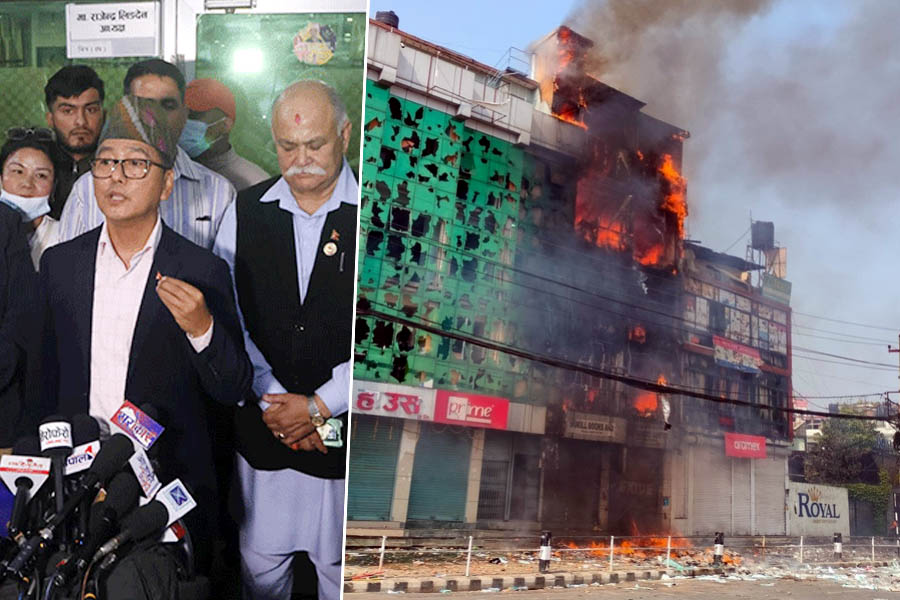
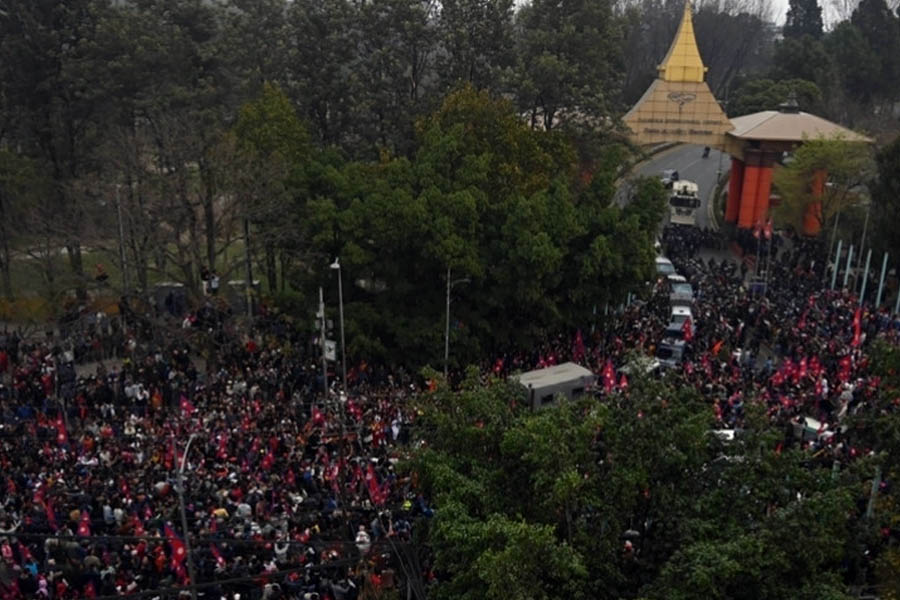
The catalyst for the current political upheaval came on March 28, 2024, when thousands gathered in Kathmandu's Tinkune area demanding the restoration of the monarchy. The protest, led by the Rastriya Prajatantra Party (RPP) and activist Durga Prasai, turned violent, leaving two dead and 128 injured. The government's heavy-handed response, including the arrest of 41 royalist leaders, has only intensified public sympathy for the movement.
- Political stability with one head of state
- Limited political freedoms
- Continuity in foreign policy
- National unity symbol
- Democratic representation and rights
- Frequent government changes (10+)
- Widespread corruption scandals
- Evolving democratic institutions
Why the Republic is Under Fire
Since the abolition of monarchy in 2008, Nepal has experienced over ten different governments, with none completing a full five-year term. Chronic political instability has translated into poor governance, stalled development projects, and an economy struggling to recover from multiple shocks. The 2023-2024 floods and landslides exposed the government's inadequate disaster response, while the cooperative fraud scandal implicated numerous political leaders, further eroding public trust.
Key Failures of Republican Governance
- Economic Stagnation: Youth unemployment remains at crisis levels, driving record numbers of young Nepalis to seek work abroad
- Corruption Epidemic: High-profile scams including the cooperative fraud (over Rs 1.1 billion embezzled) have implicated sitting politicians
- Infrastructure Paralysis: Major projects like the Kathmandu-Kerung railway and Pancheswar hydropower remain stalled for decades
- Geopolitical Chaos: Erratic foreign policy has strained relations with both India and China, with Nepal losing leverage with both neighbors
RPP's Strategic Leadership of Royalist Movement
Under Chairman Rajendra Prasad Lingden, the Rastriya Prajatantra Party has transformed from a fringe player (winning just 14 seats in the 2022 elections) into the undisputed leader of Nepal's royalist aspirations. Lingden's bold challenge to the government—"Arrest the king, and we will show our strength"—has resonated with a public disillusioned with republican failures.
RPP's Three-Pronged Strategy
- Street Mobilization: Nationwide protests demanding monarchy restoration and dissolution of current government
- Legal Challenge: Constitutional petition to protect royalist activists and challenge republican framework
- Political Alliance: Coalition building with dissatisfied factions of communist parties
Nepal's political crisis has attracted international attention. China sees opportunity in monarchist dissatisfaction with India-leaning governments, while India prefers stability but remains wary of Chinese influence through royalist channels. The United States watches with concern but maintains pragmatic relations regardless of Nepal's constitutional arrangement. Nepal's future will likely be shaped by which of these powers can offer the most attractive partnership.
What Comes Next? Three Scenarios for Nepal
- Scenario 1: RPP Ascendancy (Most Likely 2025-2027): RPP emerges as kingmaker in next federal elections, forcing constitutional amendments that restore a ceremonial monarchy while retaining democratic institutions. This hybrid model mirrors constitutional monarchies like Britain, Japan, and Spain.
- Scenario 2: Full Monarchy Restoration (2028-2030): Continued republican failures and economic crisis lead to popular referendum on monarchy restoration. King Gyanendra Shah's son, Crown Prince Paras, or another royal figure assumes constitutional role.
- Scenario 3: Republican Reform (2025-2026): Current parties implement serious anti-corruption measures and governance reforms, undercutting royalist momentum. This remains unlikely given entrenched political interests.
What Nepalis Want
Recent public sentiment indicates that most Nepalis are not seeking an absolute monarchy but rather a stable, accountable governance system. The royalist movement's strength lies not in nostalgia for royal autocracy but in frustration with republican chaos. Many Nepalis would support a constitutional monarchy similar to the United Kingdom, Spain, or Japan—where the monarch serves as a unifying national symbol while elected officials govern.
Nepal stands at its most consequential political crossroads since 2008. The royalist movement, once dismissed as a fringe nostalgia act, has become a genuine force for constitutional change. Whether Nepal moves toward a restored monarchy, a reformed republic, or an entirely new political model will depend on the government's ability to address corruption, economic stagnation, and geopolitical mismanagement. What is certain is that the Nepal of 2030 will look very different from the Nepal of today—and the choices made now will shape the Himalayan nation for generations to come.
Global Post Headline — Independent political and geopolitical analysis from Nepal. globalpostheadline.com