Nepal's Political Earthquake: RPP Leads Royalist Resurgence Amid Republican Failures
As republican governance falters with corruption and geopolitical missteps, the Rastriya Prajatantra Party emerges as the standard-bearer for monarchy restoration - potentially reshaping Nepal's future alliances with India and China.
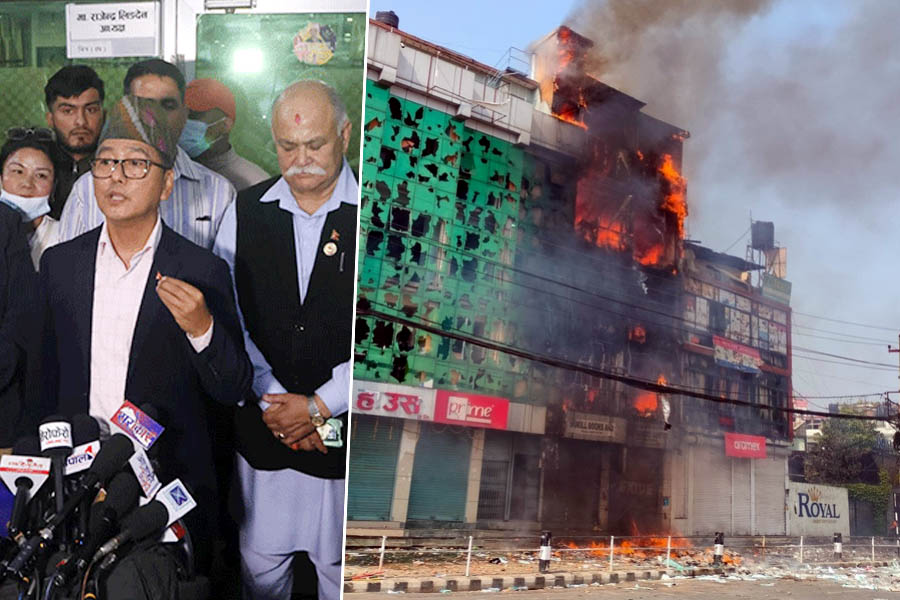
RPP Chairman Rajendra Prasad Lingden has openly challenged the government to arrest former King Gyanendra Shah, declaring: "Arrest and show the king, and we will show our strength." This bold move positions the RPP as the undisputed leader of Nepal's royalist movement amid growing public dissatisfaction with republican governance.
- RPP threatens nationwide protests if arrested leaders aren't freed within 24 hours
- Death toll rises to 2 (journalist Suresh Rajak and protester Sabin Maharjan)
- 128 injured including 77 security personnel
- 41 royalist leaders and activists remanded for 5 days
- Durga Prasai still at large despite arrest warrant
The Geopolitical Backdrop: Why Royalism is Resurging
Nepal's political landscape is shifting due to:
- Chronic Republican Failures: Rampant corruption and poor governance since monarchy's abolition
- Geopolitical Mismanagement: Erratic dealings with India, China, and US creating instability
- Public Sentiment: Growing nostalgia for monarchy's stability amid economic struggles
- Strategic Realignment: Citizens seeking balanced cooperation with both India and China
The Spark: Friday's Fateful Rally
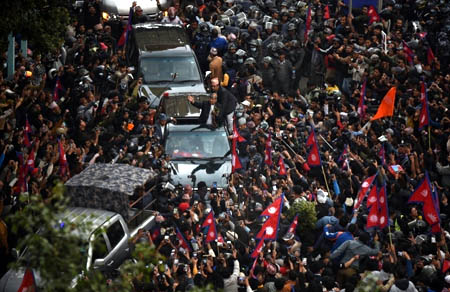
At 11:30 AM on March 28, thousands gathered in Kathmandu's Tinkune area under the banner of the United People's Movement Committee, demanding restoration of Nepal's monarchy (abolished in 2008), dissolution of the current government, and an end to alleged corruption in federal institutions.
RPP's Strategic Gambit
The Rastriya Prajatantra Party has publicly embraced Durga Prasai's movement after initial hesitation, positioned itself as the political face of royalist aspirations, issued ultimatums to government regarding arrested leaders, and planned nationwide protests to capitalize on momentum.
Three structural shifts are emerging: RPP's Leadership has transitioned from fringe player to central political force; Geopolitical Rebalancing as royalist movement favors stable ties with both India and China; and Constitutional Crisis with growing calls to revisit 2015 constitution's republican framework.
What Comes Next? Three Potential Futures
- RPP Ascendancy (Most Likely): Party gains kingmaker status in next elections, forcing constitutional amendments
- Constitutional Monarchy Restoration: Gyanendra Shah returns as ceremonial monarch within 5-7 years
- Authoritarian Crackdown: Government suppresses movement, deepening political crisis
- Nationwide protests beginning April 2 if leaders not released
- Constitutional petition to protect royalist activists
- Alliance building with dissatisfied communist factions
Regional powers are closely watching: India prefers stable Nepal but is wary of China's potential influence through royalists; China sees opportunity in monarchist factions' dissatisfaction with current pro-India government; US is concerned about democratic backsliding but pragmatic about regional realities.
Final Analysis: Nepal stands at its most consequential political crossroads since 2008. The RPP's bold leadership of the royalist movement, combined with republican governance failures and geopolitical tensions, has created perfect conditions for systemic change. While immediate monarchy restoration remains unlikely, the protest's aftermath suggests Nepal's political future will be shaped by this resurgent royalist movement - with profound implications for both domestic governance and international relations in the Himalayan region.
- April 5: RPP's mass rally in Kathmandu
- Possible cabinet reshuffle to address crisis
- China's Belt and Road investments in royalist strongholds
Global Post Headline — Independent political and geopolitical analysis from Nepal. globalpostheadline.com