Mysteries of Kali: The Terrifying Goddess of Rituals
In the pantheon of Hindu deities, there exists a figure shrouded in mystery and awe-inspiring power: Kali, the goddess who presides over all rituals. She commands reverence and fear alike, holding sway over the elements with an intensity that captivates and terrifies. But why is she worshipped with such fervor, and why do questions about her nature persist?
Who is Goddess Kali?
Kali is the Hindu goddess of time, change, power, and destruction. She is the fierce form of the Divine Mother, who destroys evil forces and protects her devotees. Her name derives from the Sanskrit word "kala," meaning time or blackness, representing the darkness from which all creation emerged.
The Terrifying Yet Compassionate Form
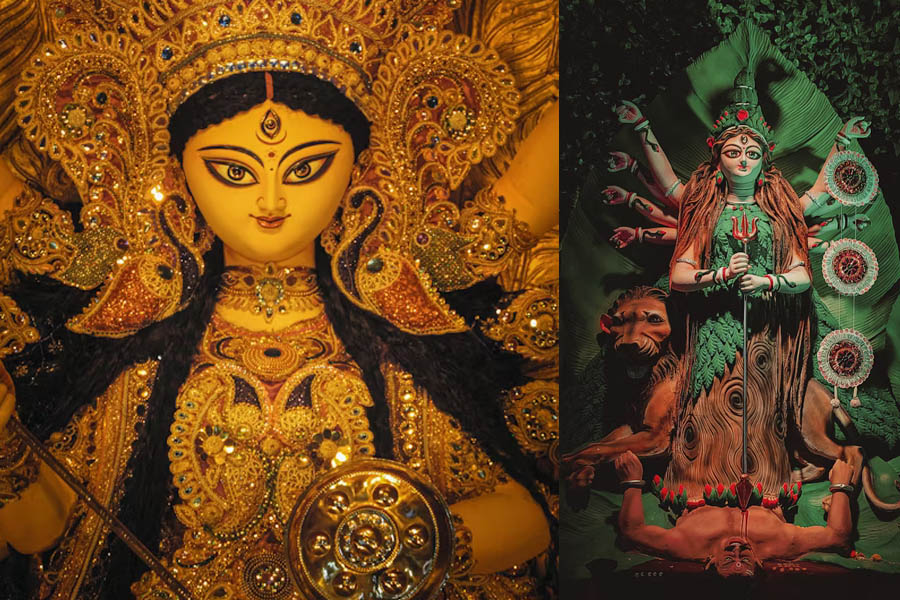
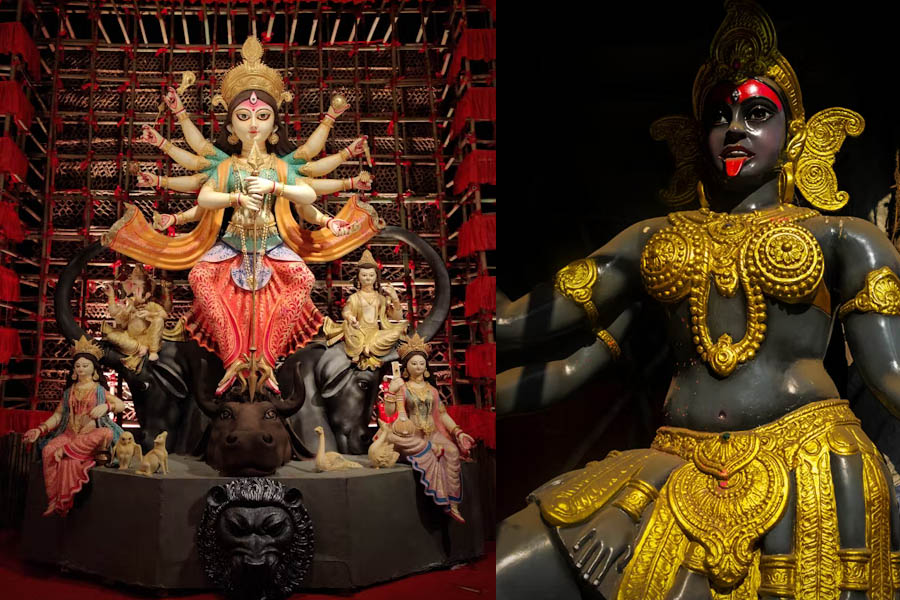
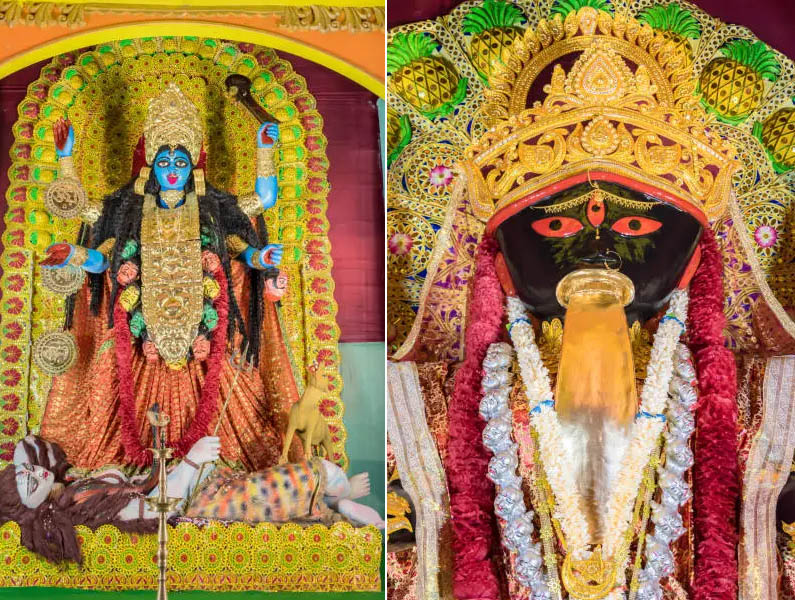
Kali is often depicted in a fearsome form, with dark complexion, disheveled hair, a garland of skulls around her neck, and a skirt of severed arms. She holds a sword in one hand and a severed demon head in another, embodying both destruction and creation. Her presence is felt long after rituals have ended, leaving an indelible mark on those who encounter her. It is said that the mere sight of her invokes terror, yet amidst the fear, there is a strange allure that draws devotees closer.
Symbolism of Kali's Iconography
- Dark Complexion: Represents the infinite, formless void beyond creation
- Skull Garland (50 Skulls): Symbolizes the 50 letters of the Sanskrit alphabet, representing knowledge
- Severed Arms: Represents the ego being severed in devotion
- Bloodied Tongue: Shows that she consumes all shame and embarrassment
- Foot on Shiva's Chest: Represents the power of Shakti over consciousness
The rituals dedicated to Kali are not for the faint of heart. They involve fierce dances, symbolic of cosmic forces colliding, and enactments of divine laws that govern the universe. Despite the initial fear evoked by her formidable form, devotees find solace in her presence, seeking refuge in her power.
The Macabre Symbols of Devotion
One of the most striking aspects of Kali worship is the adornment of her devotees with gruesome ornaments made from the severed heads of demons. These macabre symbols serve as a reminder of the triumph of good over evil, yet they also highlight the paradoxical nature of devotion to the goddess.
The Blood Offering Tradition
In traditional Kali worship, offerings of animal sacrifice were historically made to honor the goddess's fierce nature. Today, many devotees substitute animal sacrifice with symbolic offerings of red flowers, hibiscus, or red sandalwood paste, representing the blood of the ego being offered to the Divine Mother.
The imagery associated with Kali is replete with symbolism, from her multitude of arms wielding weapons to her association with the trident, a potent symbol of her power. It is said that within the trident, cosmic forces converge, unleashing both destruction and renewal.
Hanuman: The Herald of Divine Power
Behind Kali strides Hanuman, the embodiment of strength and devotion, heralding the arrival of power and protection. His presence reassures devotees even as they confront the terrifying aspects of Kali's divine nature. Known as "Langur Veer" in this context, Hanuman announces the coming of the goddess with a powerful message: "Power is coming. Prepare for your destruction, take refuge in it."
The Role of Yoginis
Behind Kali come her yoginis — fierce female deities who are like the roots of terror, gathered together. At night, their voices are terrifyingly loud. These yoginis are the attendants of Kali, embodying the raw, untamed energy of the goddess. They cut down demons, adorn themselves with their severed heads, and demand offerings of meat and blood.
Kaal Bhairav: The Terrifying Lord of the House
Kali is not alone in her dominion over rituals and the forces of the universe. She is accompanied by Bhairav, the terrifying lord of the house, whose very name strikes fear into the hearts of demons. Bhairav, often depicted as riding a dog and surrounded by yoginis, embodies the ferocity of Kali's divine wrath.
Different Forms of Bhairav
- Kaal Bhairav: The lord of time, destroyer of enemies
- Kilkari Bhairav: Who kills enemies with his mere record or voice
- Asitanga Bhairav: The dark-limbed one
- Sanga Bhairav: The one who accompanies the goddess
In the realm of Tantra, Kali and Bhairav reign supreme, their forms embodying the most potent aspects of divine power. From the destruction of enemies to the consumption of sacrificial offerings, their presence looms large in the rituals of devotees seeking spiritual enlightenment.
The Legend of Raktabeej
One of the most famous stories associated with Kali is the battle against the demon Raktabeej. Lord Shiva had granted Raktabeej a boon that wherever a drop of his blood fell on the ground, another demon exactly like him would be born. This made him virtually invincible.
Kali's Triumph
When the gods could not defeat Raktabeej, Goddess Kali emerged in her fierce form. As she fought the demon, she caught every drop of his blood before it could touch the ground, drinking it to prevent new demons from being born. She eventually devoured Raktabeej himself, saving the universe from his terror. This legend symbolizes the destruction of ego (Raktabeej) and the triumph of divine consciousness over dark forces.
Kali and Shiva: The Divine Dance
The imagery of Kali standing on Shiva's chest is one of the most profound in Hindu mythology. After destroying the demons, Kali was intoxicated with the blood of battle and continued her rampage. To calm her, Lord Shiva lay down among the corpses. When Kali stepped on him, she realized her mistake and bit her tongue in shame, symbolizing the control of the ego over the divine.
The Cosmic Balance
This imagery represents the balance between power (Shakti/Kali) and consciousness (Shiva). Without consciousness, power becomes destructive. Without power, consciousness remains inert. Together, they represent the complete cosmic reality — creation, preservation, and destruction.
Kali Worship Today
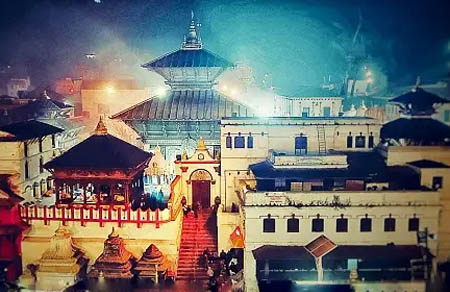
Today, Kali is worshipped across India, Nepal, and worldwide, especially during the festival of Kali Puja (often coinciding with Diwali). Her most famous temples include:
- Dakshineswar Kali Temple, Kolkata — Where Sri Ramakrishna worshipped
- Kalighat Temple, Kolkata — One of the 51 Shakti Peethas
- Kankalitala, West Bengal — Another important Shakti Peetha
- Dakshinkali Temple, Kathmandu — Associated with Kali's presence
Frequently Asked Questions
No. Kali is a goddess, the fierce form of the Divine Mother who destroys evil and protects devotees.
It represents her shame after stepping on Lord Shiva, and also symbolizes the consumption of all shame and embarrassment.
The 50 skulls represent the 50 letters of the Sanskrit alphabet, symbolizing knowledge.
Kali Puja is celebrated on the new moon night of the Hindu month of Kartik (October/November), coinciding with Diwali in West Bengal and Nepal.