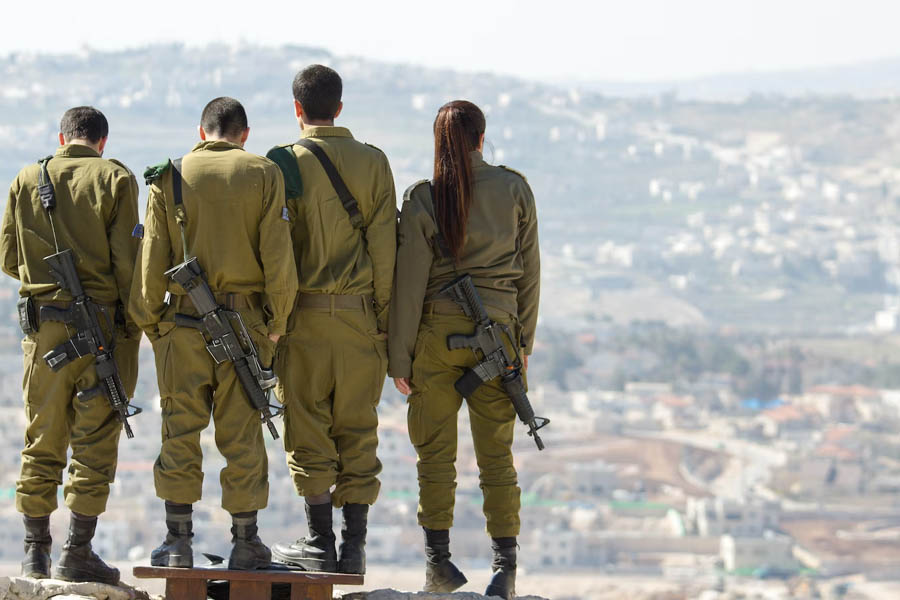
Israel-Hamas Conflict Threatens Middle East Regional Stability: Global Ramifications and US Policy Challenges
Israel's conflict with Hamas has evolved into a protracted and complex struggle, raising concerns about its potential to escalate across the Middle East, disrupt global trade, and entangle the United States. This conflict, deemed one of the most significant geopolitical events of the century, has witnessed a series of dramatic events since a Hamas attack on October 7 triggered Israeli military retaliation. The war has now entered its fourth month with no end in sight, as Israeli forces continue ground operations in Gaza while facing escalating threats on multiple fronts.
Humanitarian Crisis and U.S. Involvement
With more than 23,000 Palestinians killed, predominantly women and children, and extensive damage to Gaza's infrastructure — including over 60% of homes damaged or destroyed — the conflict has prompted U.S. intervention to support Israel. The Biden administration has provided over $10 billion in military aid and supplies, while also pressing Israel to reduce civilian casualties. This engagement, however, has sparked domestic protests, influencing U.S. politics and impacting President Biden's foreign-policy agenda ahead of the 2024 election. Polls show growing frustration among young and Arab-American voters in key swing states like Michigan, potentially affecting Biden's re-election prospects.
Strategic Repercussions and Regional Dynamics
The Gaza conflict has compelled a reevaluation of U.S. priorities in the Middle East, disrupting diplomatic and military efforts directed at countering China and aiding Ukraine against Russia's invasion. Additionally, tensions arising from the conflict have strained U.S.-backed normalization talks between Israel and Saudi Arabia, with uncertain prospects for their resumption. Saudi Arabia has frozen negotiations, demanding a credible path to a Palestinian state before any normalization agreement — a significant shift from pre-October positions. The conflict has also reinvigorated Iran's "Axis of Resistance," with Hezbollah and Houthi forces stepping up attacks on Israeli and Western targets.
Challenges to Diplomacy
The Israeli-Palestinian conflict, often sidelined by the international community, has now taken center stage in global diplomacy. However, the path to a two-state solution seems more uncertain than ever. The timing and manner of Israel's decision to end the war are crucial, affecting multiple fronts and long-term security considerations. Israeli leaders have vowed to continue the campaign until Hamas is dismantled, but international pressure for a ceasefire is mounting. The UN Security Council remains deadlocked, with the US vetoing resolutions and Russia and China backing ceasefire calls. European leaders have called for a two-state solution, but no concrete diplomatic initiative has emerged.
Multi-Front Engagement
Beyond the Gaza battlefield, the U.S. faces the challenge of containing Hamas's backers, particularly Iran, along with its allies such as Hezbollah and the Houthis. The fragile peace process in Yemen, brokered by the U.S., is at risk, as evidenced by recent strikes against Houthi targets following attacks on Red Sea shipping. Hezbollah has engaged in daily cross-border fire with Israeli forces, displacing over 80,000 Israelis from northern communities and raising fears of a second full-scale war. Iranian-backed militias in Iraq and Syria have launched over 130 drone and rocket attacks on US military bases in the region, leading to US retaliatory strikes and the deaths of three US service members in Jordan.
Global Impact: Red Sea Crisis and Trade Disruption
Houthi attacks on commercial shipping in the Red Sea have forced major shipping companies to reroute around Africa, adding 10-14 days to voyage times and increasing costs. Insurance premiums have skyrocketed, and global trade disruptions are beginning to affect supply chains, raising fears of renewed inflation. The US and UK have conducted multiple airstrikes against Houthi targets, but the group has vowed to continue attacks until Israel halts its Gaza operations. The crisis has become a major test of the international community's ability to protect global maritime commerce.
Widespread Protests and Legal Maneuvering
The conflict has stirred protests worldwide, leading to tensions in academic institutions and legal arenas. International accusations and counter-accusations, including South Africa's claim of Israeli genocide at the International Court of Justice (ICJ) and Israel's legal case against Hamas, add complexity to an already intricate situation. The ICJ is considering whether to issue provisional measures, including a ceasefire order. Meanwhile, the International Criminal Court (ICC) is investigating alleged war crimes by both sides, though Israel does not recognize ICC jurisdiction.
Military Limitations and Hamas Resilience
While Israel has inflicted significant damage on Hamas, achieving stated goals remains elusive. The conflict's prolonged duration has exposed the limits of Israeli military capabilities and Hamas's sophisticated defense network, including hundreds of miles of tunnels and an estimated 30,000 fighters. The shifting dynamics of the conflict underscore the challenges Israel faces in accomplishing its objectives. Only an estimated 20-30% of Hamas fighters have been killed, and the group continues to launch rockets at Israeli cities and ambush Israeli forces in Gaza.
Geopolitical Implications and Power Shifts
The conflict's broader impact is evident in the U.S. military involvement, global power dynamics, and strained relations with Arab nations. U.S. support for Israel has faced criticism, affecting its standing in the Global South and providing strategic advantages to China and Russia. China has positioned itself as a mediator, hosting Palestinian factions and calling for an international peace conference. Russia has also sought to leverage the conflict to divert Western attention from Ukraine. As the conflict enters a critical phase, the Israel-Hamas war poses significant challenges to regional stability, global diplomacy, and the U.S. foreign-policy agenda. The world watches closely as the conflict's resolution will shape the future of the Middle East and influence global dynamics.
Related Coverage: For ongoing updates on the Gaza war and regional dynamics, visit our Middle East Breaking News page and Israel-Gaza War Hub.
Global Post Headline — independent Middle East and geopolitical coverage. globalpostheadline.com | Follow live: middle-east-breaking.php