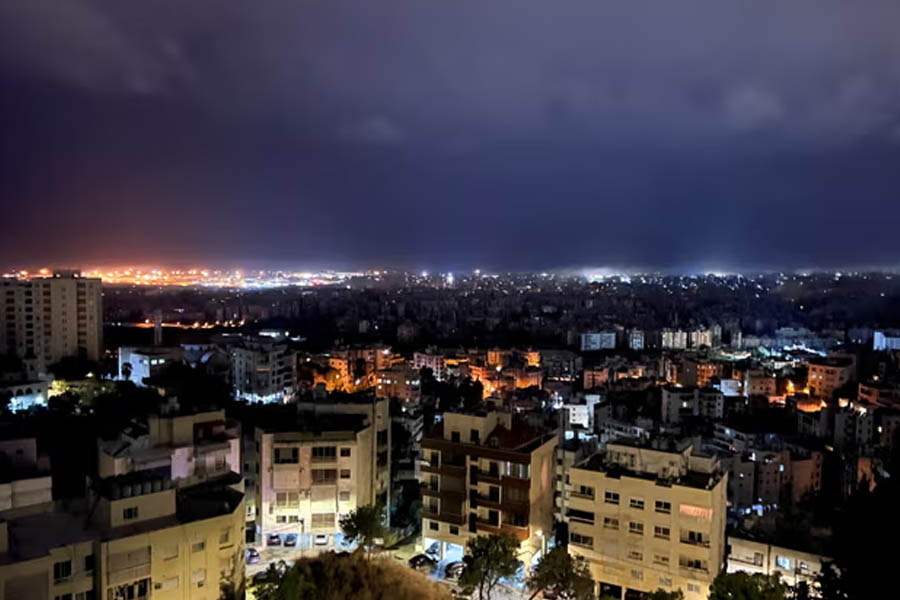
Historic Ceasefire: Israel-Hezbollah Truce Brings Hope Amid Uncertainty — 60-Day Deal Analysis
It is now past 4am local time in Tel Aviv and Beirut. That means the 60-day ceasefire agreement between Israel and Hezbollah is now in force, offering a brief respite after a year of devastating conflict that has claimed thousands of lives and displaced hundreds of thousands. The truce, brokered by the United States and France with UN mediation, represents the first significant diplomatic breakthrough on Israel's northern front since hostilities erupted in October 2023.
A Midnight Miracle: Ceasefire Officially Takes Effect
In the still hours of the early morning, a fragile peace has descended over a region scarred by 14 months of relentless conflict. At 4:00 AM local time (2:00 GMT), the 60-day ceasefire between Israel and Hezbollah officially came into effect. This agreement, brokered by international mediators including the US, France, and the United Nations, marks a significant moment after an escalation of violence that has devastated southern Lebanon and northern Israel. US President Joe Biden called it a "historic" achievement, hailing the deal as a major step toward long-term stability in the Middle East, while cautioning that challenges remain. French President Emmanuel Macron echoed the sentiment, stating that the agreement "opens a path for de-escalation across the region."
Terms of the Ceasefire: A Delicate Balancing Act
The agreement outlines a 60-day roadmap: Israel will withdraw its military forces from southern Lebanon, while Hezbollah must relocate its heavy weapons north of the Litani River. A UN-monitored buffer zone, patrolled by the Lebanese Army and UNIFIL peacekeepers, will fill the void. This delicate balancing act aims to prevent further escalation, though the terms remain a point of contention. The deal effectively revives UN Security Council Resolution 1701, which ended the 2006 Israel-Hezbollah war but was never fully implemented. Under the new agreement, the Lebanese military — backed by international monitoring — will deploy approximately 10,000 troops to the border region to ensure compliance.
Voices of Optimism and Caution
Around the world, leaders have cautiously welcomed the truce. Germany's Foreign Minister Annalena Baerbock called it "a ray of hope for the entire region," while France's Emmanuel Macron suggested it could "open the path" for resolving the Gaza conflict. However, voices of caution abound. UN Special Coordinator Jeanine Hennis-Plasschaert emphasized the need for continued vigilance, warning, "Nothing less than full and unwavering commitment is required from all sides to avoid backsliding into violence." Israeli Prime Minister Benjamin Netanyahu emphasized Israel's right to act militarily if the ceasefire is violated, stating that Israel retains "complete military freedom of action." This raises concerns about whether the truce can hold, given the deep mistrust between both parties and the region's volatility.
What Does This Mean for Gaza?
While the ceasefire in Lebanon offers a glimmer of hope, the question of Gaza looms large. Despite efforts to tie the Lebanon ceasefire to a broader peace in the region, Hezbollah has dropped its demand to link the two conflicts. The Gaza Strip remains locked in a brutal war with no immediate truce in sight, as Israel continues its military operations to dismantle Hamas. Resettling or annexing parts of Gaza has been hinted at by senior Israeli officials, though such moves would likely ignite international outrage. For now, the focus remains on enforcing the Lebanon ceasefire—and whether its success could pave the way for broader peace or spark renewed conflict if Hezbollah redirects its focus to Gaza solidarity attacks.
Drama in the Final Hours
The path to peace was anything but smooth. In the tense hours leading up to the ceasefire, Israeli jets roared over Beirut, targeting Hezbollah positions in the southern suburbs. Hezbollah retaliated by launching drones toward Tel Aviv, escalating the conflict to the brink just moments before the truce took effect. This final flashpoint underscored the volatility of the situation, with both sides on edge. Despite the tension, a cautious calm settled over Beirut and Tel Aviv as the clock struck 4am. In parts of Beirut, celebratory gunfire echoed through the streets, while Israeli border residents remained skeptical, calling the truce "a gamble with no guarantees."
Implementation Challenges
Several major hurdles remain. First, Hezbollah must verifiably move its missile and rocket arsenal — estimated at over 150,000 projectiles — north of the Litani River, a distance of approximately 30 km from the Israeli border. Second, the Lebanese Armed Forces, weakened by the country's economic collapse, must deploy sufficient troops to police the buffer zone. Third, UNIFIL's mandate must be strengthened to allow for effective monitoring without Hezbollah interference. Fourth, Israel has reserved the right to strike preemptively if it detects imminent threats — language that critics say could become a loophole for resuming hostilities. The coming weeks will test whether these challenges can be overcome.
Regional Implications
The Lebanon ceasefire could have ripple effects across the Middle East. It reduces the risk of a wider regional war that could have drawn in Iran directly and potentially the United States. It may also pressure Hamas to reconsider its negotiating position in Gaza, though Israeli officials caution against linking the two fronts. The deal represents a significant diplomatic victory for the Biden administration weeks before the US presidential election, demonstrating Washington's ability to broker ceasefires even as it continues to support Israel militarily. For Iran, the ceasefire prevents its most important proxy from being decimated, preserving Hezbollah's deterrent capacity for future conflicts.
A Flicker of Hope in the Darkness
The Middle East remains on edge, with the ceasefire offering a sliver of hope in a region torn apart by decades of war. Whether this truce marks the beginning of lasting peace or merely a temporary halt to hostilities is a question only time will answer. What is certain is that the fragile nature of this agreement calls for continued international pressure to ensure its success. For the people of Lebanon and Israel, the next 60 days will be critical. For the rest of the world, it's a reminder that diplomacy, however fragile, still holds the power to save lives in a conflict-ridden world.
Related Coverage: For ongoing updates on the Middle East crisis, visit our Middle East Breaking News page and Israel-Gaza War Hub.
Global Post Headline — independent Middle East coverage. globalpostheadline.com | Follow live: middle-east-breaking.php