Nepal Floods: Death Toll Reaches 228, 25 Still Missing, 158 Injured Amid New Rainfall Alert
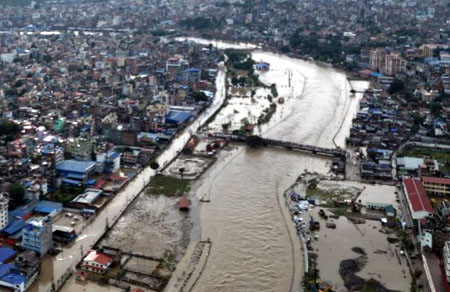
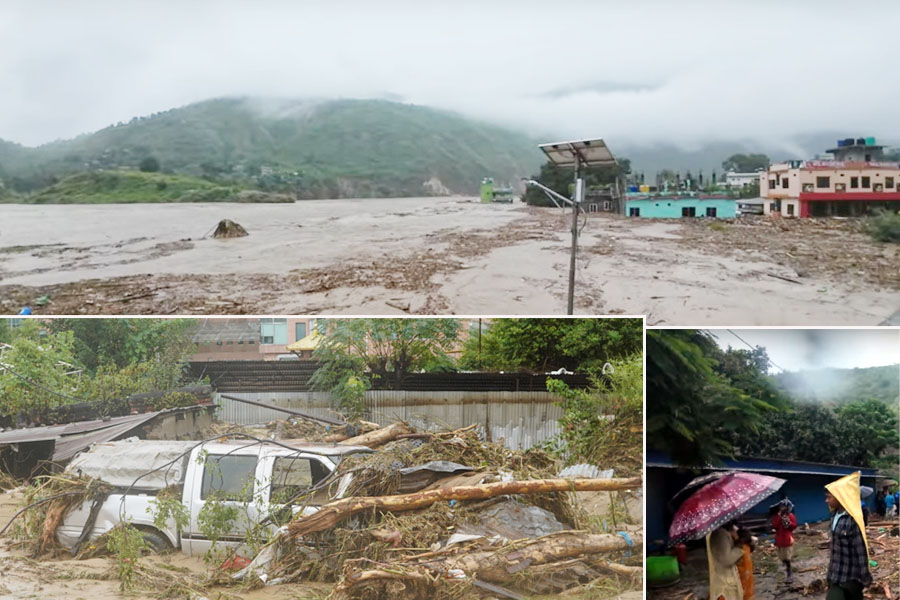
Nepal is grappling with a devastating flood crisis that has claimed the lives of 228 people, with 25 still missing and another 158 injured. The tragedy has unfolded across 22 districts, including Kathmandu, Lalitpur, and Bhaktapur, wreaking havoc on communities and leaving thousands in need of urgent aid. As the government scrambles to provide relief, new weather alerts signal further rain, raising fears of additional destruction.
A Country in Mourning: Lives Lost and Damage Counted
According to the Ministry of Home Affairs spokesperson, Rishiram Tiwari, over 13,000 people have been rescued from the flood-hit regions, but the death toll continues to rise. The hardest-hit areas include Kavre, where 65 lives were lost, Lalitpur with 40 fatalities, and Dhading with 39. In Kathmandu alone, 17 people perished, while other districts such as Sindhupalchok, Makwanpur, and Panchthar also recorded casualties. In total, the police report lists 27 people still unaccounted for, adding to the nation's anxiety.
Preliminary estimates suggest more than NPR 17 billion worth of infrastructure and agricultural damage has been inflicted. Water supply systems, roads, and bridges—essential lifelines for remote communities—have been severely damaged, with the BP Highway rendered impassable. The damage is particularly pronounced on the Nepalthok-Dhulikhel stretch, which has been washed away.
Illegal Stone Quarrying and Human Arbitrariness: A Preventable Disaster?
In Panauti Municipality, the devastation has been worsened by unchecked illegal stone quarrying along the Roshi River. Residents have accused local administrations of negligence, allowing crusher industries to destabilize riverbanks, which ultimately led to the catastrophic floods. Around 700 families, particularly in Ward No. 12, are now homeless, with many living in temporary shelters after their homes were engulfed by the floodwaters.
For residents like Sweete Tamang, the flood represents not just a natural disaster but a human-made catastrophe that could have been prevented. "The river was bound to overflow," she shared, "but no one acted when the warnings came. Now, we have nothing left." Her words reflect the frustration of a community that feels abandoned by the authorities.
Government Efforts: High Alerts and Criticism
Amidst rising concerns about another bout of heavy rainfall, Home Minister Ramesh Lekhak has ordered all security agencies and local authorities to remain on high alert, particularly in Koshi and Bagmati provinces. Meteorological forecasts predict more rain, which could trigger further landslides and flooding. However, the minister's office has come under fire for its lack of coordination during the initial floods. Critics argue that despite early weather alerts, the government failed to mobilize rescue operations effectively, leading to preventable loss of life.
Hope Amidst Devastation: The Road to Recovery
As rescue efforts continue, there are small glimmers of hope. Temporary shelters and relief supplies are being distributed to affected families, with the government ensuring free medical treatment for the injured. However, the scale of the destruction requires more than immediate relief; long-term rehabilitation plans are crucial to restoring livelihoods and infrastructure.
Chief Secretary Ek Narayan Aryal has promised that the government will expedite relief efforts and allow those displaced to build temporary housing in designated areas. With agriculture, energy, and livestock sectors suffering billions in damages, a comprehensive rehabilitation strategy is needed to bring the country back from the brink.
For now, Nepal remains in crisis mode. The coming days will test the resilience of its people and the effectiveness of its disaster management strategies. As more rain looms on the horizon, the nation must brace for the possibility of further devastation—but also hold on to the hope of recovery.
Global Post Headline — Independent disaster and emergency coverage from Nepal. globalpostheadline.com