Nepal's Churpi Exports Reach New Heights: Rs 1.15 Billion in 4 Months
Nepal's churpi industry is making remarkable strides in the international market, with exports reaching an impressive Rs 1.15 billion in the first four months of the current fiscal year. This achievement highlights the growing global demand for this traditional Himalayan product, often referred to as one of the hardest cheeses in the world.
Export Figures and Market Dynamics
In the first four months, Nepal exported 621,747 kg of churpi to countries across the globe. The United States emerged as the dominant market, accounting for approximately 90% of total exports. Specifically, 552,048 kg of churpi worth Rs 1.22 billion were shipped to the US alone. Canada followed as the second-largest importer, with 32,405 kg valued at Rs 77.297 million.
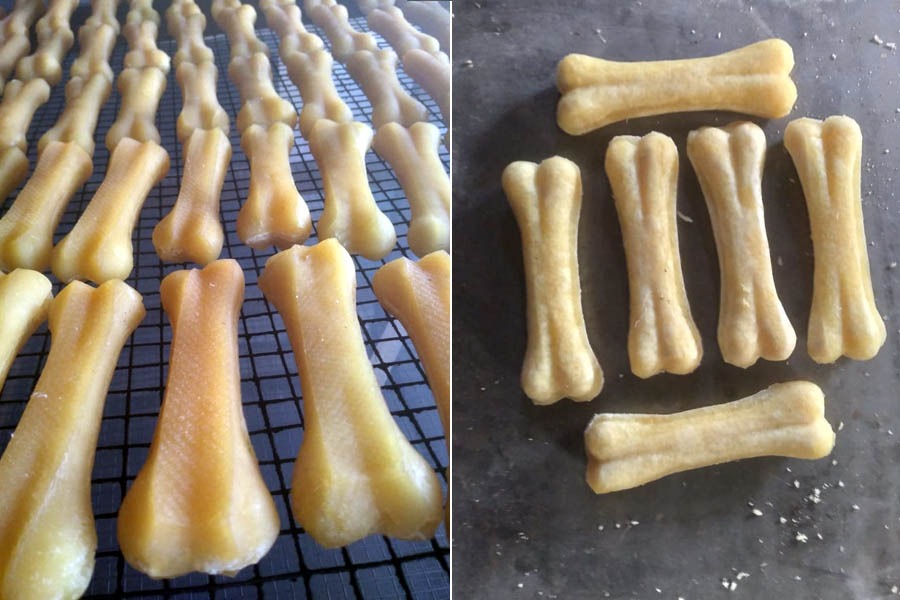
The list of export destinations extends beyond North America, including Brazil, China, Greece, Japan, South Korea, Malaysia, Singapore, the United Kingdom, and Ukraine. Despite this diversification, the US remains the most lucrative market, reflecting its insatiable demand for churpi, primarily as a pet chew product.
Challenges in Domestic and Cross-Border Trade
While churpi exports flourish internationally, challenges persist in the domestic and neighboring markets. Rajkumar Dahal, President of the Nepal Dairy Industry Association, notes that although much of the churpi produced in eastern Nepal flows into India, it often bypasses formal trade channels due to the open border. This lack of regulation prevents Nepali brands from capitalizing on their own products in the Indian market.
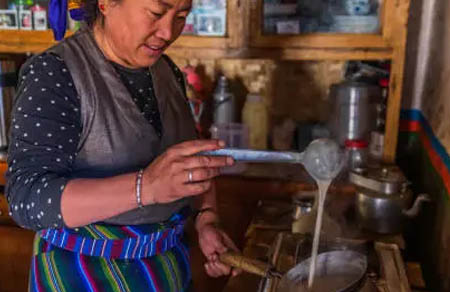
Infrastructure limitations and a lack of standardized production methods further complicate the situation. Most churpi is still produced traditionally in households, particularly in regions like Sindhupalchok, Panchthar and Ilam. While exporters collect and modify the product for global markets, the absence of large-scale, systematic production facilities limits scalability.
Rising Global Demand and Production Trends
The international appetite for churpi, especially as a dog chew, has spurred an increase in production. Entrepreneurs like Krishna Dangal of Rajesh Dairy Industries Pvt. Ltd. from Sindhupalchok-Chautara have ramped up efforts to meet demand. Rajesh Dairy exports approximately 10,000 kg of churpi monthly, sourcing from both his own production and local dairies. "The market for churpi is excellent, but quality production and supply remain a challenge," Dangal said. He emphasized that 20 to 22 liters of milk are required to produce just 1 kg of churpi, making it a labor-intensive process that also benefits local farmers.
Historical Export Performance
Data from the Department of Customs reveals a consistent upward trajectory in churpi exports over the years. In fiscal year 2076/77, Nepal exported 717,264 kg worth Rs 1.228 billion, with the US receiving 624,353 kg. By 2079/80, exports had surged to 1.786 billion kg valued at Rs 3.49 billion, underscoring the industry's rapid growth.
Government and Industry Initiatives
Recognizing the potential of the churpi industry, the Dairy Development Corporation (DDC) has taken steps to support its expansion. Recently, DDC signed an agreement with Manram Himalayan Handicraft Pvt. Ltd. to supply 10,000 liters of milk daily for churpi production. This initiative aims to create a market worth Rs 700,000 daily and reduce surplus stock in DDC's warehouses.
Future Prospects
The churpi industry's success highlights its potential as a cornerstone of Nepal's agricultural export sector. With increasing global demand, particularly from the US and Canada, and efforts to formalize production and quality standards, the industry is poised for sustained growth. Investments in infrastructure, technology, and branding could further elevate Nepal's standing as a leading exporter of this unique Himalayan delicacy.
❓ Frequently Asked Questions About Churpi
Global Post Headline — Independent trade and export coverage from Nepal. globalpostheadline.com