Violence Erupts in New Caledonia as Debate Over Voting Reforms Escalates — Indigenous Kanak Leaders Warn of Democracy at Risk
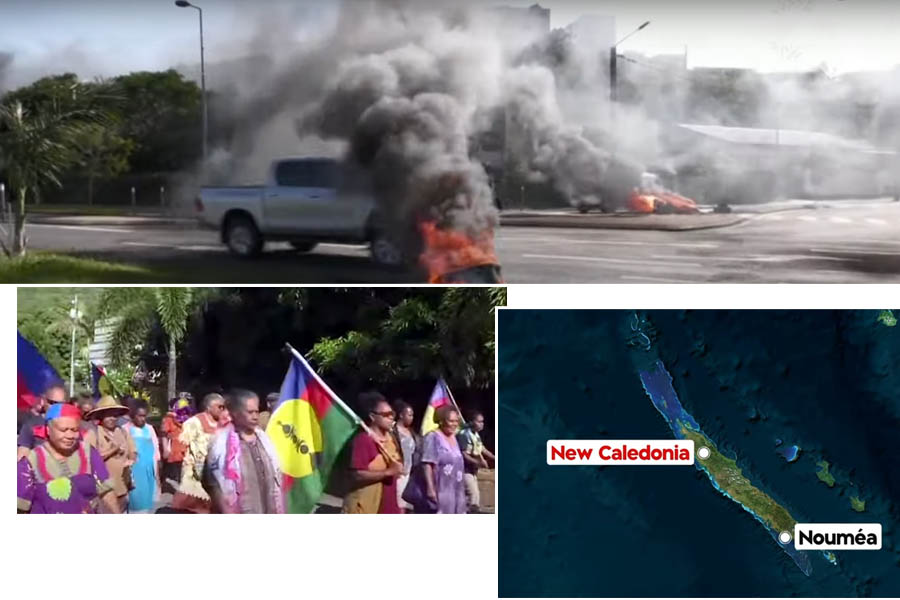
Nouméa, New Caledonia – Amidst escalating tensions, the French Pacific territory of New Caledonia finds itself in the grip of unrest as protests against proposed voting reforms turn violent. The picturesque capital, Nouméa, has witnessed fierce clashes between demonstrators and security forces, prompting authorities to impose a curfew and ban public gatherings. The unrest, which has left dozens injured and caused extensive property damage, represents the most serious civil disturbance in the territory since the independence referendums of 2018-2021.
The catalyst for this turmoil stems from a contentious proposal by the French government to expand the territory's voter roll, extending eligibility to include French nationals who have resided on the island for over a decade. This move, scheduled for debate in the French National Assembly, has ignited a firestorm of opposition, particularly among leaders of the Indigenous Kanak population, who view it as a direct threat to their political influence and a betrayal of the 1998 Nouméa Accord.
🔥 The Violence: Burning Cars, Looted Shops, and Hostages
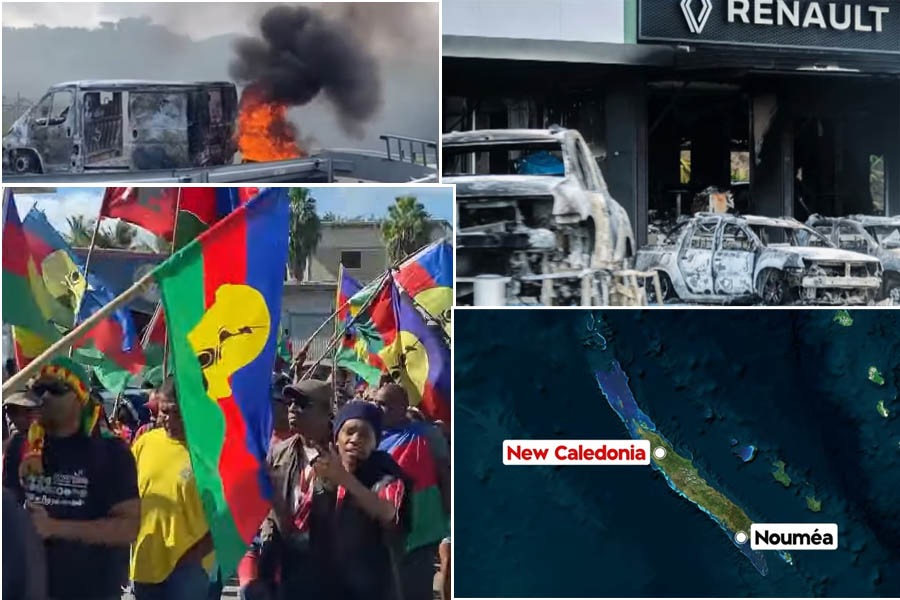
The protests, which had been simmering for weeks, erupted into widespread violence over the weekend. Reports from Nouméa describe burning cars blocking major intersections, looted supermarkets, and running battles between protesters armed with makeshift weapons and riot police deploying tear gas and rubber bullets. The situation escalated to the extent that staff at a prison in Nouméa were briefly held hostage before being released unharmed. Schools in affected areas have been shuttered indefinitely, and the international airport has warned of potential flight disruptions.
French High Commissioner Louis Le Franc declared a state of emergency in the territory, deploying additional gendarmes and imposing a nightly curfew from 8 PM to 6 AM. "The violence is unacceptable. Those responsible will be prosecuted to the fullest extent of the law," Le Franc said in a televised address. However, Kanak leaders accuse French authorities of heavy-handed tactics, alleging that peaceful protesters have been targeted alongside rioters.
📜 The Nouméa Accord: A Fragile Peace Under Threat
At the heart of the issue lies the delicate balance of power and representation in New Caledonia — a balance painstakingly negotiated in the 1998 Nouméa Accord. The proposed reforms aim to broaden the electorate in provincial elections, potentially diluting the political sway of the Indigenous Kanak, who make up approximately 41% of the territory's 270,000 residents. For decades, electoral rolls have remained frozen under the Accord, which sought to empower the Kanak community by excluding recent arrivals from voting in provincial elections.
The Accord was designed to provide a path toward gradual autonomy and, potentially, independence. Three referendums were held between 2018 and 2021, all resulting in votes to remain part of France — though the final vote was boycotted by pro-independence parties following the COVID-19 pandemic. The current French government, led by President Emmanuel Macron, has argued that the decolonization process is now complete and that electoral restrictions should be lifted to allow all long-term residents to vote.
⚖️ Two Visions: Democracy vs. Indigenous Rights
The prospect of unfreezing these electoral rolls has sparked fervent debate and polarized opinions. Proponents of the reform — primarily loyalist parties representing the European-descended population and recent migrants — argue that it is a matter of democratic rights, advocating for inclusion and representation for all residents, regardless of their origin. They contend that denying voting rights based on the timing of one's arrival in the territory undermines the principles of equality and citizenship that underpin the French Republic.
"We have lived here for 20, 30 years. We pay taxes, we raise our children here. To be told we cannot vote on the future of our home is an insult to democracy," said Marie-Claude Tjibaou, a Nouméa resident and supporter of the reforms.
Conversely, opponents, particularly Indigenous Kanak leaders, express deep-seated concerns about the potential erosion of their political voice. They fear that an influx of French nationals, who may not have the same cultural and historical ties to the territory, could permanently tilt election outcomes away from Kanak interests and undermine hard-won gains in self-governance.
"This is not about excluding anyone. It is about protecting a people who have already been dispossessed of their land, their language, and their dignity," said Roch Wamytan, President of the Congress of New Caledonia and a prominent pro-independence leader. "The Nouméa Accord was a promise. Breaking it now is an act of betrayal."
🌊 Colonial Legacy and the Struggle for Self-Determination
The recent clashes underscore the deep divisions within New Caledonian society and the challenges inherent in navigating its complex political landscape. The territory was annexed by France in 1853 and served as a penal colony for decades. The Kanak people suffered from forced displacement, land confiscation, and cultural suppression — wounds that have not fully healed. The 1980s saw a period of violent civil conflict known as "The Events," which left dozens dead and prompted the negotiation of the Matignon Accords (1988) and ultimately the Nouméa Accord (1998).
As the French parliament prepares to deliberate on the proposed reforms, the situation remains tense, with authorities grappling to restore calm and prevent further escalation of violence. The outcome of the debate over voting reforms will not only shape the future of governance in New Caledonia but also reverberate throughout the wider Pacific region, influencing the trajectory of decolonization and indigenous rights movements in French Polynesia, Wallis and Futuna, and beyond.
🕊️ International Reactions and the Path Forward
The United Nations Committee on Decolonization has expressed concern over the escalating violence and called for dialogue between all parties. The Pacific Islands Forum, of which New Caledonia is an associate member, has urged France to respect the spirit of the Nouméa Accord. Meanwhile, the French government has dispatched a delegation of mediators to Nouméa in an attempt to break the deadlock.
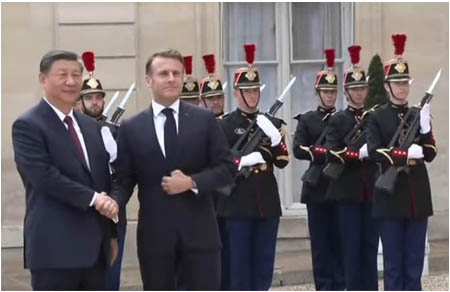
President Emmanuel Macron has called for calm, stating: "France is committed to dialogue. The future of New Caledonia will be decided by New Caledonians — but within the framework of our shared Republic." However, pro-independence leaders remain skeptical, accusing Paris of unilateralism.
The unrest in New Caledonia serves as a stark reminder of the enduring legacy of colonialism and the ongoing struggle for self-determination and autonomy in territories with diverse populations and competing interests. As the French National Assembly prepares to vote on the constitutional reform, all eyes are on Paris and Nouméa. The coming weeks will determine whether dialogue can prevail over violence — or whether the scars of the past will be reopened once again.
Related Coverage: For more on French overseas territories and Pacific politics, visit Macron-Xi State Visit and France Migrant Settlement Ahead of Olympics.
Global Post Headline — independent coverage of Pacific politics and international affairs. globalpostheadline.com | Follow updates: International News
Authentic Nepali crafts, pashmina, singing bowls — worldwide shipping.