Nepal's Thrilling Flood Aftermath: Day 1 of Devastating Rainfall – Finding Hope in Crisis
After days of relentless rainfall that battered the entire nation, leaving a trail of devastation, Nepal finds itself cautiously stepping into a moment of calm. The skies cleared up on the first day after the deluge, providing a brief respite to the country, but the damage left in its wake continues to disrupt life, and the looming threat of further weather crises keeps tension high across the nation.
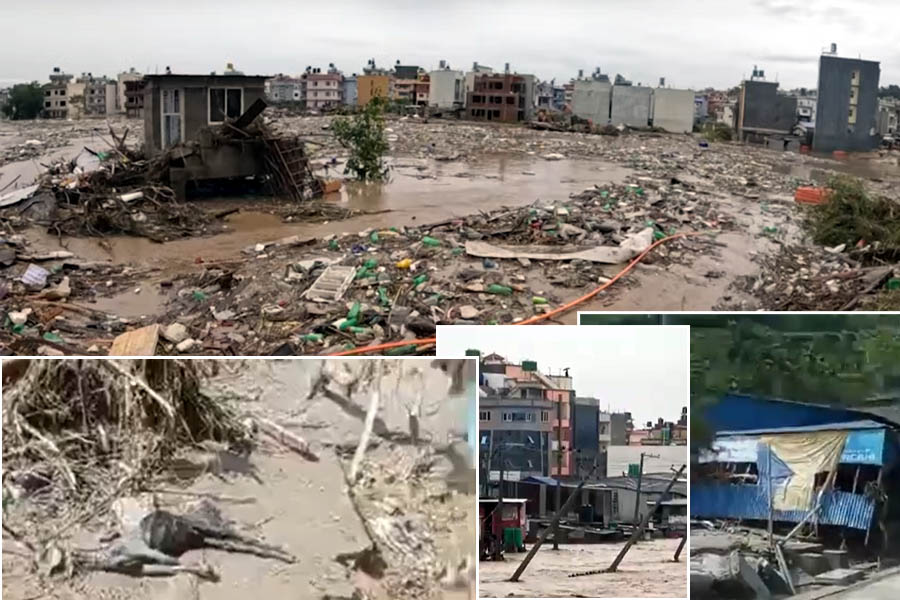
The air smells fresh and clean, but there's an unsettling quiet beneath the beauty of a cleared sky. Across the country, from Kathmandu to the remote hillsides, people are witnessing the aftermath: landslides, washed-out roads, missing vehicles, disrupted trade routes, and families mourning their lost loved ones. Here are stories from Day One of the heavy rainfall aftermath in Nepal.
Kathmandu's Border Crossings Remain Blocked: A Capital Under Siege
Kathmandu, the bustling heart of Nepal, has turned eerily quiet. For the third day in a row, the roads leading in and out of the capital remain blocked. The heavy rainfall triggered landslides across major routes like Nagdhunga, the gateway to Kathmandu from the west. According to the Kathmandu Valley Traffic Police, multiple vehicles were buried in the Jhaple River after a massive landslide swept through, claiming at least 14 lives. Search efforts are underway to retrieve more bodies as rescuers painstakingly clear the debris.
The damage doesn't end there. The Hetaunda-Kathmandu route, critical for communication and trade, is cut off entirely. Vehicles haven't left the valley for three days, and while a few routes northward remain open, authorities have restricted access to only essential vehicles. Half a dozen smaller roads connecting the capital have also been blocked, leading to food and supply shortages.
Kalimati Market: Vegetable Prices Skyrocket Amid Crisis
The aftermath of the rainfall is not only felt in damaged infrastructure but also at the local markets. At Kathmandu's Kalimati wholesale market, the economic toll of the floods is immediate and devastating. Vegetable prices have doubled, with small gourds, parsley, and mustard greens skyrocketing. A kilogram of Indian onions, a staple in Nepali households, now costs over NPR 120, marking a sharp increase.
Iskus (chayote) price jumped from NPR 30 to NPR 60 per kilogram. With highways closed, traders can't bring fresh produce into the capital. This marks a worrying trend in food inflation that could spiral if weather doesn't stabilize.
The Missing Bus: Two Days Without Contact from Gorkha
A bus bound from Gorkha to Kathmandu has been missing for two days, leaving families anxiously awaiting news. The bus, carrying passengers from Dharche Rural Municipality, last made contact near Khanikhola. Since then, all communication has been lost. Rescue operations are underway, but hopes are fading as roads to Gorkha remain treacherous.
Government Orders Schools to Shut Down Amid Crisis
Nepal's government has ordered a three-day closure of schools, citing safety concerns. Buildings have been damaged, and many students live in areas heavily impacted by floods and landslides. An emergency meeting led by Acting Prime Minister Prakashman Singh suspended exams across all educational institutions, a move that affects over 8 million students nationwide.
Bodies Found in the Jhaple River: Grief Mounts
Tragedy struck in the Jhaple River, where three more bodies were found, bringing the death toll from a landslide to 17. Search and rescue efforts revealed that one of the bodies might be linked to the missing Gorkha-Kathmandu bus. While the Nepali Army and Armed Police have been leading the rescue efforts, the sheer scale of destruction has slowed progress.
Landslides at Upper Tamakoshi: Four Workers Still Missing
At the 456 MW Upper Tamakoshi Hydropower project, a massive landslide buried four workers. Two were Nepali Army personnel, while the others were contractors working at the site. A landslide destroyed a two-story building near the project, and the rescue team has been unable to reach the site due to treacherous conditions. The project, one of Nepal's largest, is critical for the country's energy supply, with more than NPR 50 billion invested.
Saptakoshi River: Record Water Levels Spell Trouble
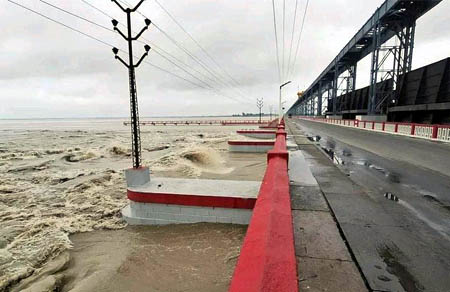
For the first time in over five decades, water levels in the Saptakoshi River surged to record highs. The Koshi Barrage recorded a water flow of 643,540 cusecs per second, triggering mass evacuations in flood-prone areas across Sunsari, Udaipur, and Saptari districts. All 56 gates of the Koshi Barrage have been opened to control the flow, but warnings remain in place for residents living along the riverbanks.
Air Travel Resumes: A Welcome Respite for Travelers
Despite the chaos on the ground, there was good news for air travelers. With the weather clearing, Tribhuvan International Airport resumed both domestic and international flights. More than 400 flights were canceled over the weekend, and the airport's general manager confirmed that services have returned to normal for now under the 'Instrument Flight Rules' system.
Prime Minister Oli Speaks from the United States
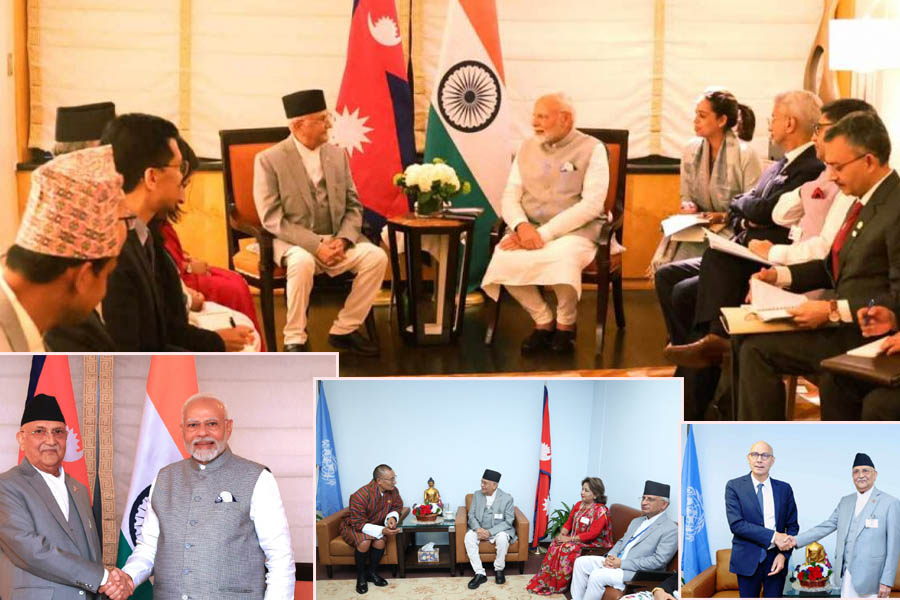
Prime Minister KP Sharma Oli, currently in the United States for the UN General Assembly, addressed the nation with a heartfelt message. Acknowledging the growing death toll of over 100 people, he expressed his sorrow and called for solidarity. "I am preparing to return home after completing the program at the United Nations General Assembly," he wrote on social media.
A Nation in Recovery, But Not Out of Danger
As Day One of the aftermath progresses, the nation takes a deep breath, but the dangers of the weather crisis loom large. The heavy rainfall may have stopped for now, but the ground remains unstable, the rivers continue to swell, and the threat of further landslides persists. With lives lost, infrastructure destroyed, and the economy reeling from the disruption, the road to recovery will be long and uncertain. However, the resilience of the Nepali people is unmatched, and as always, they will come together to rebuild.
Global Post Headline — Independent disaster and emergency coverage from Nepal. globalpostheadline.com