Civil Unrest in New Caledonia: State of Emergency Declared as Deadly Riots Erupt Over Macron's Electoral Reforms
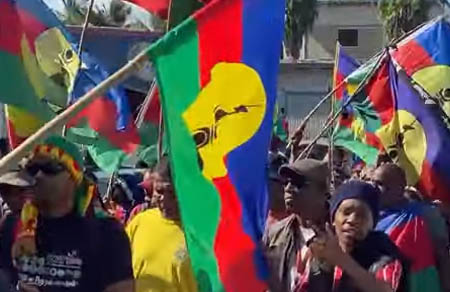
Nouméa, New Caledonia – The French-ruled Pacific territory of New Caledonia has plunged into chaos following the adoption of a controversial electoral reform bill on May 15, 2024. The bill, proposed by President Emmanuel Macron's administration, extends voting rights to recent immigrants — a move that has sparked deadly riots and prompted the French government to declare a state of emergency. At least five people have been killed, including two French military police officers, in the worst civil unrest to hit the archipelago since the 1980s.
The violence, which erupted immediately after the French National Assembly approved the constitutional reform, has seen armed clashes between protesters and security forces, arson attacks on vehicles and businesses, and the looting of shops across Nouméa, the capital. The international airport has been closed, public gatherings banned, and a nightly curfew imposed as authorities struggle to restore order.
📜 Background: A Century of Colonial Tensions
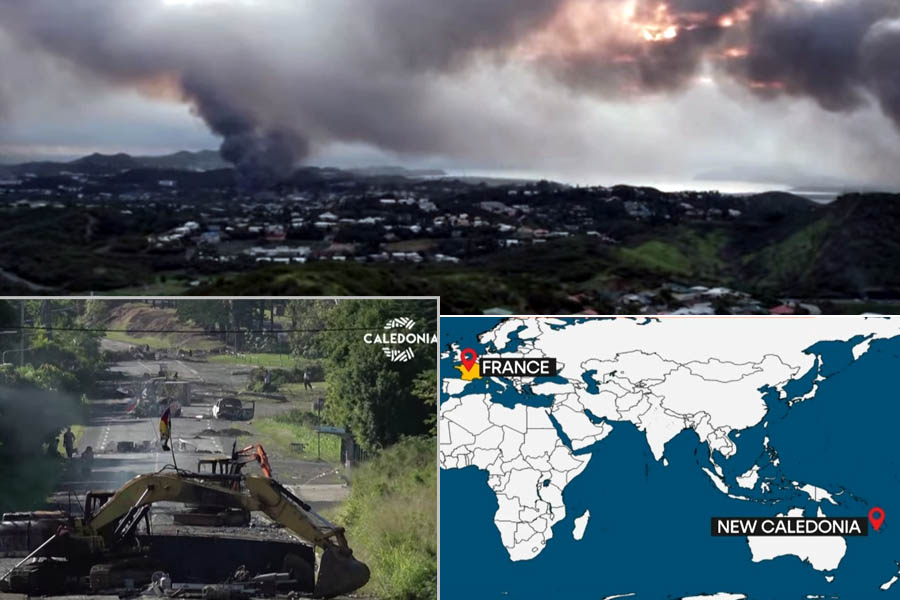
New Caledonia, located in the Pacific Ocean approximately 17,000 kilometers from Paris, has a complex colonial history with France dating back to 1853. The indigenous Kanak people, who make up about 41% of the island's population of 270,000 according to the 2019 census, have long been marginalized. Europeans and other ethnic groups, including Asians, Wallisians, and Polynesians, comprise the remaining demographic segments.
The current turmoil is rooted in New Caledonia's fraught colonial history and its ongoing struggle for self-determination. The Kanaks were only granted French citizenship in 1946 — nearly a century after colonization. The influx of settlers from France and other regions over the decades has significantly altered the island's demographic and political landscape, with the non-Kanak population now exceeding Indigenous residents.
In the 1980s, violent conflicts erupted between pro-independence Kanaks and French loyalists in a period known as "The Events," which left dozens dead and prompted the negotiation of the Matignon Accords (1988) and later the Nouméa Accord (1998). The Nouméa Accord granted the island greater autonomy and promised three referendums on independence, designed to progressively transfer power to local institutions.
⚡ The Trigger: Electoral Reform Bill
The unrest was triggered by Macron's electoral reform, which allows immigrants who moved to New Caledonia after 1998 to vote in local provincial elections. This change overturns a key agreement from the 1998 Nouméa Accord, which restricted provincial voting rights to residents established in the territory before that year. The accord was a pivotal element in the peace deal between pro-independence Kanaks and French loyalists, following decades of conflict.
The Kanaks view this reform as a deliberate attempt to dilute their political influence and weaken their push for independence. By expanding the electorate to include more recent arrivals — who are disproportionately of European or other non-Kanak backgrounds — the reform could permanently shift the balance of power away from Indigenous voters. Paris, on the other hand, argues that the previous voting restrictions were undemocratic and needed to be revised to align with French constitutional principles of universal suffrage.
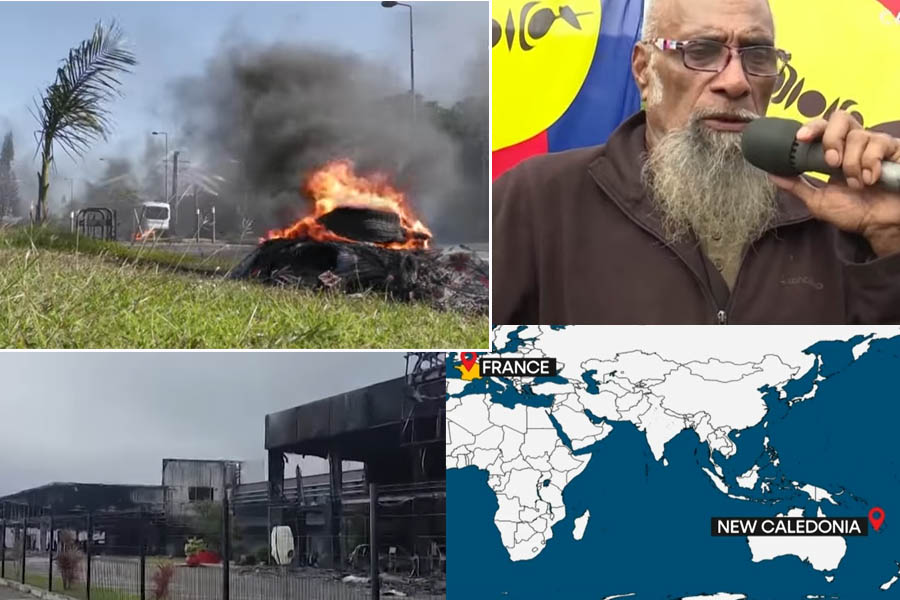
"This is a betrayal of the Nouméa Accord," declared Roch Wamytan, President of the Congress of New Caledonia and a prominent pro-independence leader. "Macron is imposing reform without consultation, without consensus. He is setting our island on fire."
🔥 Escalation: From Protests to Armed Conflict
The adoption of the reform has led to severe civil unrest. As of May 17, 2024, at least five people have been killed in clashes, including two French military police officers who were shot dead during a roadblock confrontation. Three civilians have also died. Dozens more have been injured, some critically.
The island has witnessed widespread violence, including arson attacks on hundreds of cars and buildings, looting of supermarkets and electronics stores, road barricades erected by protesters, and exchanges of gunfire between armed groups and security forces. The main highway linking Nouméa to the international airport has been blocked by burning tires and debris, stranding travelers and cutting off supplies.
In response to the escalating violence, the French government declared a state of emergency on May 16 — the first time such measures have been imposed in New Caledonia since 1985. The decree, approved by President Macron's cabinet, grants authorities enhanced search and arrest powers, allows house arrests of individuals deemed a threat, and authorizes the use of the military to support police operations. Armed forces have been deployed to key locations across the territory.
French Prime Minister Gabriel Attal announced that 1,000 additional security forces were being deployed to supplement the 1,800 already on the island. "The state is determined to restore order," Attal said. "Violence will not be tolerated. Those responsible will be prosecuted."
🛡️ Reactions: Accusations and Denials
Paris has accused the Coordination Unit for Action (CCAT), a pro-independence group, of orchestrating the riots. French Interior Minister Gérald Darmanin alleged that the CCAT was "responsible for the insurrectional situation" and announced that the group would be dissolved. The CCAT has denied these allegations, stating that it never called for violence and that peaceful protest is being conflated with criminal acts.
The island's major political party, the Kanak and Socialist National Liberation Front (FLNKS), has called for an end to the violence while demanding that the electoral reform be withdrawn. "We condemn the loss of life on all sides," said FLNKS spokesperson Victor Tutugoro. "But the solution is dialogue, not repression. Macron must rescind this reform and return to the negotiating table."
The French government has invited both pro-independence and loyalist factions to negotiations in Paris, offering to reconsider the electoral reforms if a new agreement can be reached. However, given the long-standing and deeply entrenched positions on both sides — and the current climate of violence — reaching a consensus before Macron's stated deadline of late June appears increasingly challenging.
🌏 Geopolitical Implications: Nickel and Regional Rivalry
The situation in New Caledonia is drawing international attention for more than just humanitarian reasons. The territory holds significant nickel reserves — approximately 20% of the world's known supply — which are crucial for producing electric vehicle batteries and stainless steel. Global powers, including China, are closely monitoring the developments, given the strategic importance of these resources.
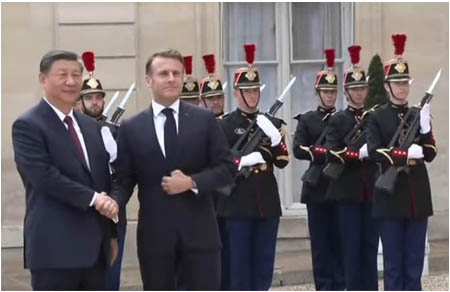
China has maintained a low public profile on the crisis but is known to have cultivated relationships with pro-independence factions. Australia and New Zealand, Pacific neighbors, have expressed concern and offered to assist with mediation. The Pacific Islands Forum, of which New Caledonia is an associate member, has called for restraint and dialogue.
"The instability in New Caledonia is not just a French domestic matter," said Dr. Tess Newton Cain, a Pacific analyst at Griffith University. "It has implications for regional security, supply chains, and the geopolitics of the Pacific. Everyone is watching."
🕊️ Path Forward: Can Dialogue Prevail?
The French government has invited both pro-independence and loyalist factions to negotiations in Paris, offering to reconsider the electoral reforms if a new agreement can be reached. However, given the long-standing and deeply entrenched positions on both sides — and the current climate of violence — reaching a consensus before Macron's stated deadline of late June seems challenging.
The risk of further escalation remains high, with ethnic tensions at a dangerous peak. While some leaders have condemned the violence and are calling for dialogue, others have threatened continued resistance if the reform is not withdrawn. The coming days will be critical in determining whether the state of emergency can restore enough calm for meaningful negotiations to begin.
As New Caledonia burns, the ghosts of its colonial past and the hopes of its Indigenous future collide with devastating consequences. The path to lasting peace and stability remains uncertain, but one thing is clear: the status quo is no longer an option.
Related Coverage: For ongoing updates on the New Caledonia crisis, see Violence Erupts in New Caledonia Over Voting Reforms and Macron-Xi State Visit.
Global Post Headline — independent coverage of Pacific politics and international affairs. globalpostheadline.com | Follow updates: International News

Authentic Nepali crafts, pashmina, singing bowls — worldwide shipping.