In the midst of ongoing ceasefire negotiations, tensions in the Middle East have reached a critical juncture as Israel’s Prime Minister, Benjamin Netanyahu, has declared Israel’s intention to enter Rafah, a city in southern Gaza, with or without a deal. This declaration comes as a Hamas delegation reportedly leaves Cairo following talks on a potential ceasefire proposal.
Netanyahu's statement underscores the complexity of the situation, as Israel grapples with internal divisions over how to proceed. While some advocate for a ceasefire agreement, others, like far-right Interior Security Minister Itamar Ben-Gvir, favor military action in Rafah. This internal discord within Israel’s government adds another layer of uncertainty to an already volatile situation.
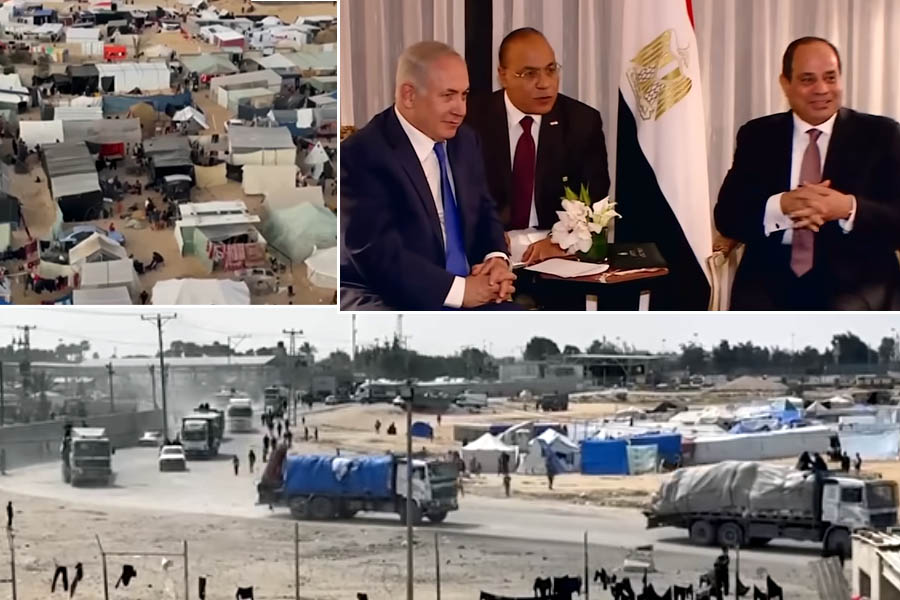
The proposed ceasefire deal, which has not been fully disclosed, reportedly involves Hamas initially releasing a number of hostages, while Israel would reciprocate by releasing Palestinian detainees. Additionally, there is a proposed 40-day ceasefire period, during which humanitarian aid would be allowed into Gaza. However, the details of these arrangements remain speculative, pending Hamas' response to the proposal.
Meanwhile, US Secretary of State Antony Blinken's diplomatic efforts in the region highlight international concern over the conflict. Blinken’s itinerary, which includes meetings with regional leaders and humanitarian aid coordinators, underscores the urgency of finding a resolution to the crisis.
However, challenges persist on multiple fronts. The Israeli military has reportedly finalized plans for a ground invasion of Rafah, yet some reserve paratroopers have refused to participate due to exhaustion from previous engagements in Gaza. This internal dissent within the military reflects broader societal fatigue with prolonged conflict and raises questions about Israel’s readiness for further military action.
On the Hamas side, there are indications of internal deliberation over the proposed ceasefire offer. While Hamas has yet to officially respond, reports suggest they are studying the proposal and considering their options. The outcome of these deliberations could determine the trajectory of the conflict in the coming days.
Amidst these developments, the specter of potential international legal ramifications looms over Israel. The United States has identified five units of the Israeli military responsible for gross violations of human rights, though it has stopped short of cutting military assistance to these units. This decision underscores the delicate balance Washington faces in maintaining its strategic alliance with Israel while addressing human rights concerns.
As tensions escalate and diplomatic efforts intensify, the situation in the Middle East remains fluid and fraught with uncertainty. The coming days will be crucial in determining whether a ceasefire agreement can be reached or if the region will descend further into violence. Ultimately, the fate of millions of civilians caught in the crossfire hangs in the balance, underscoring the urgent need for a peaceful resolution to the crisis.
Thank you for reading: globalpostheadline.com | If you want to advertise your Company, Events, Movies, Products, Hotels, Travel Packages Let us know